/hand-signals-posters · classroom
Hand signals posters: classroom signals, quiet signal, sign language words
Make your ownHand signals posters
Describe yours. We'll remake the whole pack your way.
More like this
the whole catalog →
every sample — three subjects, three styles ↓
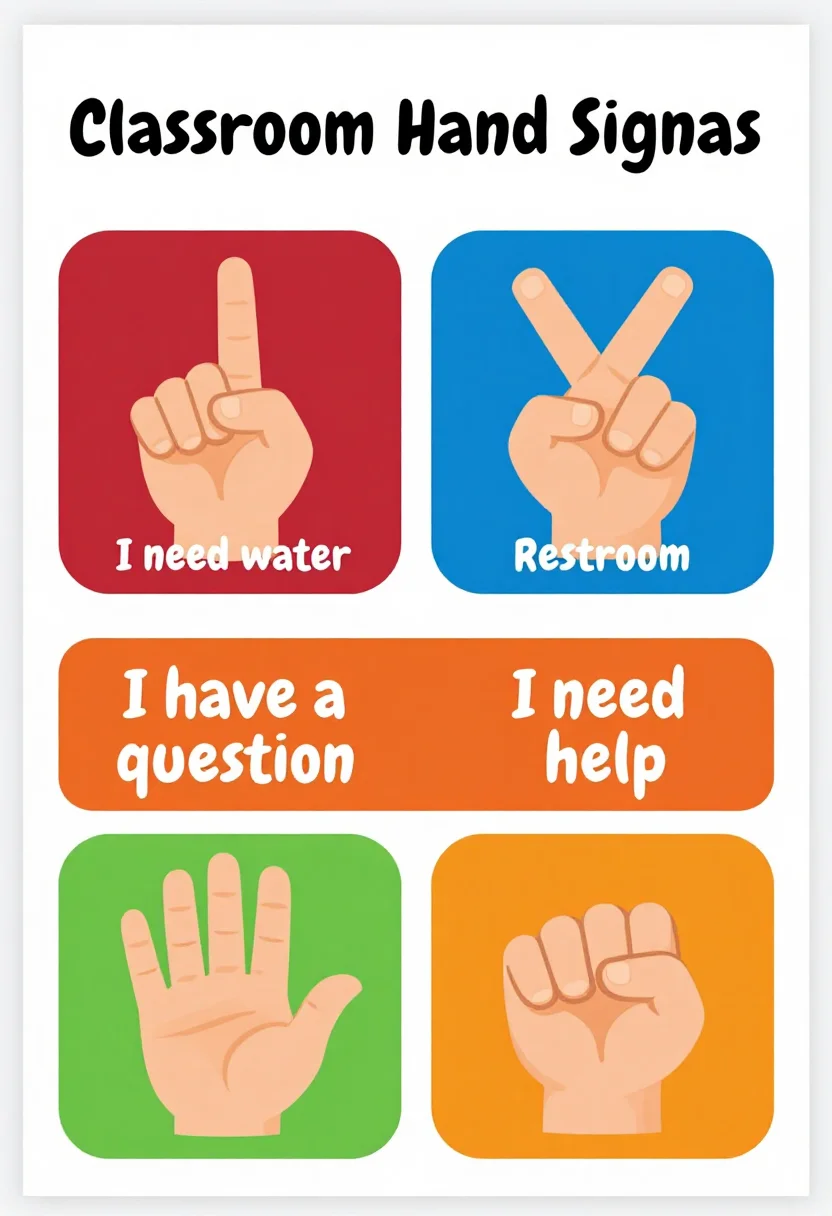
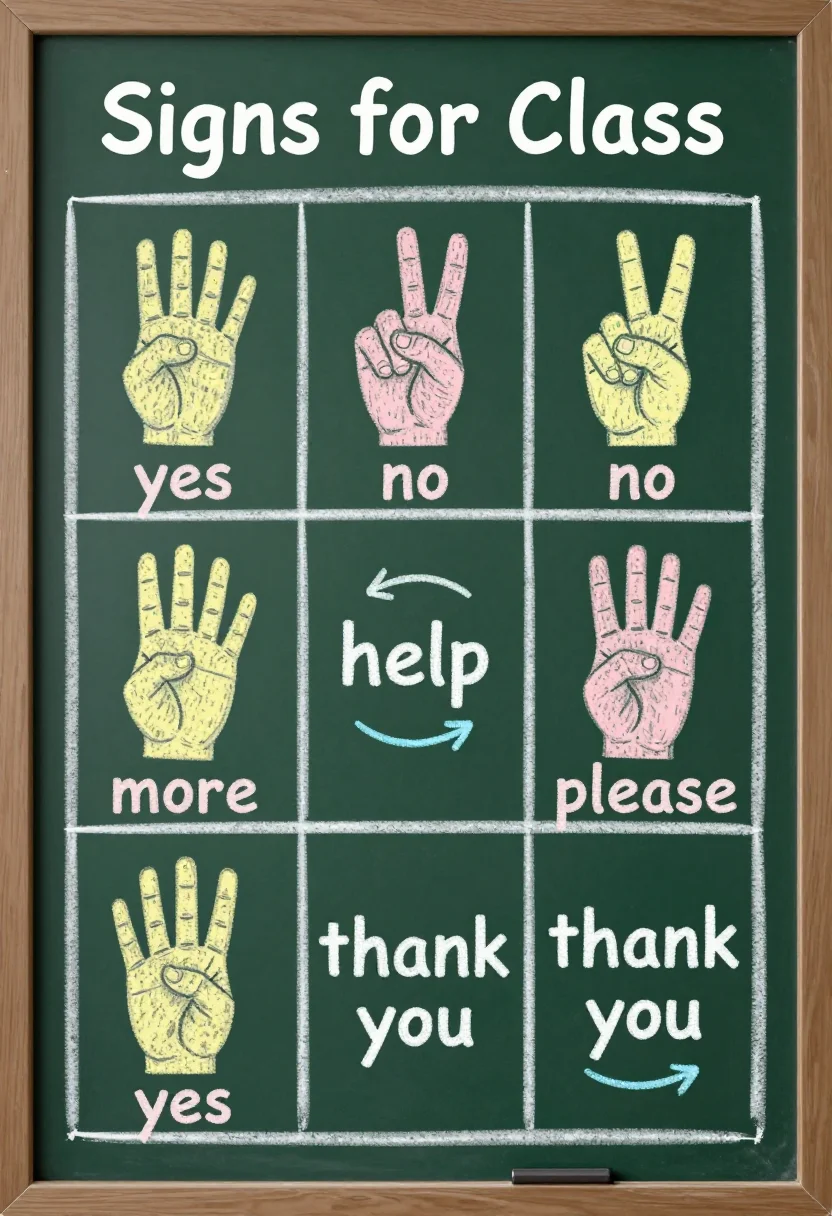
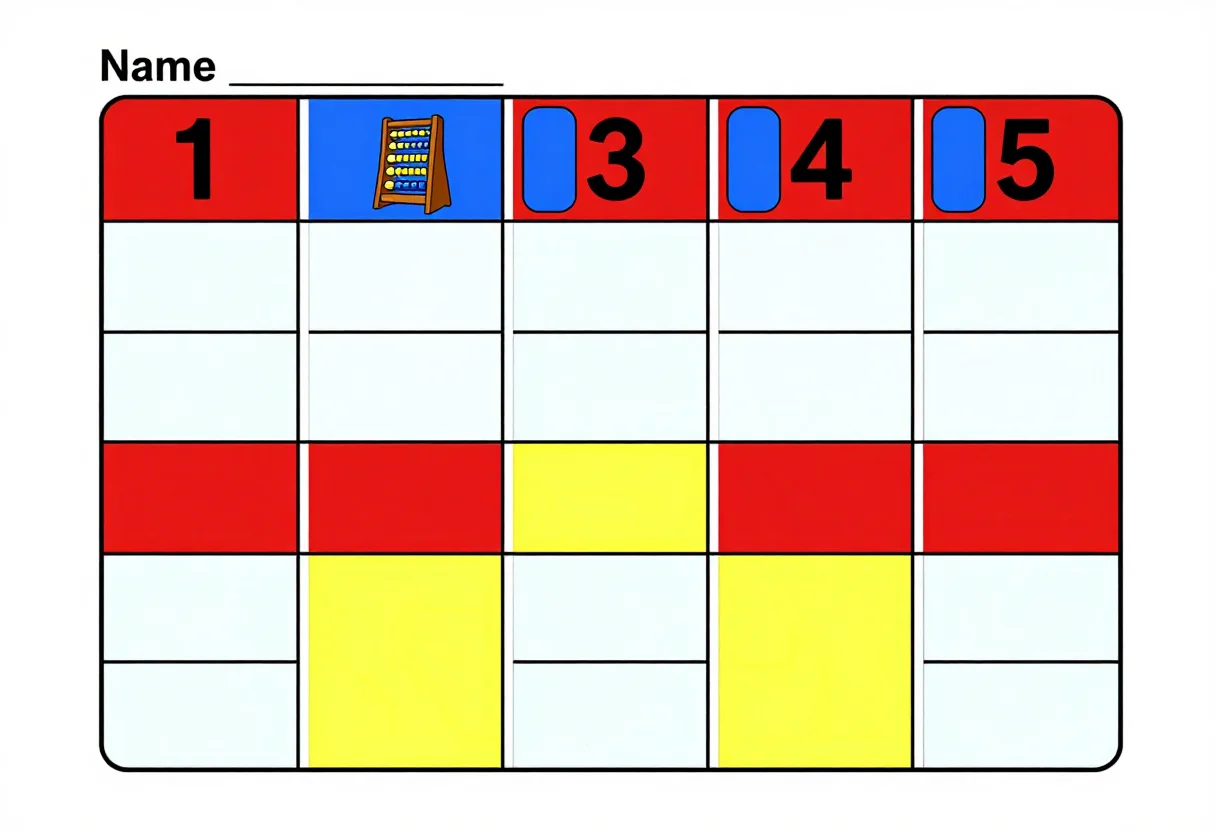
Teachers post hand signals so children can ask for the bathroom, water or help without breaking the lesson. The three posters are a classroom signals chart with four panels, a quiet signal poster with five labelled fingers, and a chart of American Sign Language signs for yes, no, more, help, please and thank you. The styles are bright clip art, boho calm and chalkboard. Type a twist, such as a jungle theme, and the same poster can take it.
- a poster by the classroom door
- a quiet signal on the board during a lesson
- a sign language word chart for a class
Frequently asked questions
- What signals are on the first poster?
- One finger up for I need water, crossed fingers for restroom, a raised open hand for I have a question and a closed fist for I need help.
- Which signs are on the sign language chart?
- Yes, no, more, help, please and thank you, each with a small arrow for the movement and the word printed under it.
- Are the signs correct?
- The chart is drawn to show the American Sign Language sign for each word. Drawn hands can be wrong, so check each sign against an ASL reference before you teach it.
- What is the difference between the styles?
- Bright clip art uses bold outlined shapes, boho calm uses soft shapes with no outlines, and chalkboard looks like chalk on a blackboard.
About toile
This page is a showcase and a starting point: nine samples already rendered, three readings of the pack crossed with three styles, each shown at the size and ratio it was made for. Take any of them further on the wall with a few words, or ask for all nine again under your own direction; a sign-in keeps what you make, and it is free while Toile is new. The recipe behind each sample — the subject, the style, the palette, the framing — travels with the image rather than staying private to the render: it is in the alt text of every sample and in the page's own structured data, so a search engine reads the same handles a person would.