/hijri-calendars · faith
Hijri calendars: single month, year, moon-phase strip
Make your ownHijri calendars
Describe yours. We'll remake the whole pack your way.
More like this
the whole catalog →
every sample — three subjects, three styles ↓
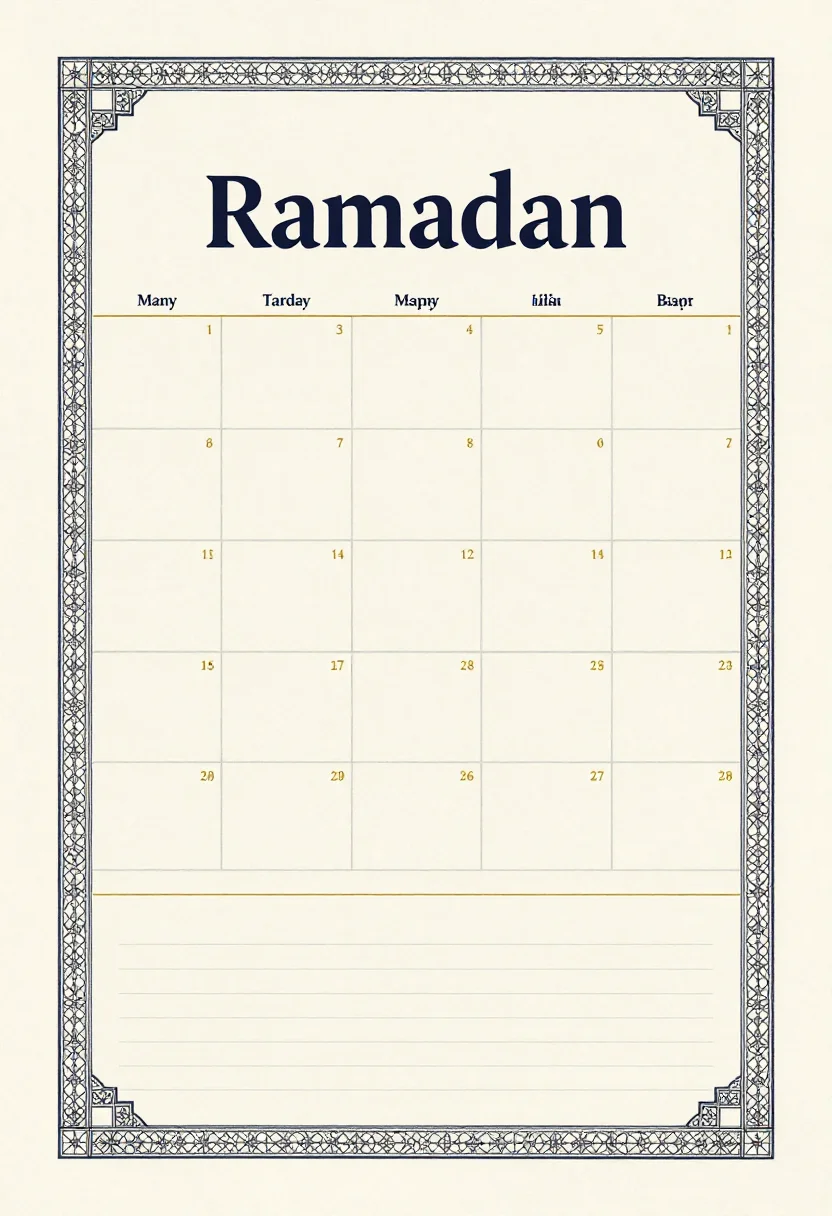
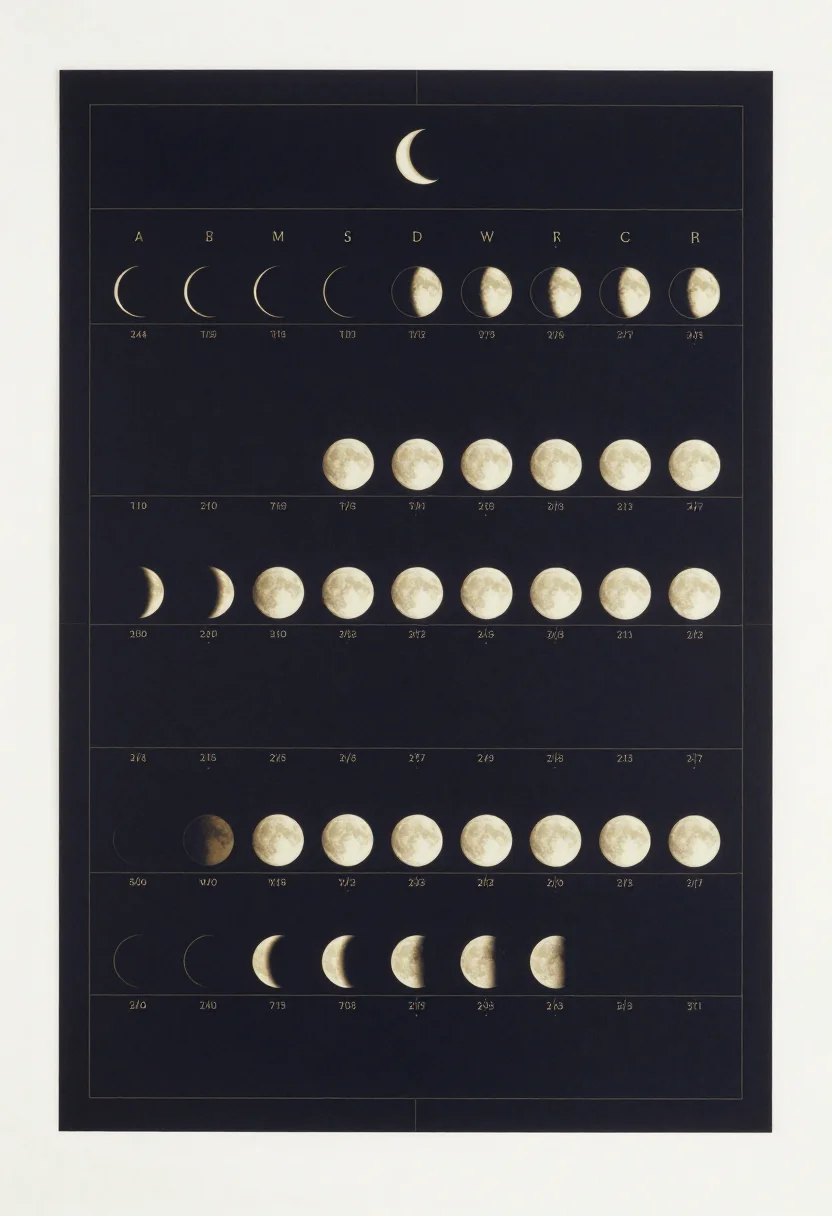
A lunar calendar has to carry two systems at once: the Hijri month in the cell and the Gregorian date beside it. These nine cover three readings — a single month, the twelve-month year, and a moon-phase strip — solved as grid work, with the month names transcribed exactly, in three styles.
- a home wall calendar
- a Ramadan or Hijri month tracker
- a classroom or masjid display
- a planner insert page
- a gift for the Islamic new year
Frequently asked questions
- What size do these print at?
- Each calendar is drawn at A3 wall-calendar proportions with an even margin, so it prints clean at A3 or scales to A4.
- Do these show both Hijri and Gregorian dates?
- Yes — every cell carries the Hijri date with the corresponding Gregorian date beside it.
- What's the difference between the three readings?
- One reading is a single month grid, one is the full twelve-month year laid out at once, and one is a moon-phase strip tracking the lunar cycle.
- Are the month names accurate?
- Yes — the Hijri month names are transcribed exactly, which is the exacting part of this design.
About toile
This page is a showcase and a starting point: nine samples already rendered, three readings of the pack crossed with three styles, each shown at the size and ratio it was made for. Take any of them further on the wall with a few words, or ask for all nine again under your own direction; a sign-in keeps what you make, and it is free while Toile is new. The recipe behind each sample — the subject, the style, the palette, the framing — travels with the image rather than staying private to the render: it is in the alt text of every sample and in the page's own structured data, so a search engine reads the same handles a person would.