/iron-on-transfers · cutfiles
Iron-on transfer designs: banner, retro-sun and mama-and-mini sets
Make your ownIron-on transfers
Describe yours. We'll remake the whole pack your way.
More like this
the whole catalog →
every sample — three subjects, three styles ↓
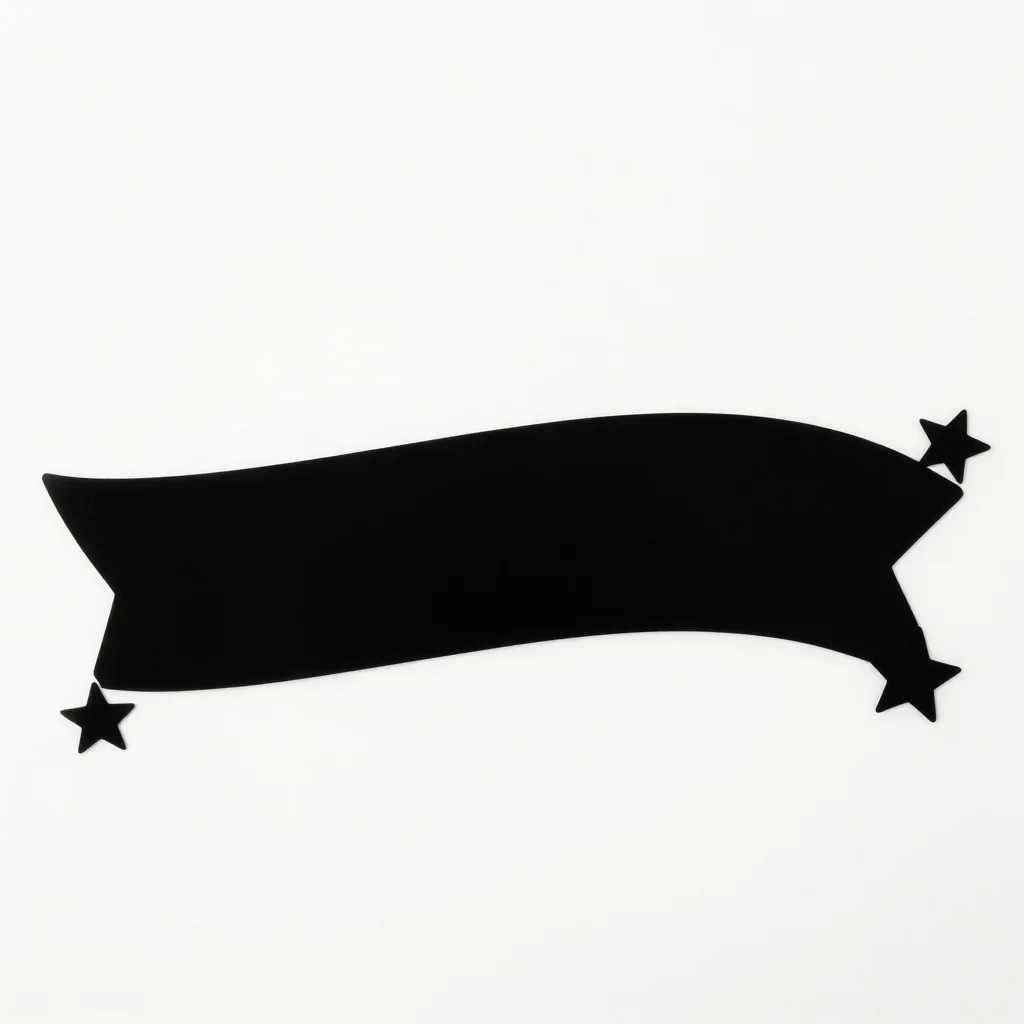
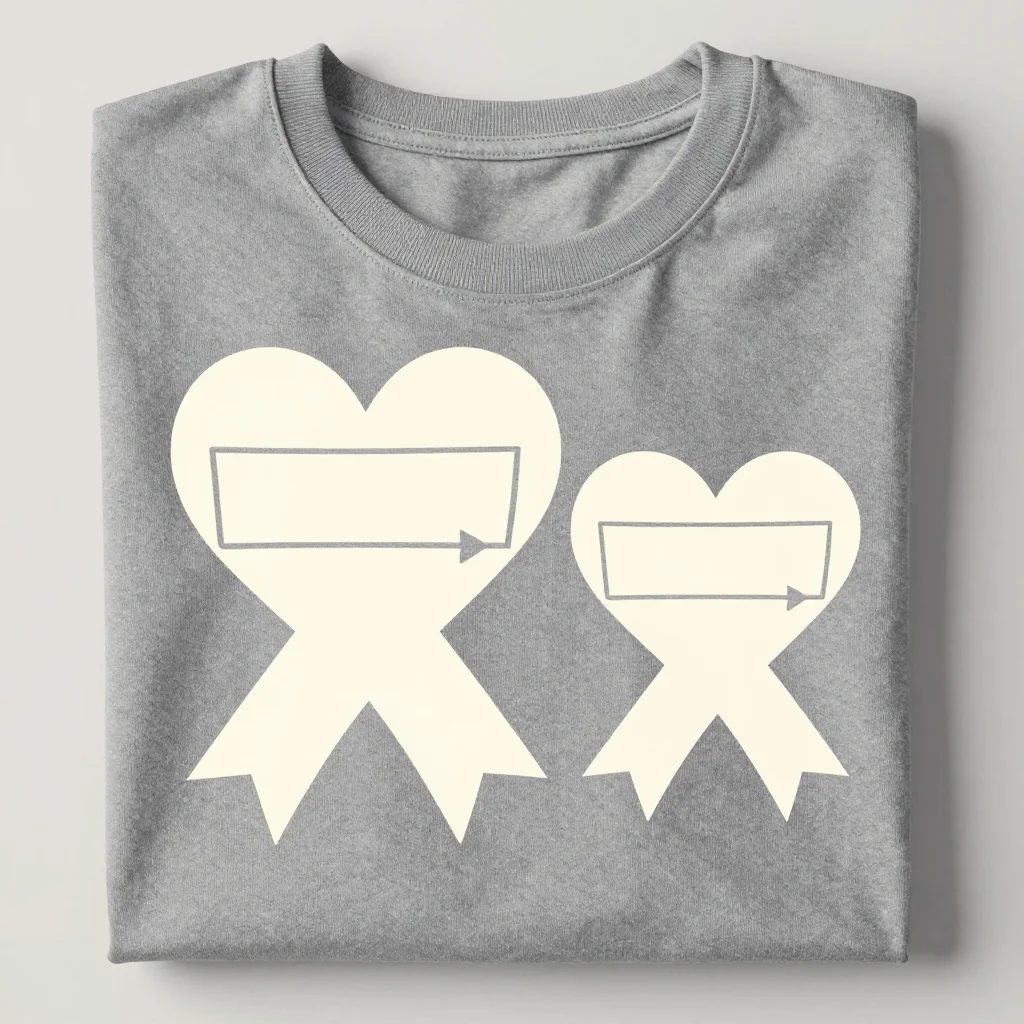
An iron-on design has to be right the first time — mirrored before the cut, correct after the press. These nine cover a bold single-word banner, a retro sun-and-palms scene, and a mama-and-mini paired set with blank script shapes to fill, each in single-colour HTV, layered, and a mock-up on a shirt. Cut mirrored, press right-reading, or type a different design and it cuts again.
- a custom family t-shirt set
- a small HTV business design
- a birthday or event shirt
- a matching mama-and-mini gift
- a retro-themed shirt design
Frequently asked questions
- Is the cut file already mirrored?
- Yes — the single-colour and layered versions are drawn mirrored, ready to cut. The mock-up shows the shirt right-reading after the press, for reference only.
- What does 'layered' mean for HTV?
- The design separates into multiple vinyl colours cut and weeded individually, then pressed in layers — more colour, more press steps than single-colour.
- Does the mama-and-mini set include text?
- The set ships with blank script shapes sized for text — add the wording in your cutting software before sending to the blade.
- Can I get a different design in the same three treatments?
- Type a different subject and the set cuts again as single-colour HTV, layered and mock-up.
About toile
This page is a showcase and a starting point: nine samples already rendered, three readings of the pack crossed with three styles, each shown at the size and ratio it was made for. Take any of them further on the wall with a few words, or ask for all nine again under your own direction; a sign-in keeps what you make, and it is free while Toile is new. The recipe behind each sample — the subject, the style, the palette, the framing — travels with the image rather than staying private to the render: it is in the alt text of every sample and in the page's own structured data, so a search engine reads the same handles a person would.