/jar-labels · brand
Printable jar labels: a jam label, a pantry set and a honey jar label
Make your ownJar labels
Describe yours. We'll remake the whole pack your way.
More like this
the whole catalog →
every sample — three subjects, three styles ↓
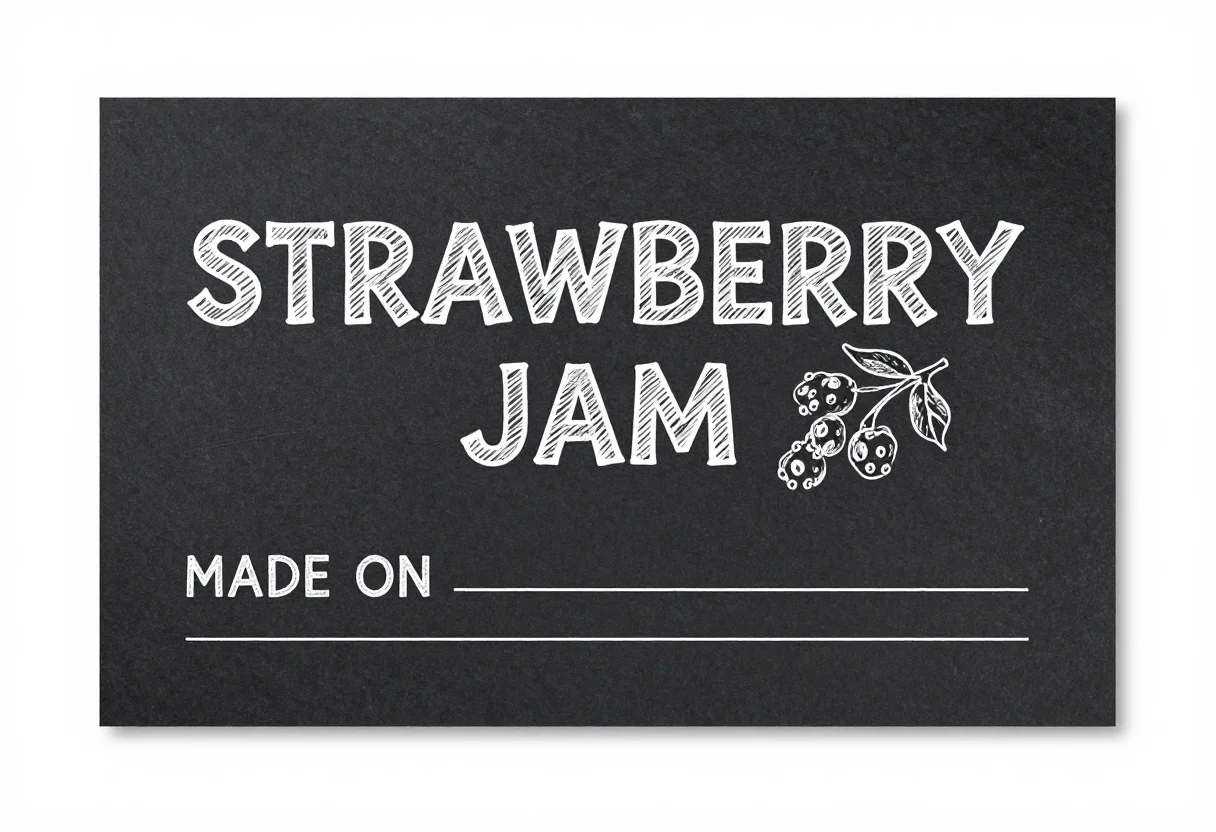
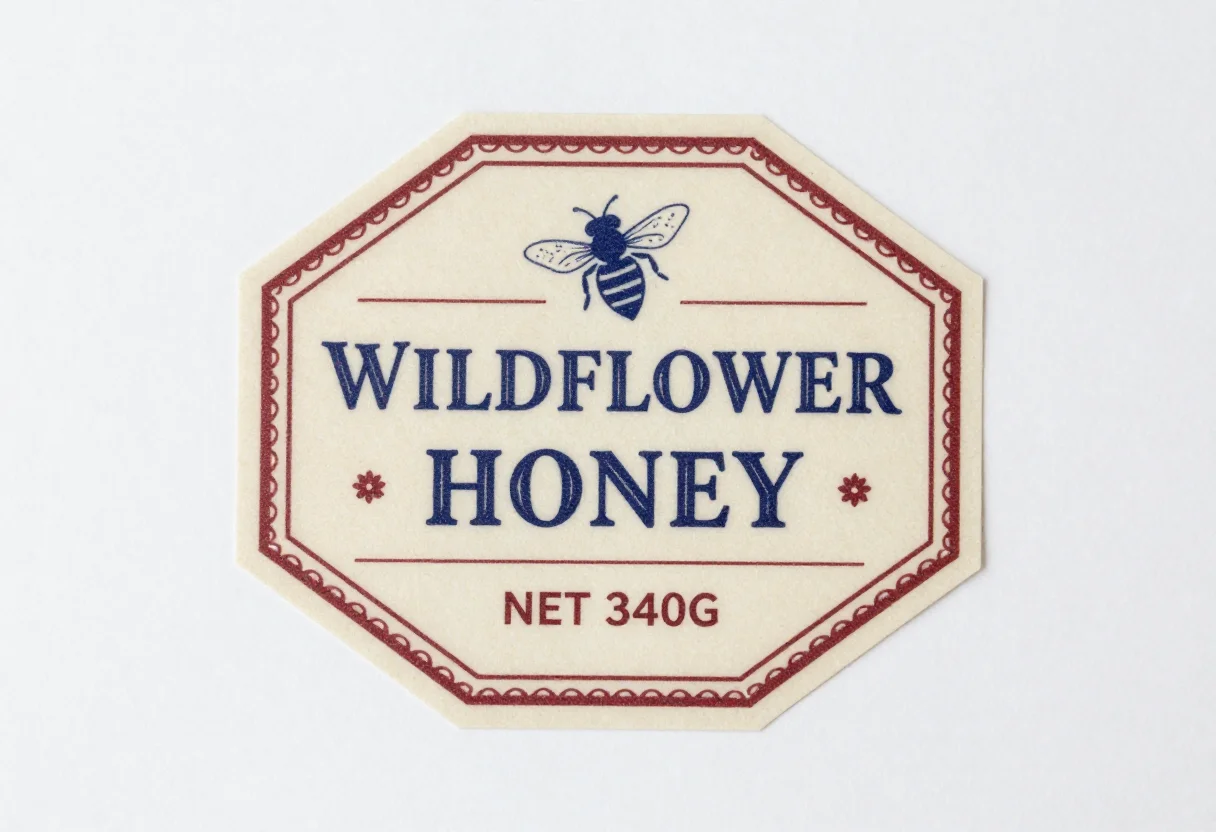
Pantry labels sell on their exact word: STRAWBERRY JAM, FLOUR, WILDFLOWER HONEY. These nine draw a preserve label, a three-jar staples set, and a honey label, each in a chalkboard finish, a hand-drawn pen style, and a vintage apothecary frame. Ask for your own jar contents and the wording is spelled exactly on the same clean sheet.
- a homemade jam or preserve label
- a farmhouse pantry organizing set
- a honey jar for a market stall
- a printable label sheet for a craft fair
- a wedding jam favour label
Frequently asked questions
- What size do the labels print at?
- Each set is drawn on a wide 1216 by 832 sheet with thin cut lines and a margin, ready to print eight labels to a standard letter or A4 sheet.
- Can I change the contents or names shown?
- Yes — type your own jar contents, such as sugar, oats or a different preserve, in the direction field and it's spelled exactly.
- Is there room to write the date by hand?
- The jam label leaves a ruled line for a hand-written date; the other two labels print exactly as shown, with no blank line.
- Can I get labels for a spice rack instead?
- Yes — that's one of the ready directions on the page, or ask for any pantry item directly.
About toile
This page is a showcase and a starting point: nine samples already rendered, three readings of the pack crossed with three styles, each shown at the size and ratio it was made for. Take any of them further on the wall with a few words, or ask for all nine again under your own direction; a sign-in keeps what you make, and it is free while Toile is new. The recipe behind each sample — the subject, the style, the palette, the framing — travels with the image rather than staying private to the render: it is in the alt text of every sample and in the page's own structured data, so a search engine reads the same handles a person would.