/kalocsa · pattern
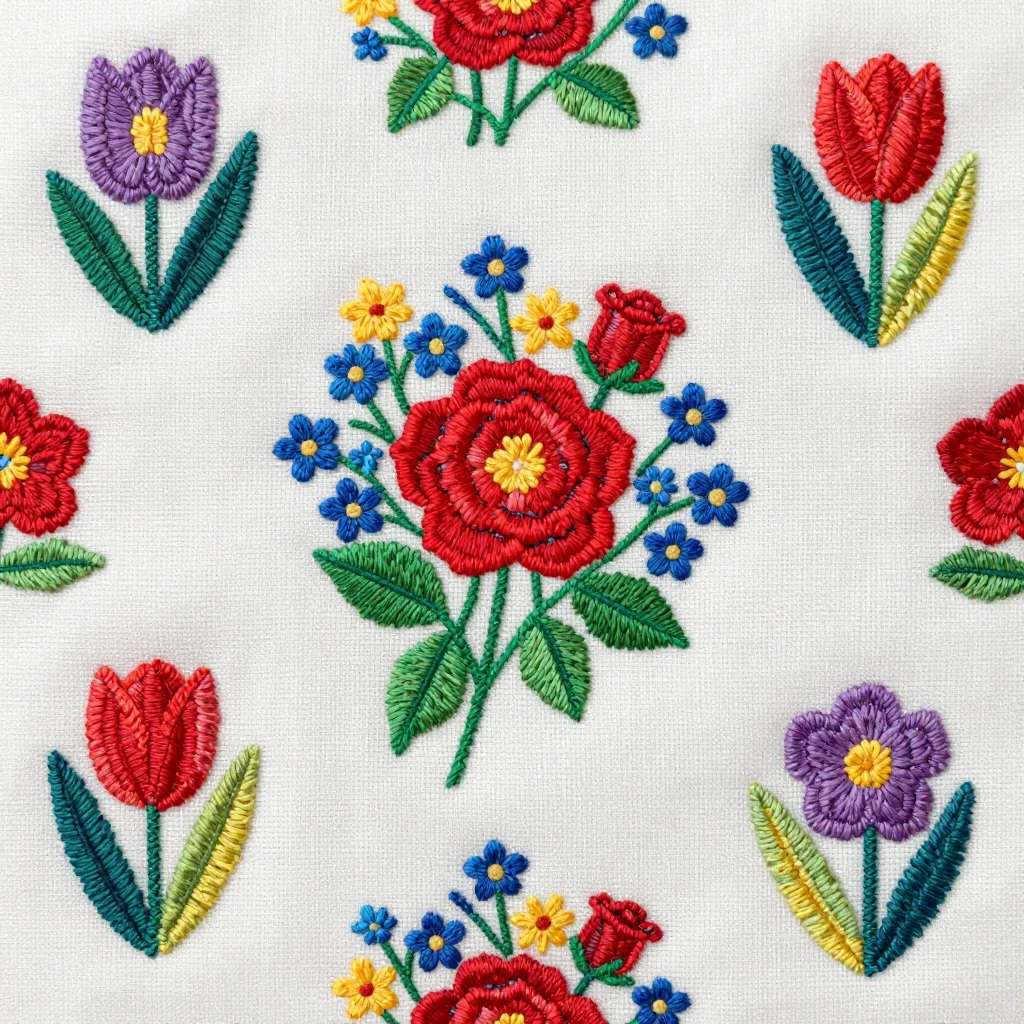
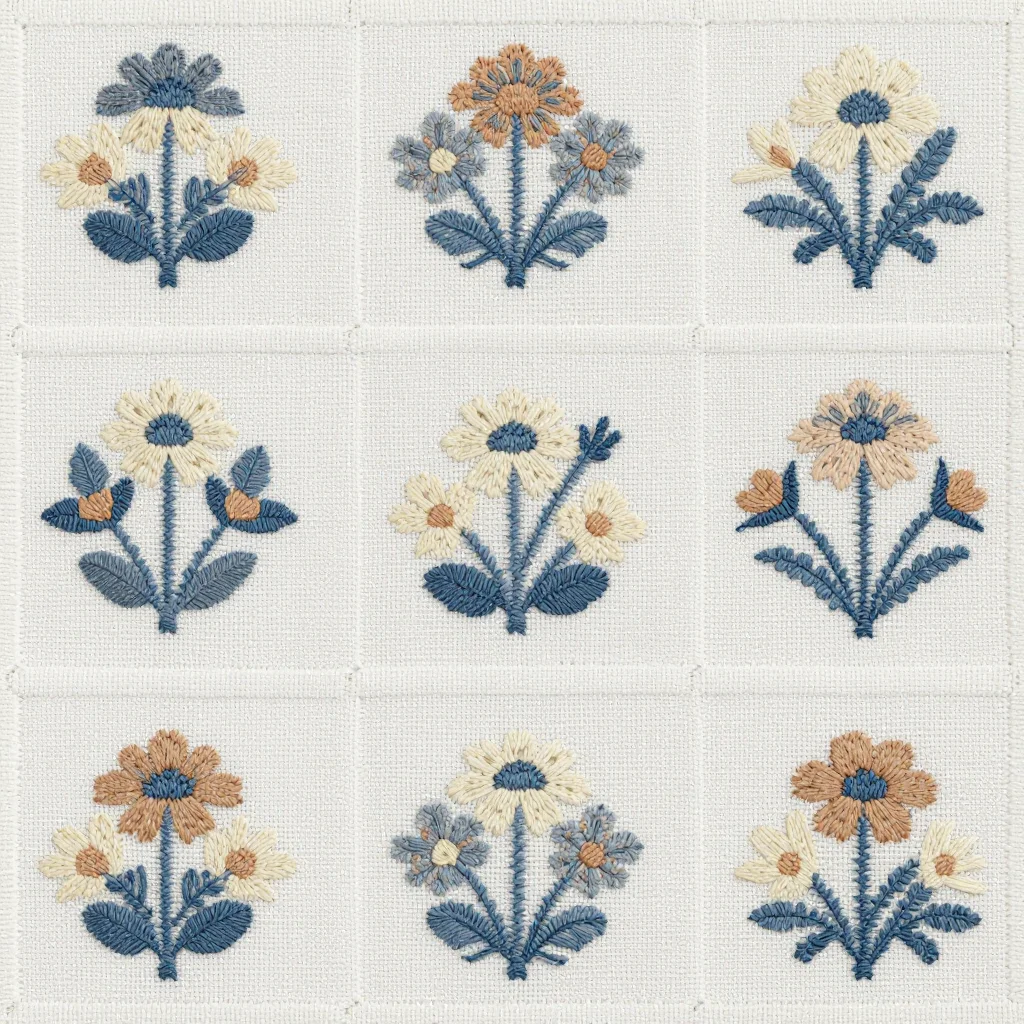
Kalocsa patterns: paprika rose, tulip, forget-me-not in three colourways
Make your ownKalocsa
Describe yours. We'll remake the whole pack your way.
More like this
the whole catalog →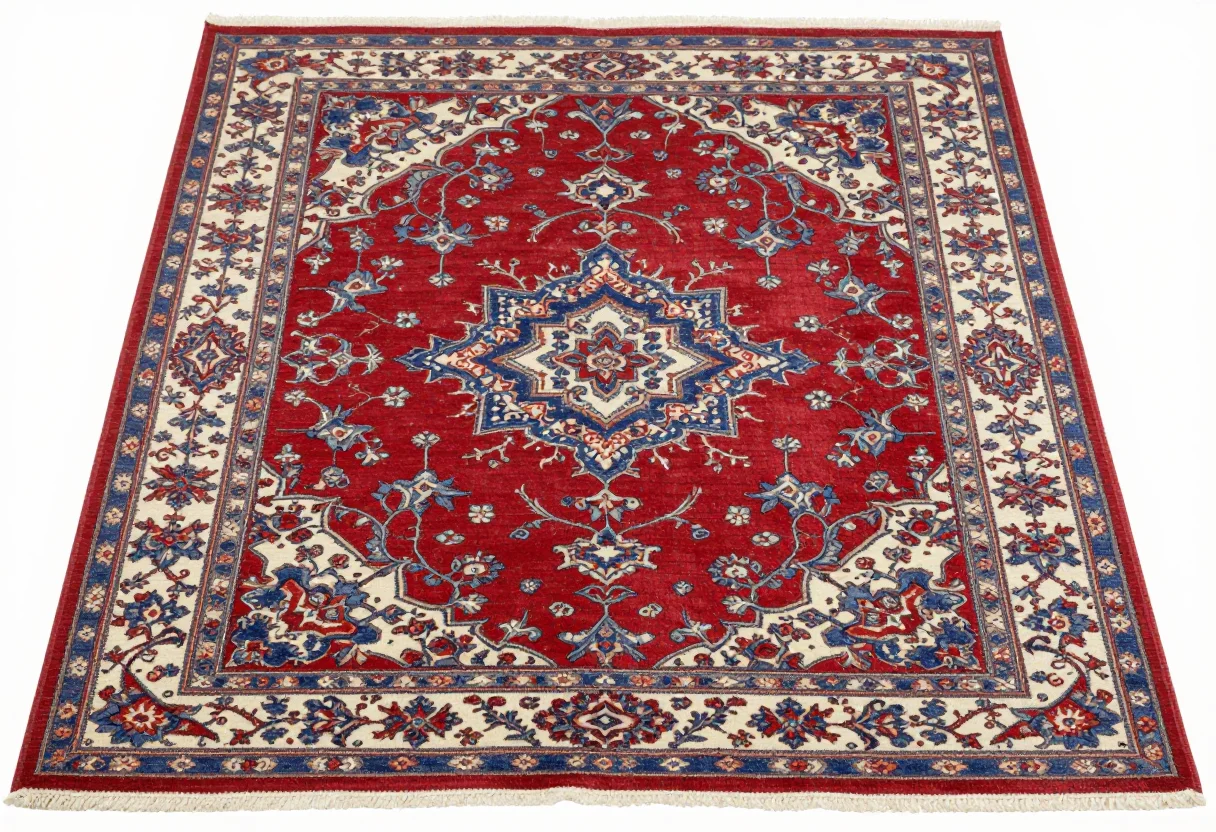

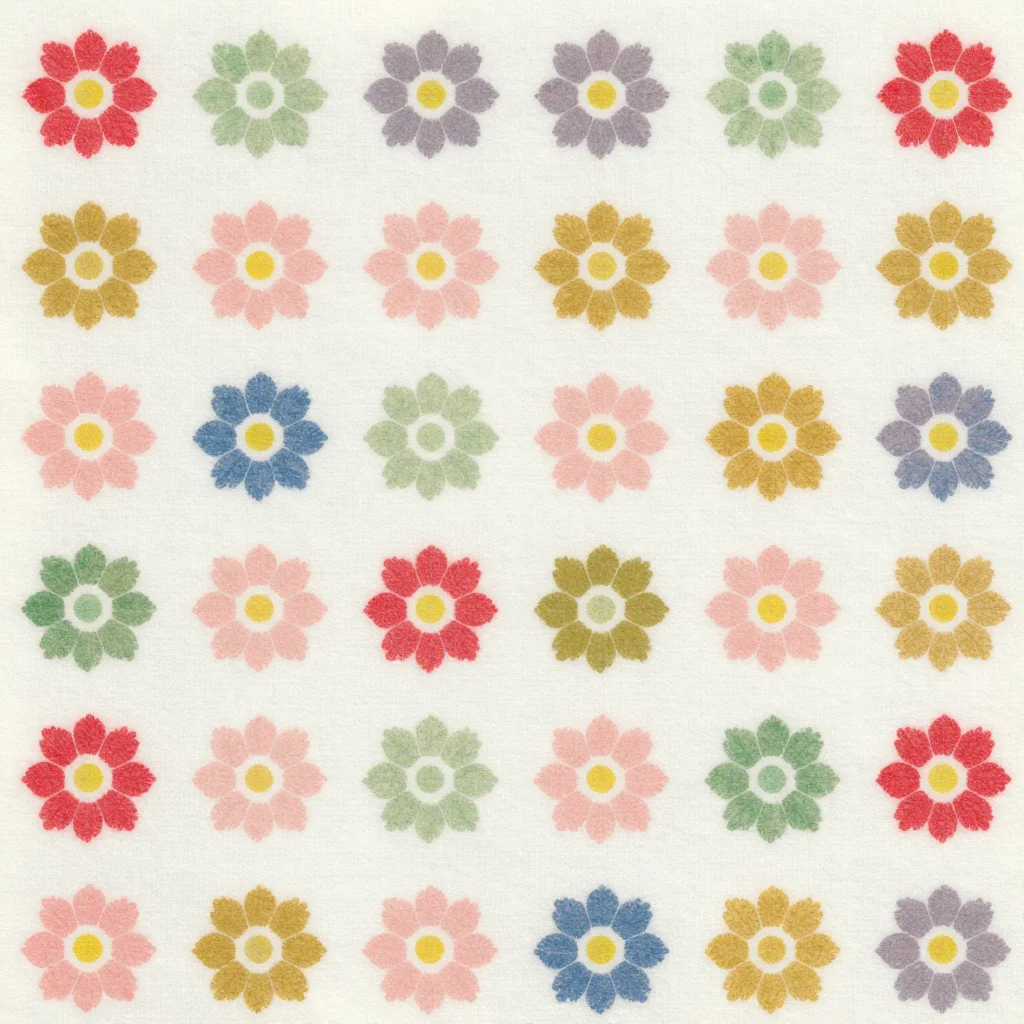
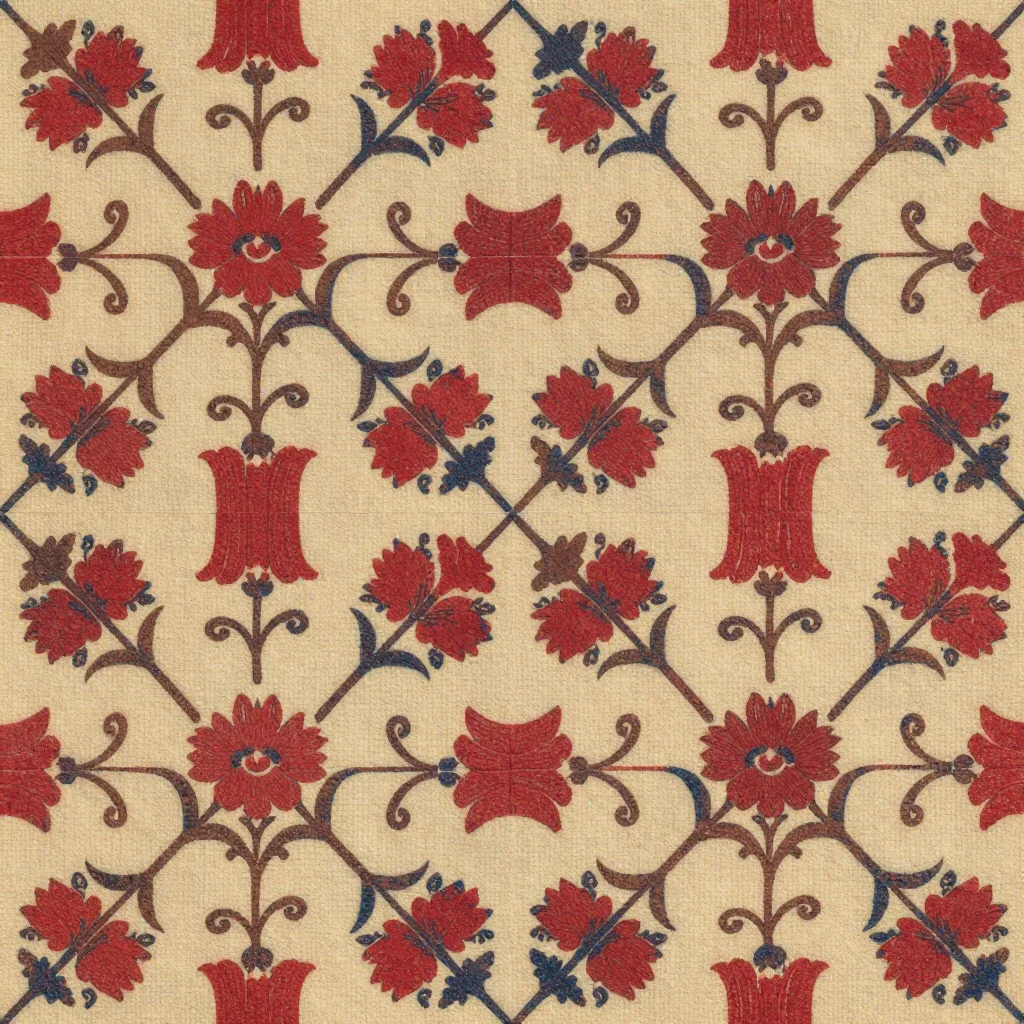
every sample — three subjects, three styles ↓
Kalocsa, on the Danube, keeps one pattern language for two surfaces, the embroidered cloth and the painted wall: leaning bouquets of paprika-red roses, tulips and forget-me-nots, drawn freehand before anyone stitches. These nine set the rose, the tulip and the forget-me-not, each in three colourways. Ask for a different leaning bouquet and the same three colourways carry it.
- a fabric or wallpaper swatch
- a gift print
- a cultural studies handout
- a home decor accent
Frequently asked questions
- What size do these print at?
- Each pattern is drawn at A3 proportions with an even margin, so it prints clean at A3 or scales to A4.
- Can I ask for a different leaning bouquet?
- Yes — the direction field takes a different bouquet, such as a poppy or a daisy, and the same three colourways render it.
- What's the difference between the three colourways?
- Each colourway keeps the same freehand-drawn bouquet and shifts the palette, from the classic paprika-red set to a softer modern one.
- Is this respectful of real Hungarian Kalocsa traditions?
- The set draws on the freehand-drawn, leaning-bouquet technique of Hungarian Kalocsa embroidery and folk painting as a style reference for a generated pattern, not a reproduction of any specific woman's drawn design.
About toile
This page is a showcase and a starting point: nine samples already rendered, three readings of the pack crossed with three styles, each shown at the size and ratio it was made for. Take any of them further on the wall with a few words, or ask for all nine again under your own direction; a sign-in keeps what you make, and it is free while Toile is new. The recipe behind each sample — the subject, the style, the palette, the framing — travels with the image rather than staying private to the render: it is in the alt text of every sample and in the page's own structured data, so a search engine reads the same handles a person would.