/kids-passports · classroom
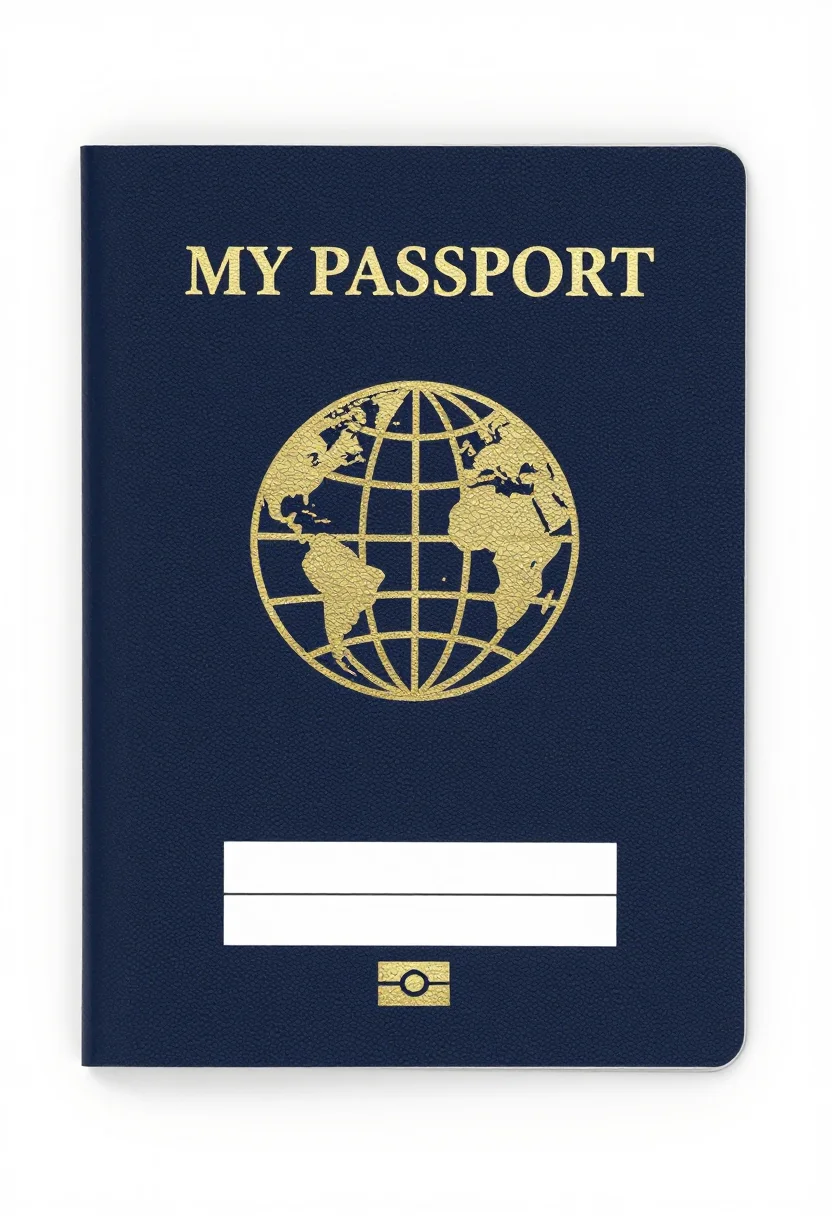
Kids passport template: passport cover, identity page, visa stamp pages
Make your ownKids passports
Describe yours. We'll remake the whole pack your way.
More like this
the whole catalog →
every sample — three subjects, three styles ↓
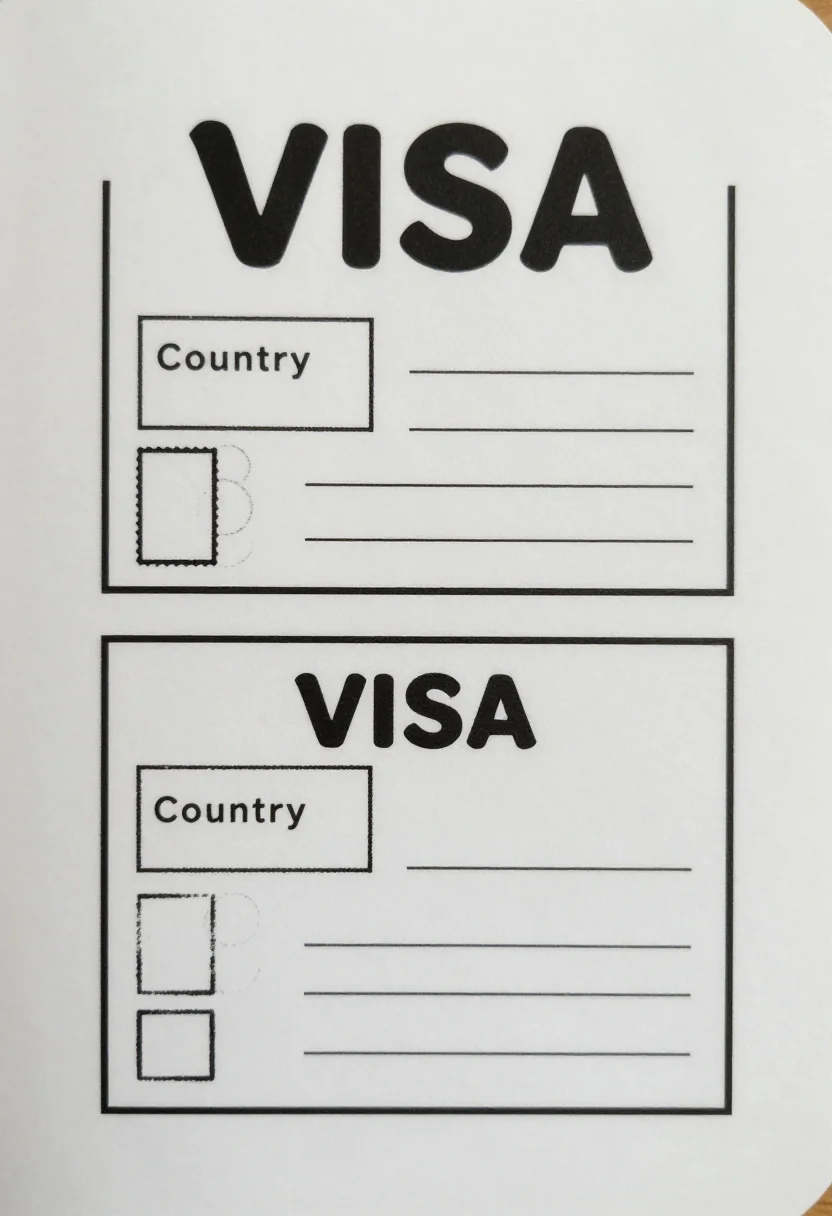
Teachers use a kids passport for a world-cultures unit and parents for a pretend trip, stamping a page for every country visited. The pages are a cover, an identity page with a photo box, and visa pages to stamp. The nine pictures show these parts in a classic navy and gold guilloche design, a colourful world-map print, and a plain black line print with empty boxes. Type a different theme and the same pages are drawn for it.
- a world cultures unit in a classroom
- a pretend family trip at home
- a reading or geography activity
- a travel-themed gift for a child
Frequently asked questions
- Are the stamps and the photo already on the page?
- No. The visa pages have empty boxes for stamps, with a few round outlines to stamp over. The identity page has an empty photo box.
- Is this a real passport?
- No. It is a pretend booklet for play and learning, and it is not an identity document.
- What is the difference between the three styles?
- Classic passport is navy and gold on cream with a guilloche pattern. World map uses teal, orange and sand with simple continents. Black and white is a plain line print with large shapes.
About toile
This page is a showcase and a starting point: nine samples already rendered, three readings of the pack crossed with three styles, each shown at the size and ratio it was made for. Take any of them further on the wall with a few words, or ask for all nine again under your own direction; a sign-in keeps what you make, and it is free while Toile is new. The recipe behind each sample — the subject, the style, the palette, the framing — travels with the image rather than staying private to the render: it is in the alt text of every sample and in the page's own structured data, so a search engine reads the same handles a person would.