/kindness-challenge-cards · classroom
Kindness challenge cards: kind-act cards, thirty-day challenge, caught being kind
Make your ownKindness challenge cards
Describe yours. We'll remake the whole pack your way.
More like this
the whole catalog →
every sample — three subjects, three styles ↓
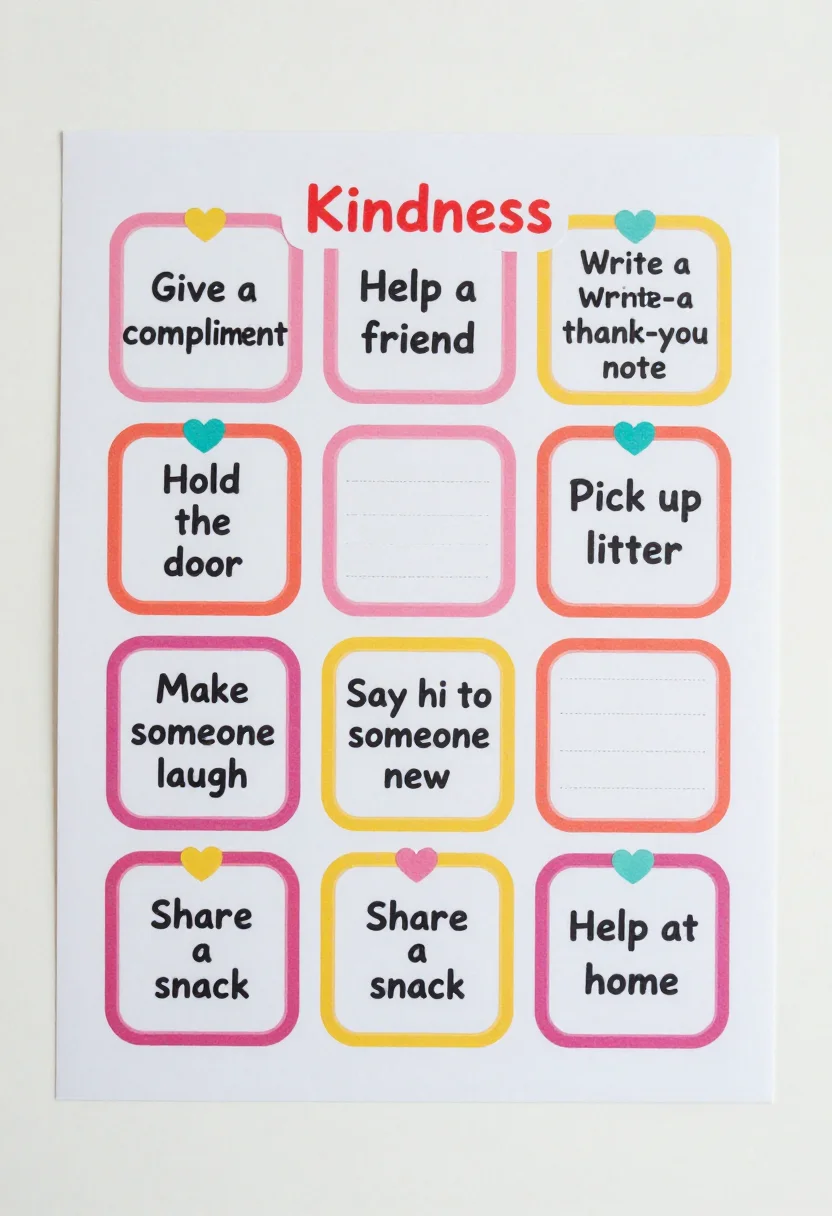
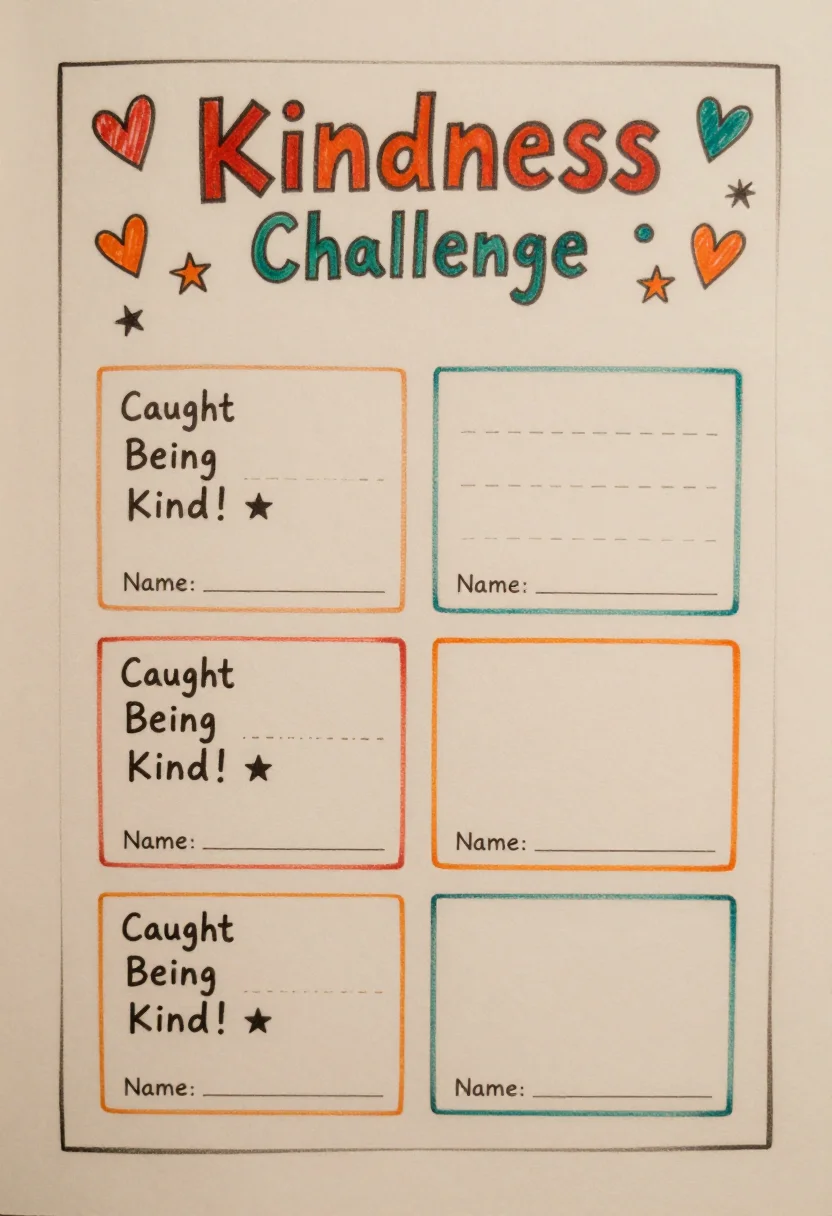
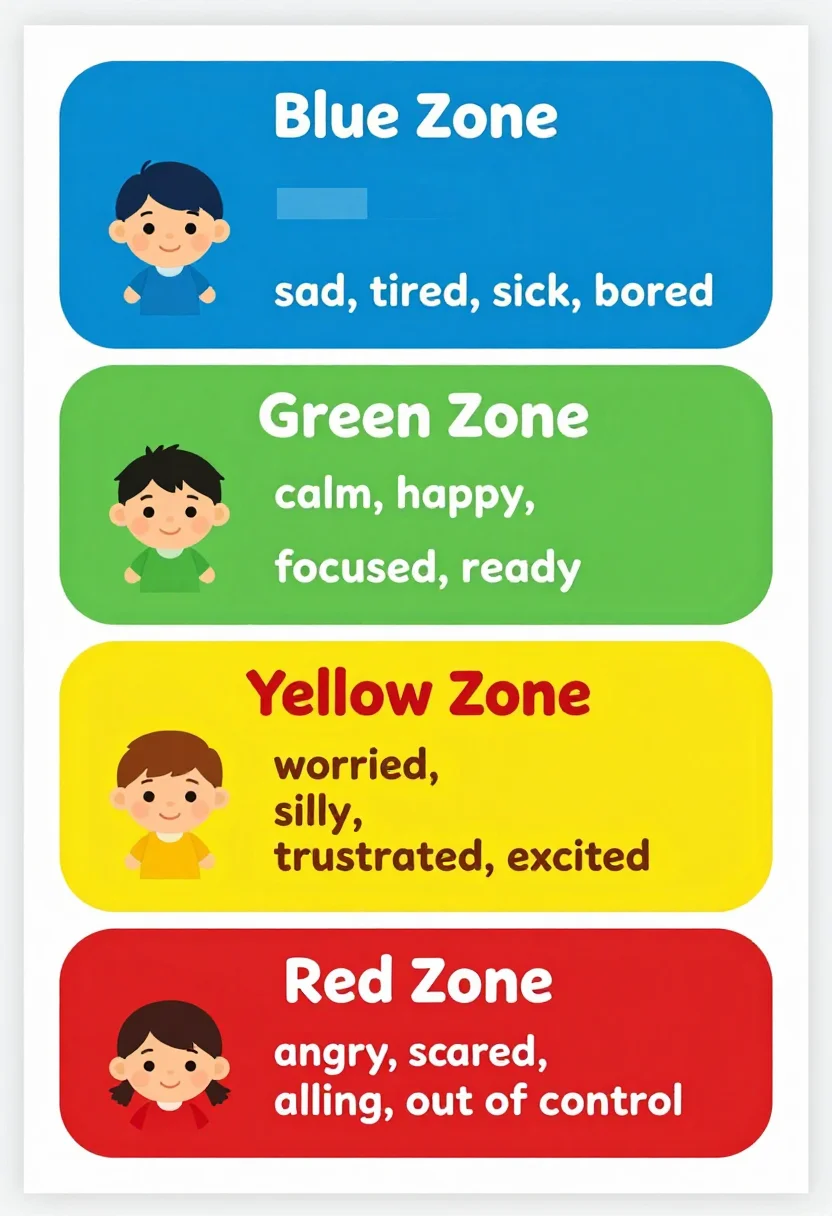
Printable kindness challenge cards for a week or a month of small kind acts at school and at home. Teachers and parents hand out the cards. The three sets are a sheet of cut-out kind-act cards, a thirty-day challenge grid, and caught-being-kind reward cards to give when a child is seen being kind. Each comes in three styles: bright hearts, soft pastel and hand-drawn.
- a weekly kindness challenge in a classroom
- a thirty-day challenge at home
- reward cards for a child caught being kind
Frequently asked questions
- What is on the act cards?
- Cut-out cards, each with a small kind act, to hand out one at a time.
- How does the thirty-day challenge work?
- A grid of thirty days to tick off as each kind act is done.
- What are the reward cards for?
- To hand out when a child is caught being kind.
- Which style suits a classroom?
- Bright hearts uses a bold heart motif; soft pastel is calm and rounded.
About toile
This page is a showcase and a starting point: nine samples already rendered, three readings of the pack crossed with three styles, each shown at the size and ratio it was made for. Take any of them further on the wall with a few words, or ask for all nine again under your own direction; a sign-in keeps what you make, and it is free while Toile is new. The recipe behind each sample — the subject, the style, the palette, the framing — travels with the image rather than staying private to the render: it is in the alt text of every sample and in the page's own structured data, so a search engine reads the same handles a person would.