/kurti-neck-embroidery-designs · fashion
Kurti neck embroidery designs: chikankari, mirror work, gota patti
Make your ownKurti neck embroidery designs
Describe yours. We'll remake the whole pack your way.
More like this
the whole catalog →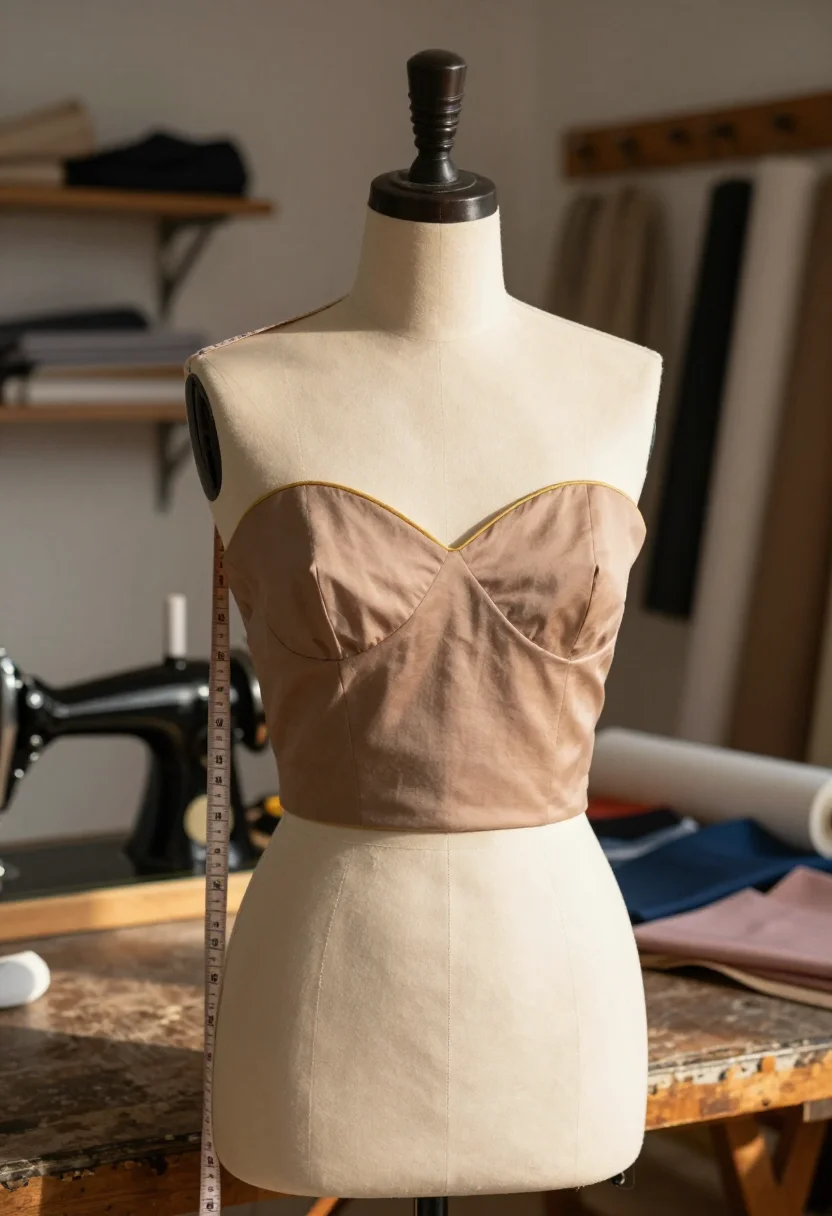
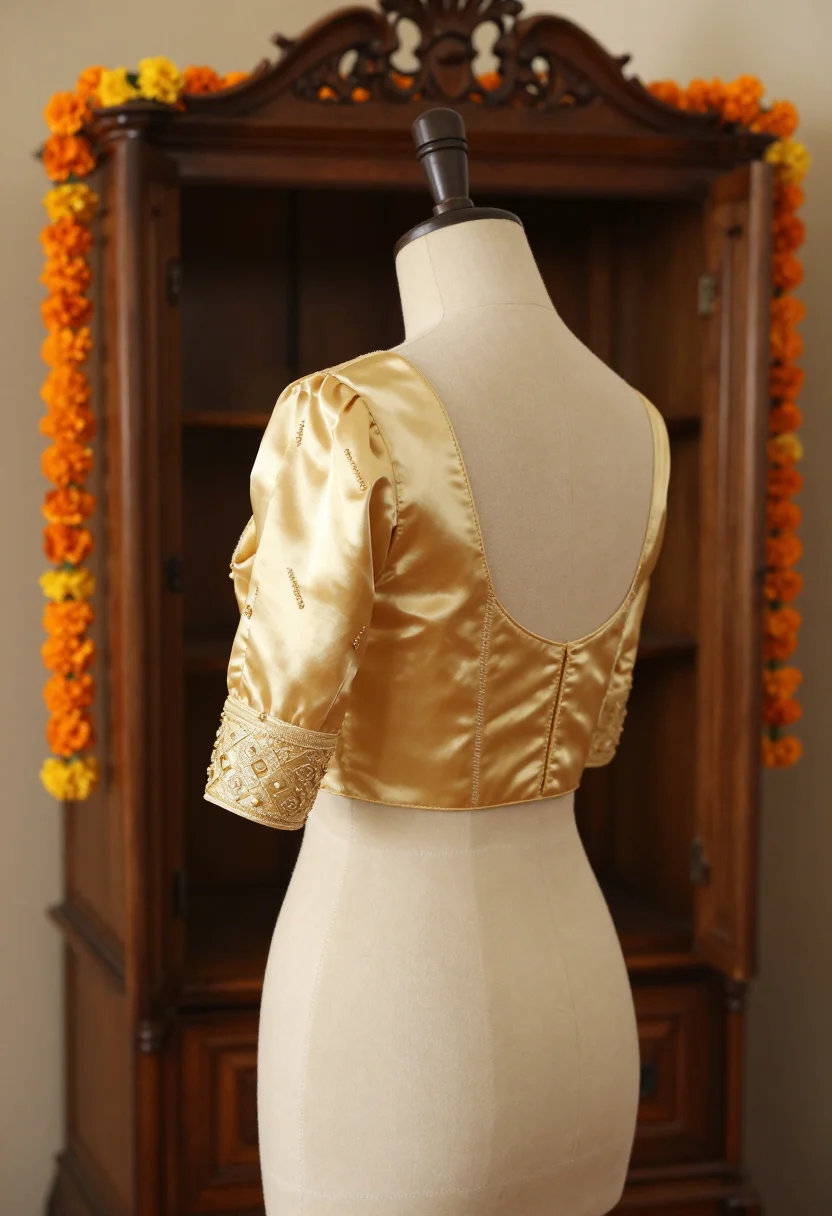
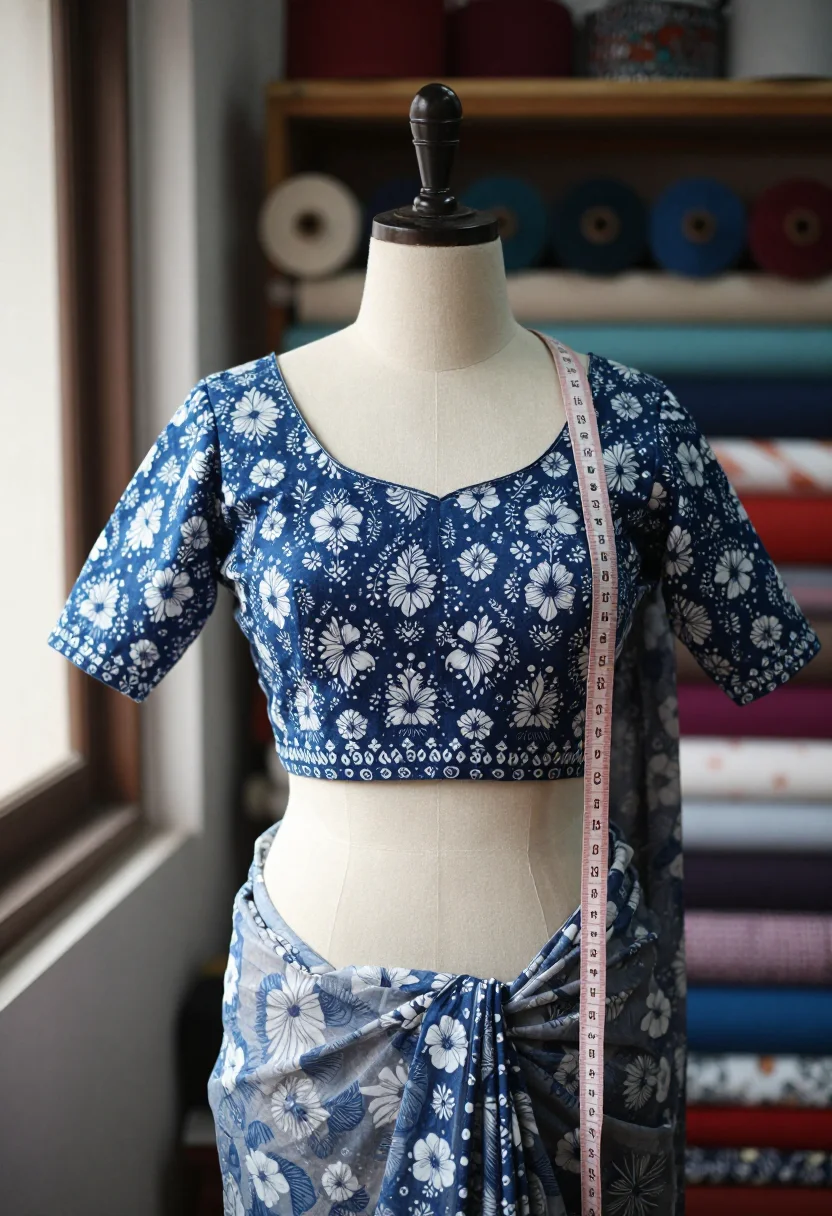
every sample — three subjects, three styles ↓
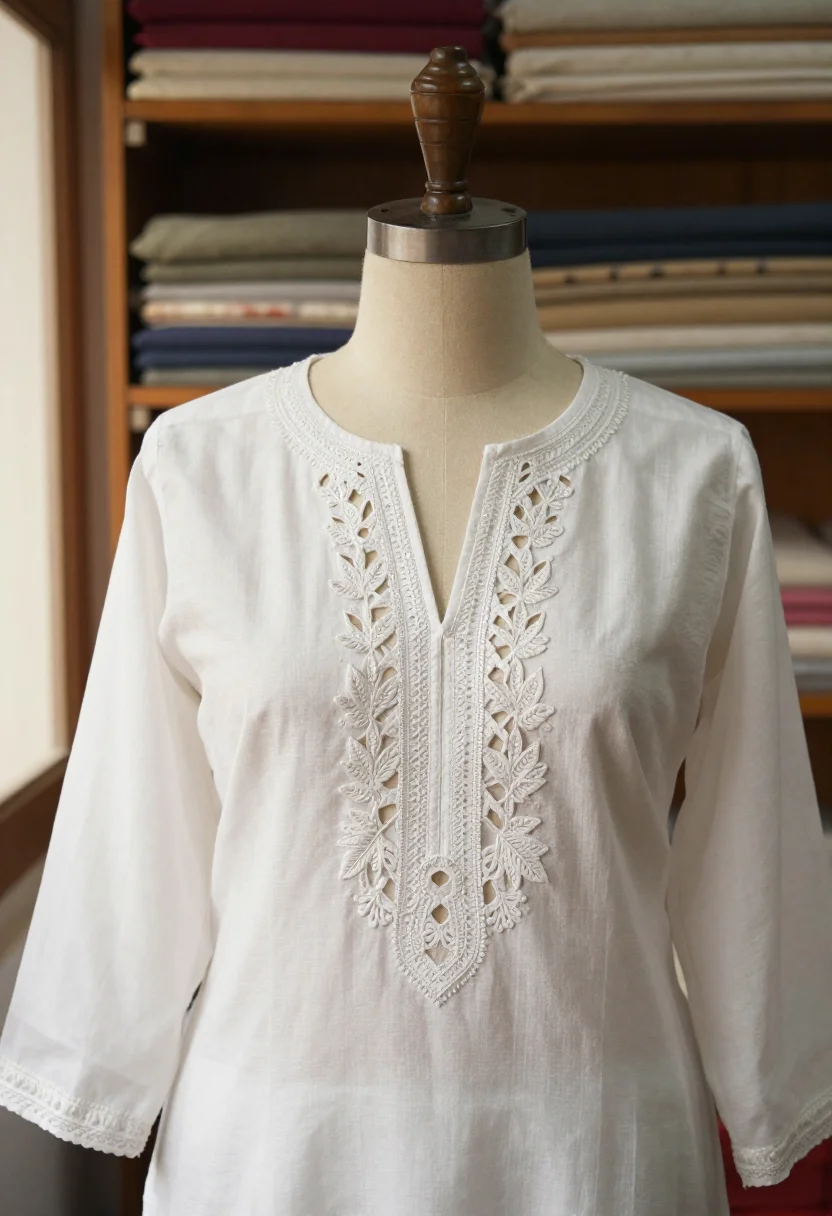
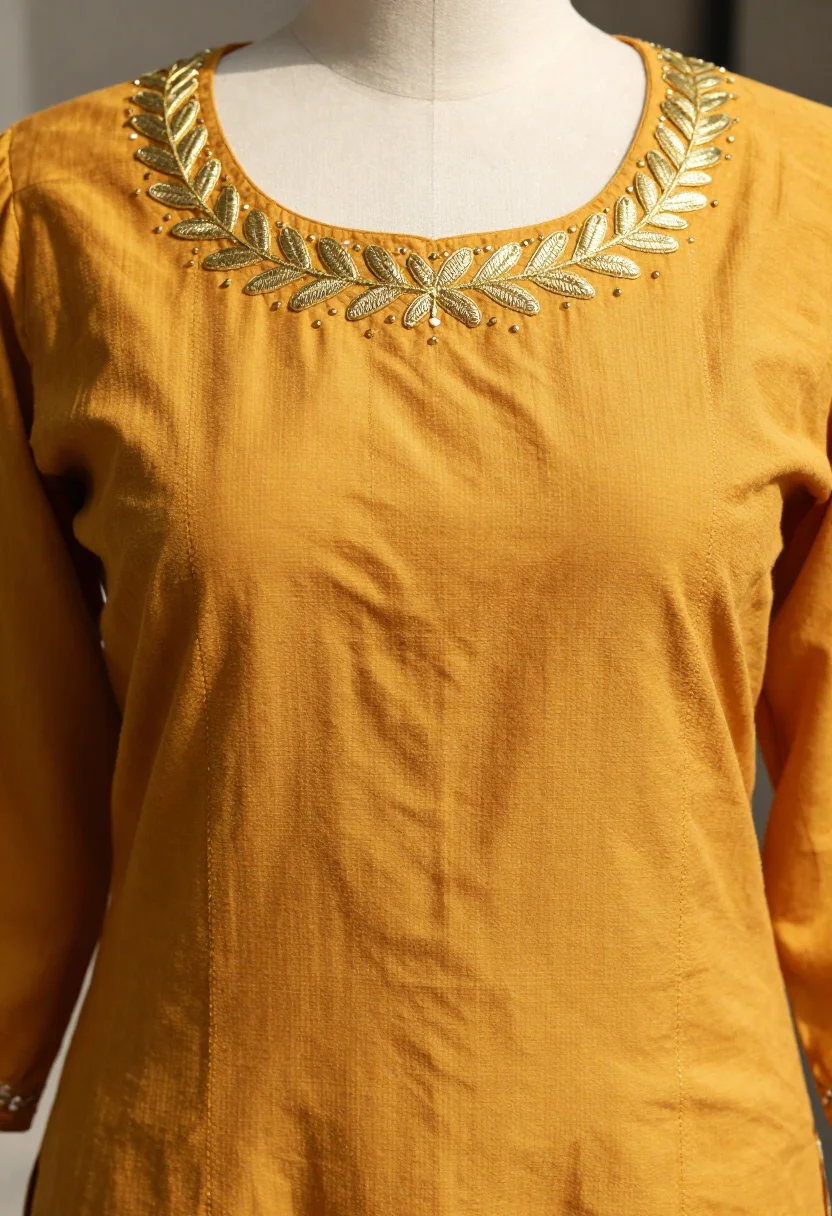
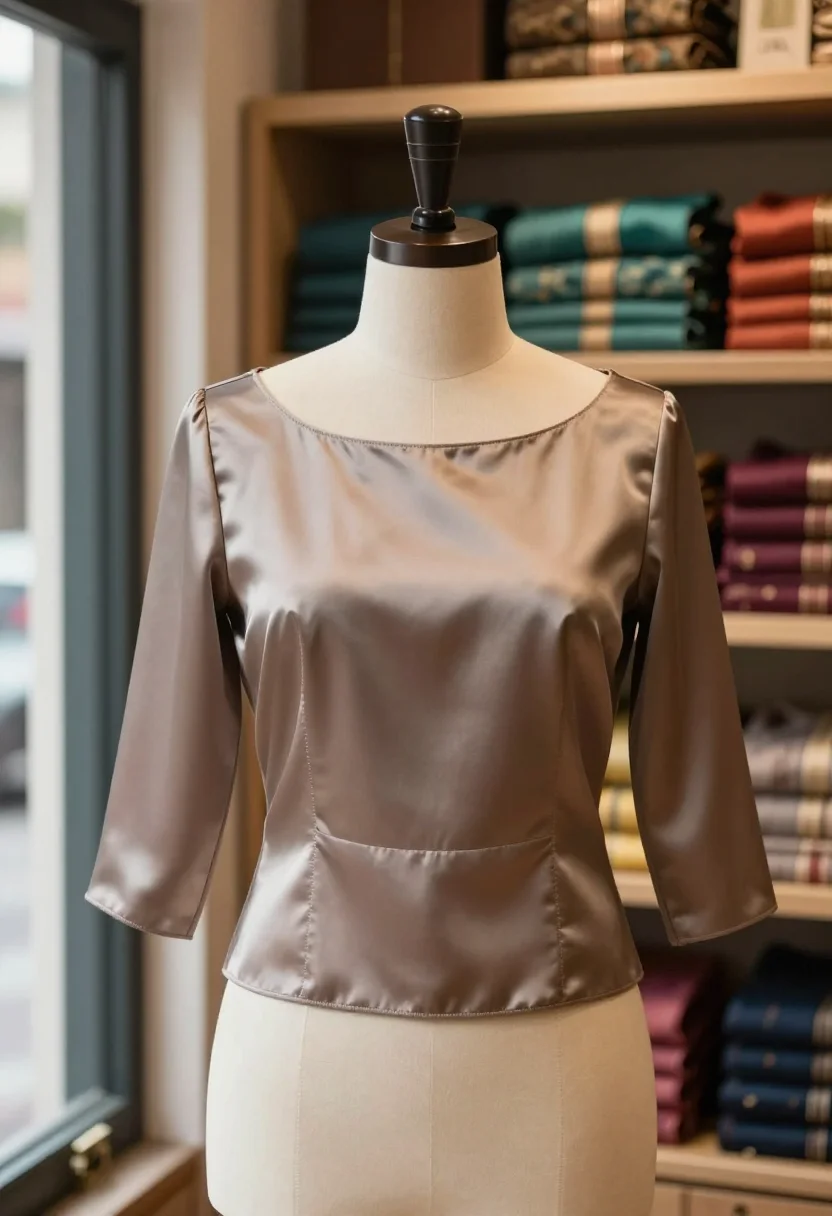
The neckline is what a tailor and an embroiderer need to see first, so these pictures put it first. Three designs: a Lucknowi chikankari keyhole neck, a Kutch mirror-work V neck, and a Rajasthani gota patti round neck. Each kurti is on a headless dress form, with the neck filling the frame. Type a different neck shape or colour as a direction, such as a boat neck or in maroon, and the same layout carries it.
- a neckline brief for a tailor before the cloth is cut
- a reference for an embroiderer choosing a neck design
- a side-by-side look at three necklines
- a mood board for a kurti order
Frequently asked questions
- Can I ask for a different neck shape or colour?
- Yes. Type it in the direction field, such as boat neck or in maroon. The nine pictures here are the nine shown; a direction you type is a request for a new picture, not a promised result.
- What is the difference between the three settings?
- The tailor's shop puts the kurti among folded cloth on wooden shelves, the plain wall shows the neck against a pale neutral ground, and the close detail crops tight so each stitch is visible.
- Are there people in the pictures?
- No. Each kurti is on a headless dress form, with no wearer, no face and no hands in the frame.
About toile
This page is a showcase and a starting point: nine samples already rendered, three readings of the pack crossed with three styles, each shown at the size and ratio it was made for. Take any of them further on the wall with a few words, or ask for all nine again under your own direction; a sign-in keeps what you make, and it is free while Toile is new. The recipe behind each sample — the subject, the style, the palette, the framing — travels with the image rather than staying private to the render: it is in the alt text of every sample and in the page's own structured data, so a search engine reads the same handles a person would.