/large-scale-florals · pattern
Large-scale floral: one bloom, cluster, cropped bloom
Make your ownLarge-scale florals
Describe yours. We'll remake the whole pack your way.
More like this
the whole catalog →
every sample — three subjects, three styles ↓
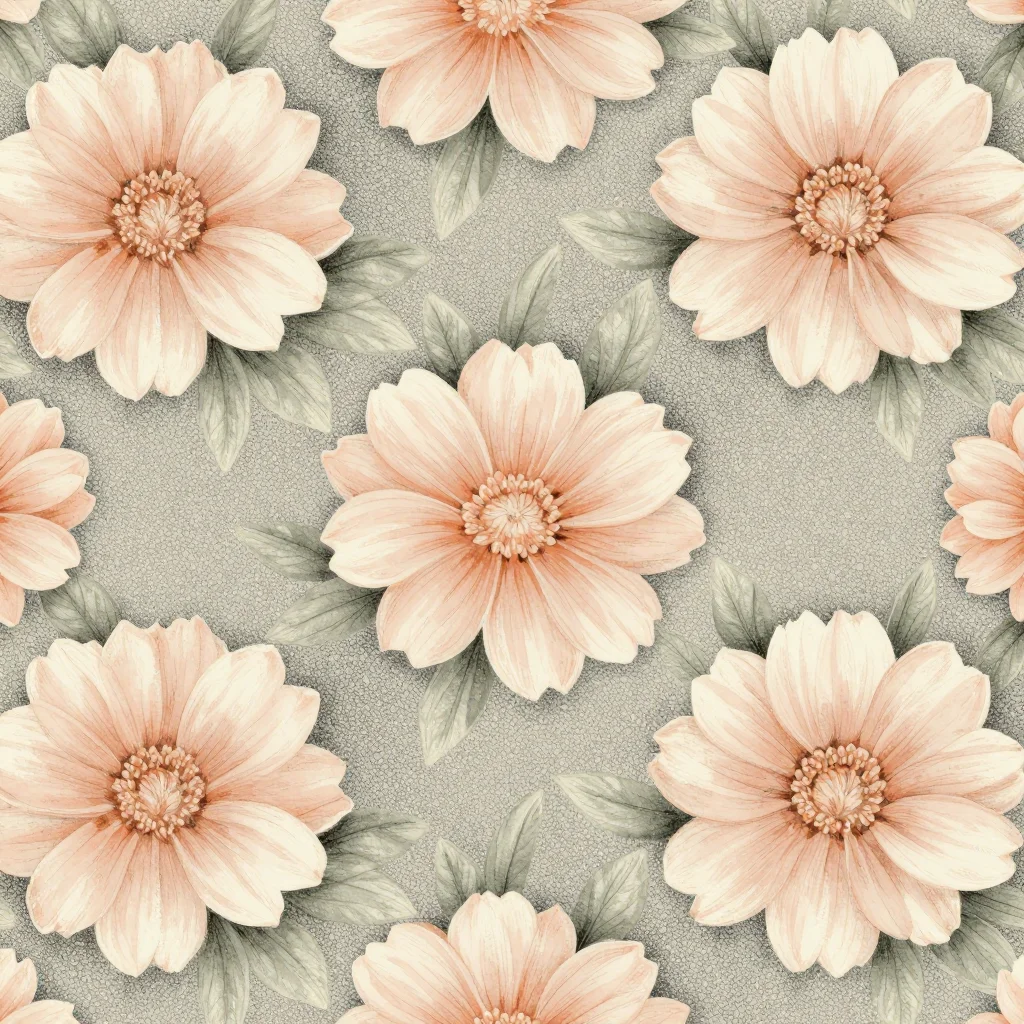
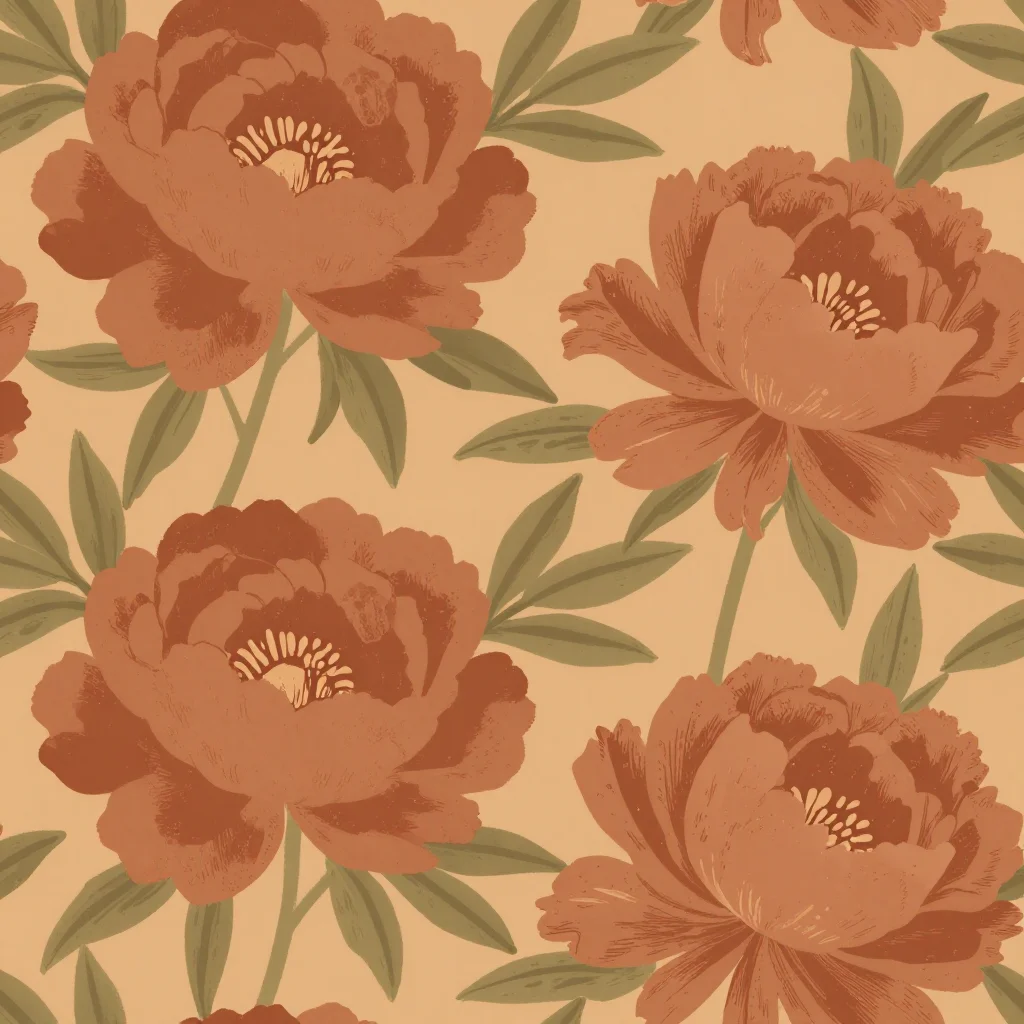
The large-scale floral is the feature wall and the maxi dress: two or three blooms to the width of the cloth, drawn big enough that the repeat is felt rather than counted, petals running off the edge to rejoin on the other side. These nine render a single bloom, a clustered pair, and an edge-cropped bloom across three colourways. Ask for a different flower, like a peony, and the same three colourways carry it.
- a feature wallpaper wall
- a maxi dress or curtain fabric print
- a large-format poster print
- a headboard or panel print
- a phone wallpaper
Frequently asked questions
- What size and format do these print at?
- Each pattern is a seamless square tile at even resolution, built to scale up cleanly to feature-wall or curtain-drop size without the repeat looking tiled.
- Can I get a different flower, like a peony?
- Yes — the direction field takes any single large bloom, and the same three colourways render it.
- What's the difference between the three scales?
- Single bloom repeats one flower at full scale; cluster groups two or three together; cropped bloom lets the petals run off the tile edge so they rejoin across the seam.
- Will the repeat be visible up close?
- At this scale the join is deliberately part of the design — expect a bold, felt rhythm rather than a fine, invisible repeat.
About toile
This page is a showcase and a starting point: nine samples already rendered, three readings of the pack crossed with three styles, each shown at the size and ratio it was made for. Take any of them further on the wall with a few words, or ask for all nine again under your own direction; a sign-in keeps what you make, and it is free while Toile is new. The recipe behind each sample — the subject, the style, the palette, the framing — travels with the image rather than staying private to the render: it is in the alt text of every sample and in the page's own structured data, so a search engine reads the same handles a person would.