/lash-extension-maps · beauty
Lash extension map: lash styles, length map, blank map
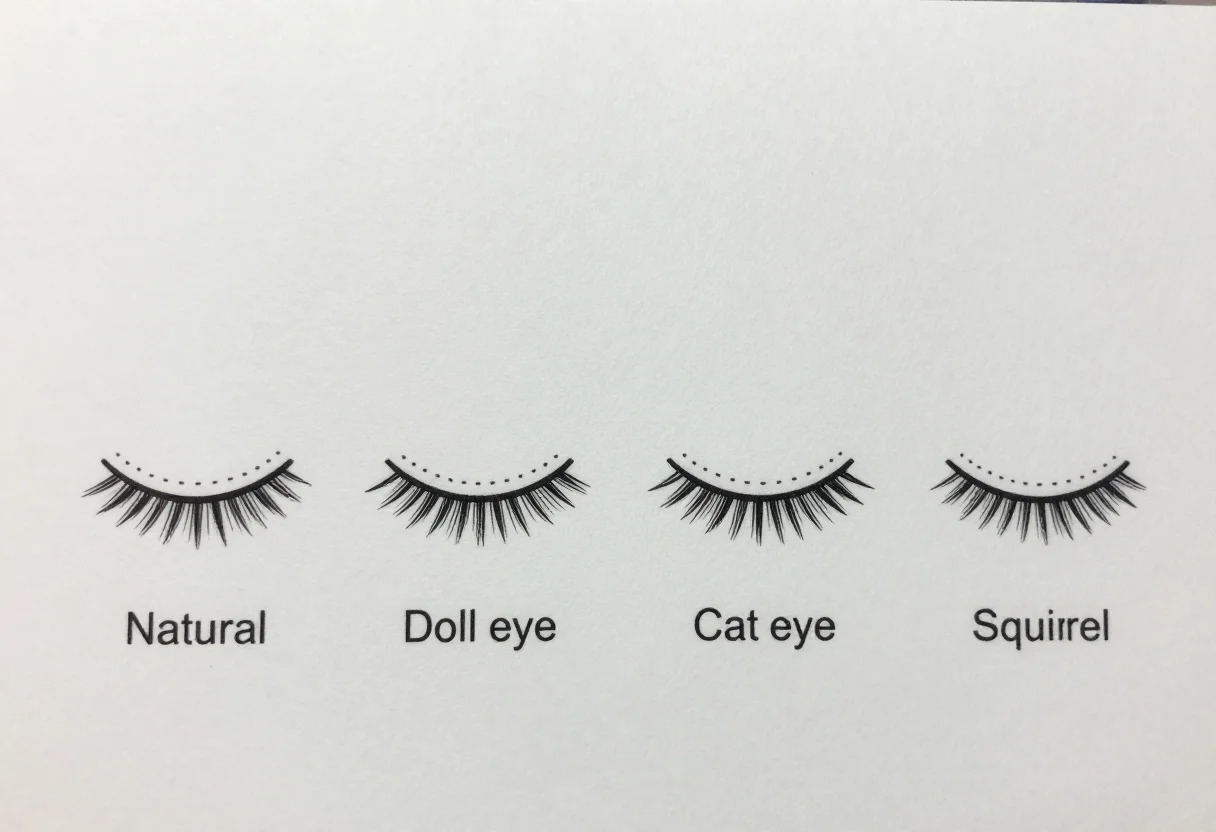
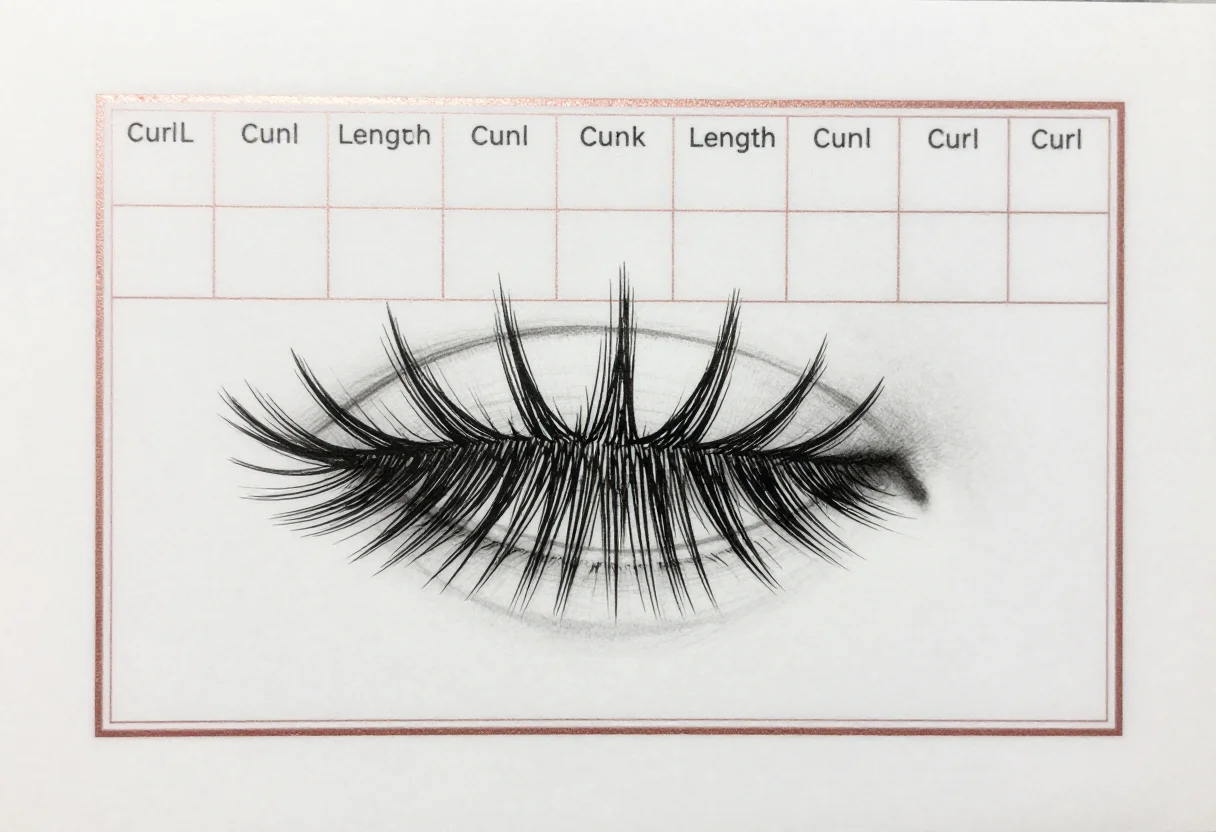
Make your ownLash extension maps
Describe yours. We'll remake the whole pack your way.
More like this
the whole catalog →
every sample — three subjects, three styles ↓
Lash techs use a lash map to plan the length at each point along the lash line, and give clients a chart to choose a style. The nine pictures show closed-eye maps with lengths from 8 to 12 millimetres, the named styles Natural, Doll eye, Cat eye and Squirrel, and a blank map to write on. Type a different subject or twist, such as wispy lashes, and the page asks for it in the same three styles.
- choosing a lash style with your tech
- planning lengths along the lash line
- a blank map to record a set
- a reference card for a lash course
Frequently asked questions
- Can I print them?
- Yes. They are drawn charts with labels, not photographs, so they print as reference sheets.
- What do the lengths mean?
- The length map divides one closed eye into five zones from inner to outer corner, labelled 8mm, 9mm, 10mm, 11mm and 12mm.
- What is the difference between the styles?
- Line map draws each lash as a single thin stroke with dotted zone borders. Color zones washes each zone in its own pale band from blush to lilac. Salon card is fine-line hair-by-hair lashes in a thin rose gold frame.
- Can I ask for a different look?
- Yes. Type a direction, such as wispy lashes, and the page asks for that look in the same three styles. It is a request, not a guaranteed result.
About toile
This page is a showcase and a starting point: nine samples already rendered, three readings of the pack crossed with three styles, each shown at the size and ratio it was made for. Take any of them further on the wall with a few words, or ask for all nine again under your own direction; a sign-in keeps what you make, and it is free while Toile is new. The recipe behind each sample — the subject, the style, the palette, the framing — travels with the image rather than staying private to the render: it is in the alt text of every sample and in the page's own structured data, so a search engine reads the same handles a person would.