/lash-maps · beauty
Lash map: zone diagram, style chart and curl chart
Make your ownLash maps
Describe yours. We'll remake the whole pack your way.
More like this
the whole catalog →
every sample — three subjects, three styles ↓
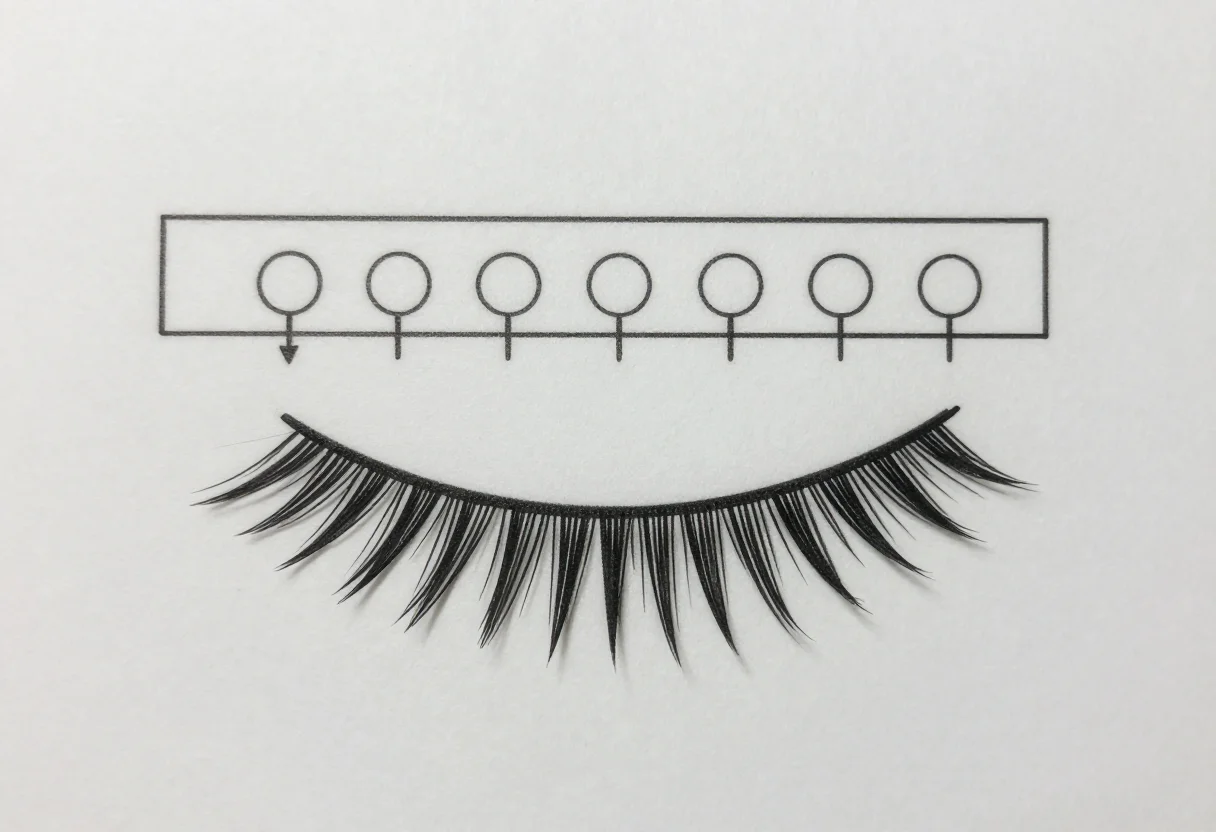
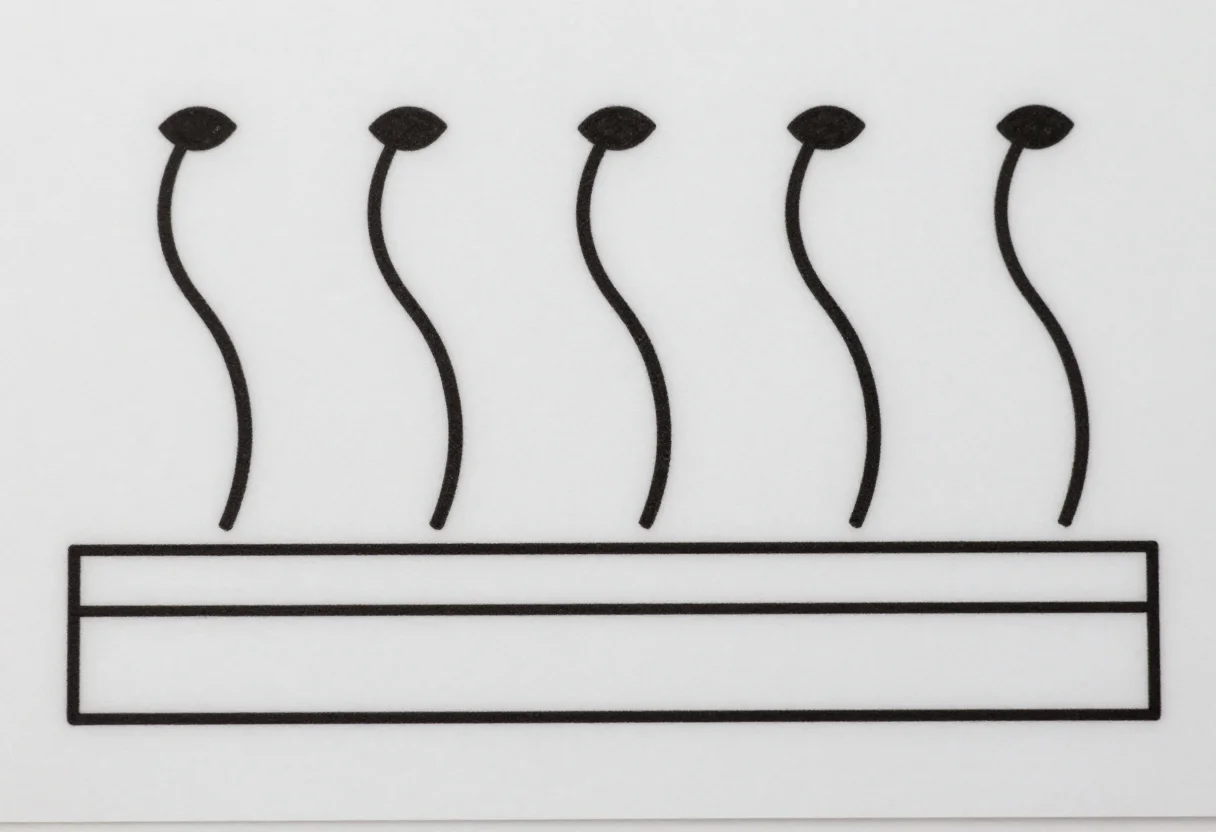
The lash tech's reference: a lash map of a closed eye divided into zones with length numbers as blank circles, a chart of lash styles — cat, doll, open — and a chart of curl shapes. Each renders in line, pastel and blackline, the diagram that hangs on the wall of every lash room. Ask for a different style set and the same three drawing styles carry it.
- a lash room wall reference
- a lash tech's client mapping template
- a lash extension training handout
- a style comparison sheet for a lash consultation
- a study sheet for a lash certification course
Frequently asked questions
- What size do these print at?
- Square proportions (1024 by 1024), sized to print clean on a standard page or card.
- Can I get different lash styles on the chart?
- Yes — the direction field takes any lash style set, and the same three chart types render it.
- Are the zone map's length numbers filled in?
- The zone map leaves the length circles blank, the way a lash tech would fill them in by hand per client.
- What's the difference between the three drawing styles?
- Line is a plain outline, pastel adds a soft colour wash, and blackline is bold black-and-white art suited to photocopying.
About toile
This page is a showcase and a starting point: nine samples already rendered, three readings of the pack crossed with three styles, each shown at the size and ratio it was made for. Take any of them further on the wall with a few words, or ask for all nine again under your own direction; a sign-in keeps what you make, and it is free while Toile is new. The recipe behind each sample — the subject, the style, the palette, the framing — travels with the image rather than staying private to the render: it is in the alt text of every sample and in the page's own structured data, so a search engine reads the same handles a person would.