/layer-cut-diagrams · beauty
Layered cut diagrams: lift angles, four layered cuts, sectioning
Make your ownLayer cut diagrams
Describe yours. We'll remake the whole pack your way.
More like this
the whole catalog →



every sample — three subjects, three styles ↓
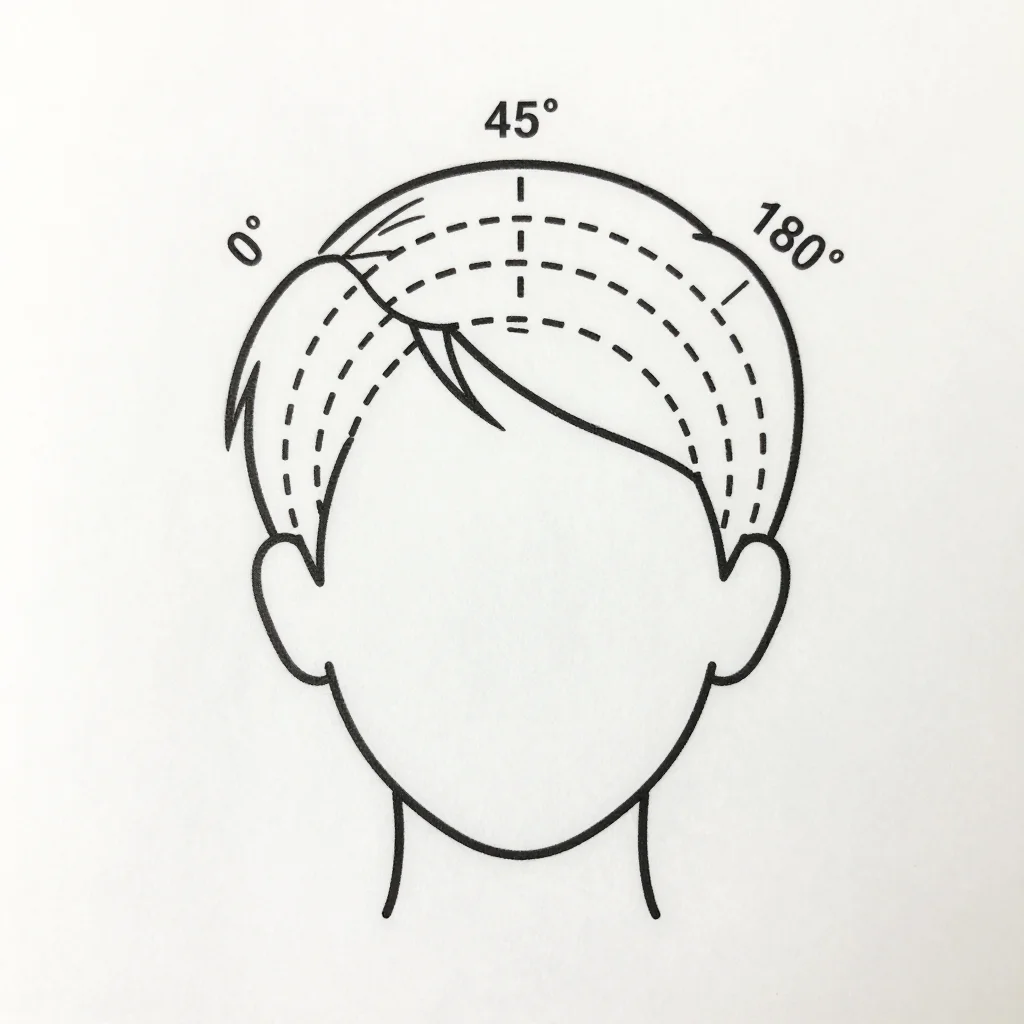
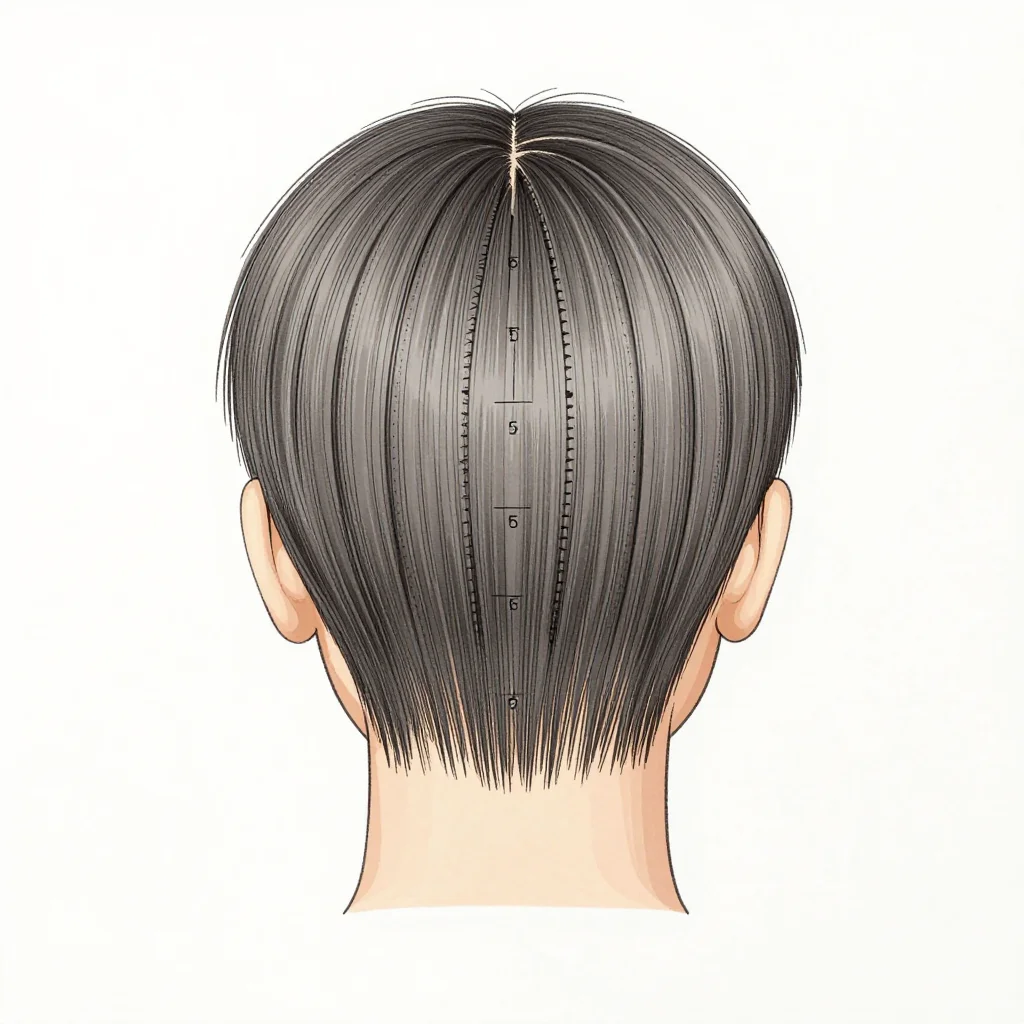
These diagrams show how layers are sectioned and lifted before cutting. One side-view head shows hair lifted at 0, 45, 90 and 180 degrees, and how each lift changes the layer. A row of four back views shows Long layers, Face-framing, Butterfly cut and Shag, with the layer lines as dashed steps. A top and back view gives the section order for a centre parting. Type a cut, such as wolf cut, and the diagram is drawn for it.
- a cosmetology class handout
- planning layers before a home trim
- a salon training wall
- checking a cut before cutting
Frequently asked questions
- Do I need to know the angles to use this?
- No. The angle drawing shows how far to lift the hair, and the finished cuts show what each lift becomes.
- Is this a full lesson in layering?
- No. It shows the sectioning and layer lines for a few common cuts, to read alongside a proper lesson.
- Can I ask for a different layered cut?
- Yes. Type the cut, such as curly layers, and the diagram is drawn for it in place of the four shown.
- What do the three styles show differently?
- The textbook style is plain black line art, the blue guides add blue lines and arrows for the angles, and the shaded version uses grey tones to show the weight of each layer.
About toile
This page is a showcase and a starting point: nine samples already rendered, three readings of the pack crossed with three styles, each shown at the size and ratio it was made for. Take any of them further on the wall with a few words, or ask for all nine again under your own direction; a sign-in keeps what you make, and it is free while Toile is new. The recipe behind each sample — the subject, the style, the palette, the framing — travels with the image rather than staying private to the render: it is in the alt text of every sample and in the page's own structured data, so a search engine reads the same handles a person would.