/lesson-plan-templates · classroom
Lesson plan template printable: daily, weekly and unit planners
Make your ownLesson plan templates
Describe yours. We'll remake the whole pack your way.
More like this
the whole catalog →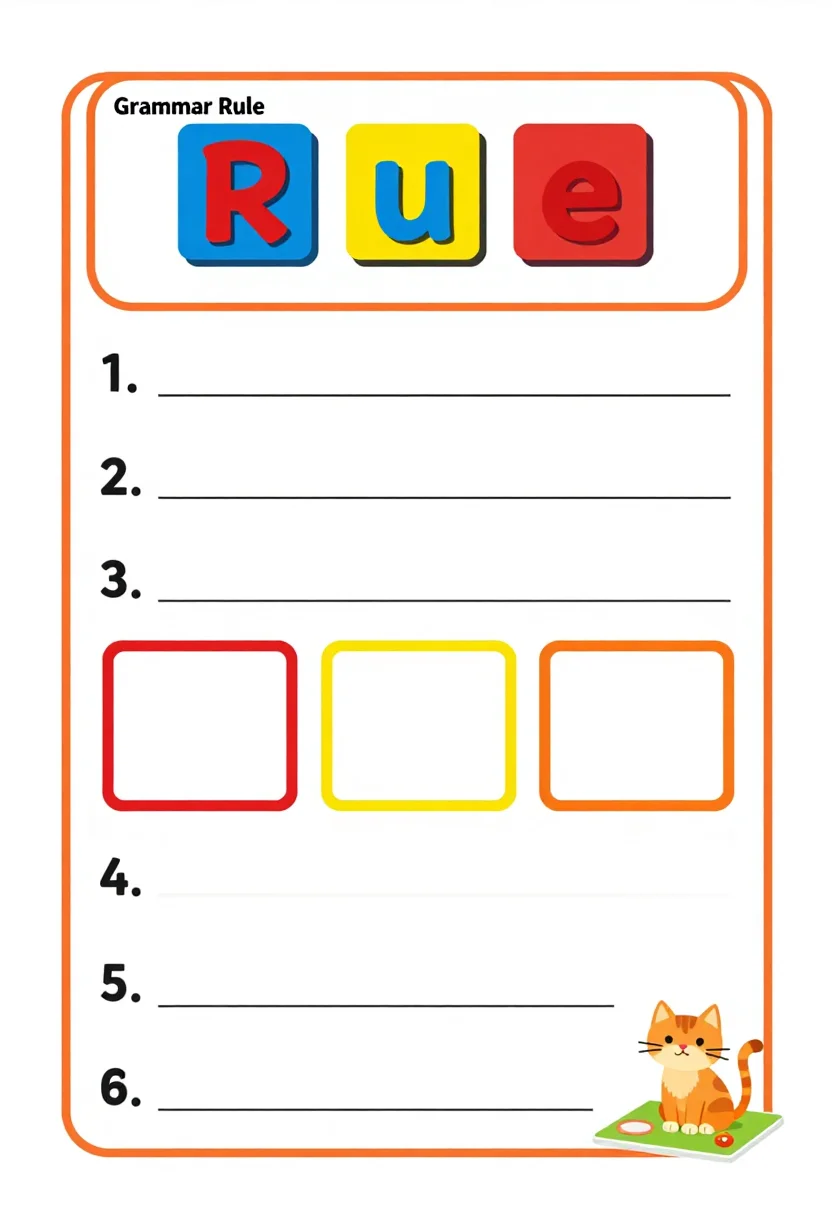

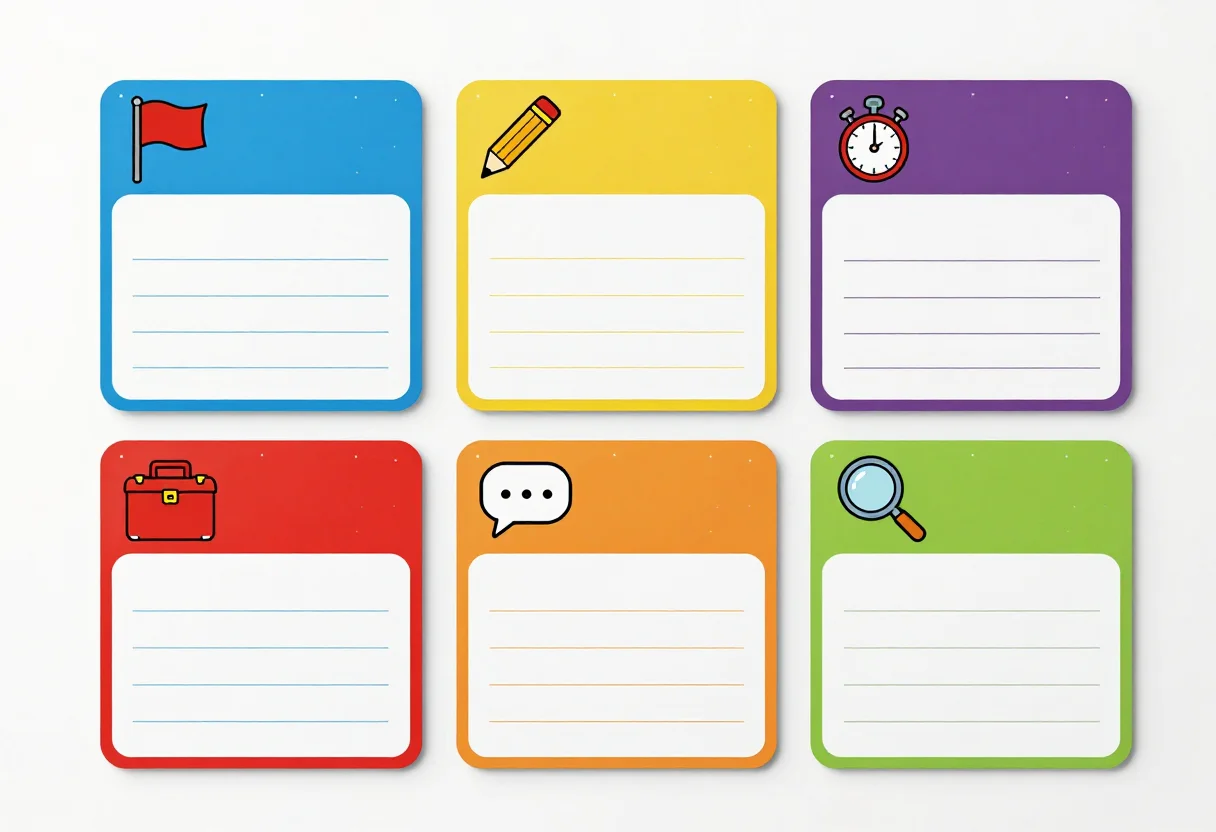
every sample — three subjects, three styles ↓
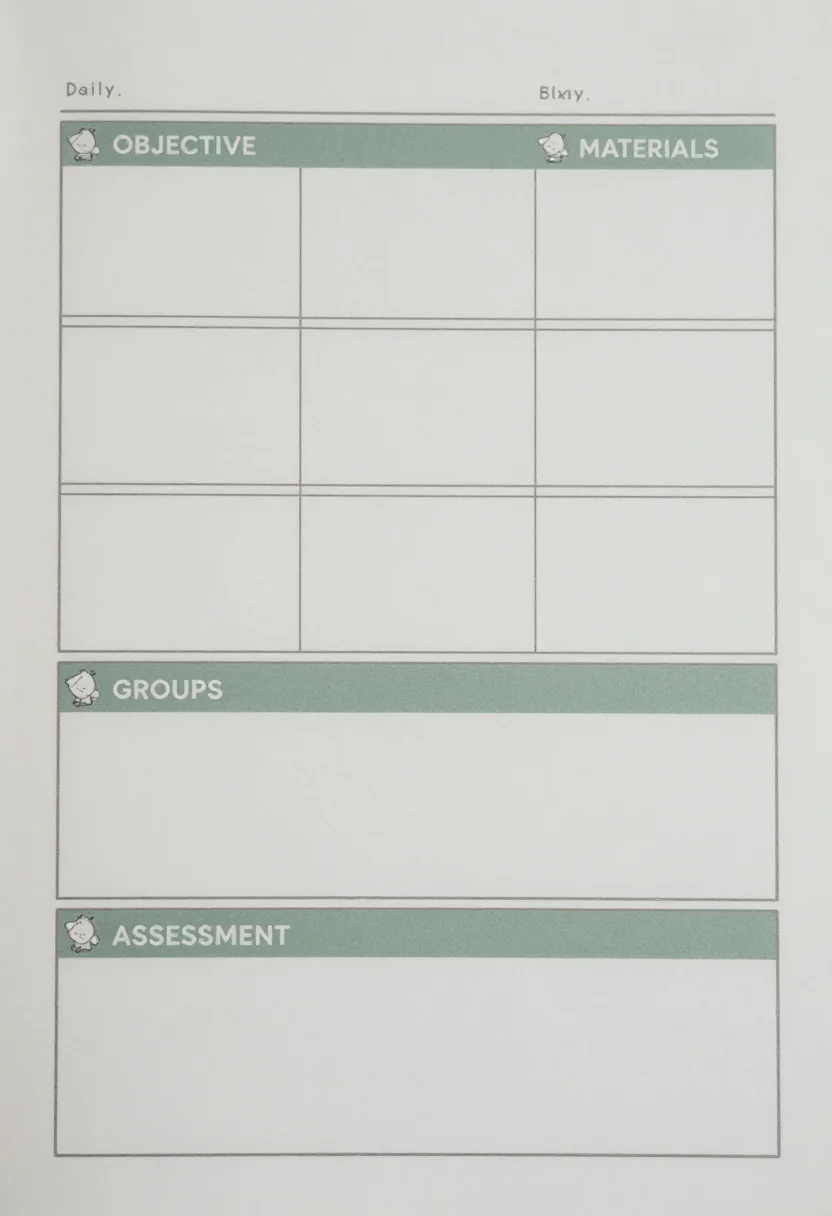
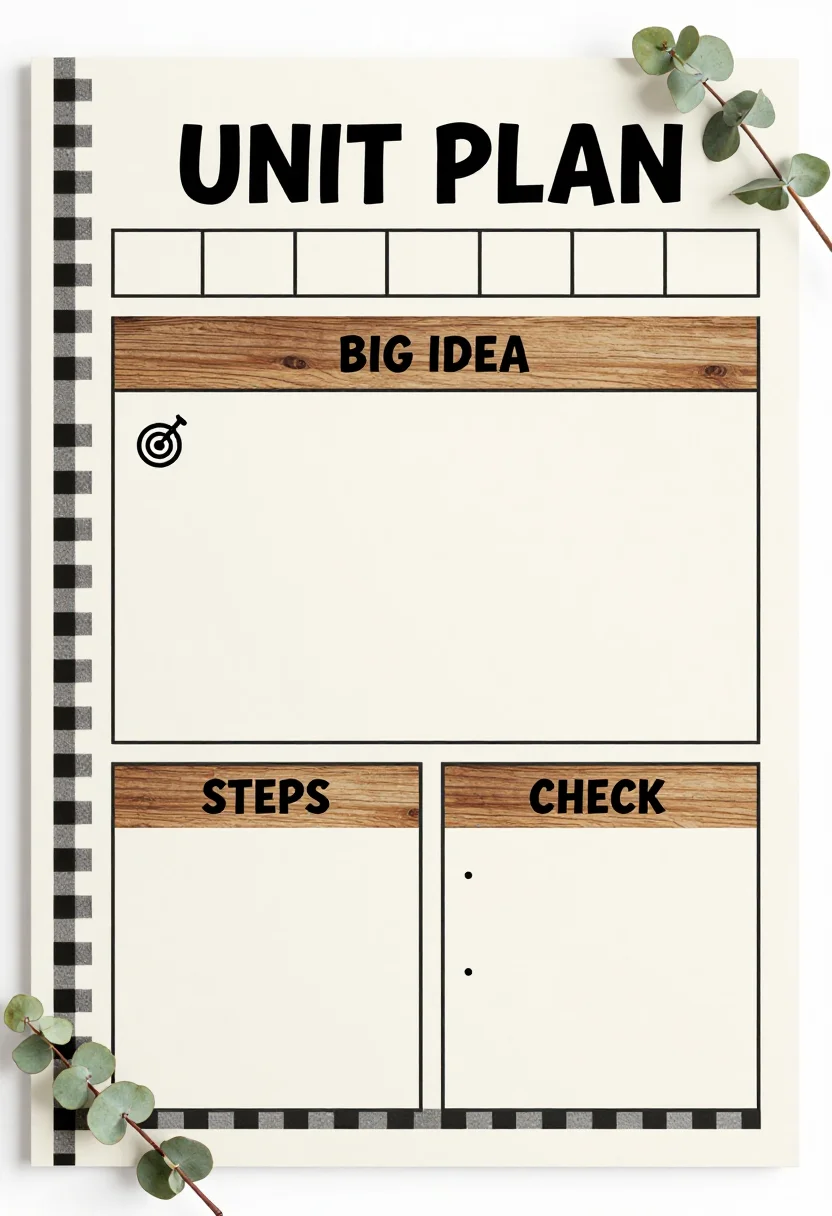
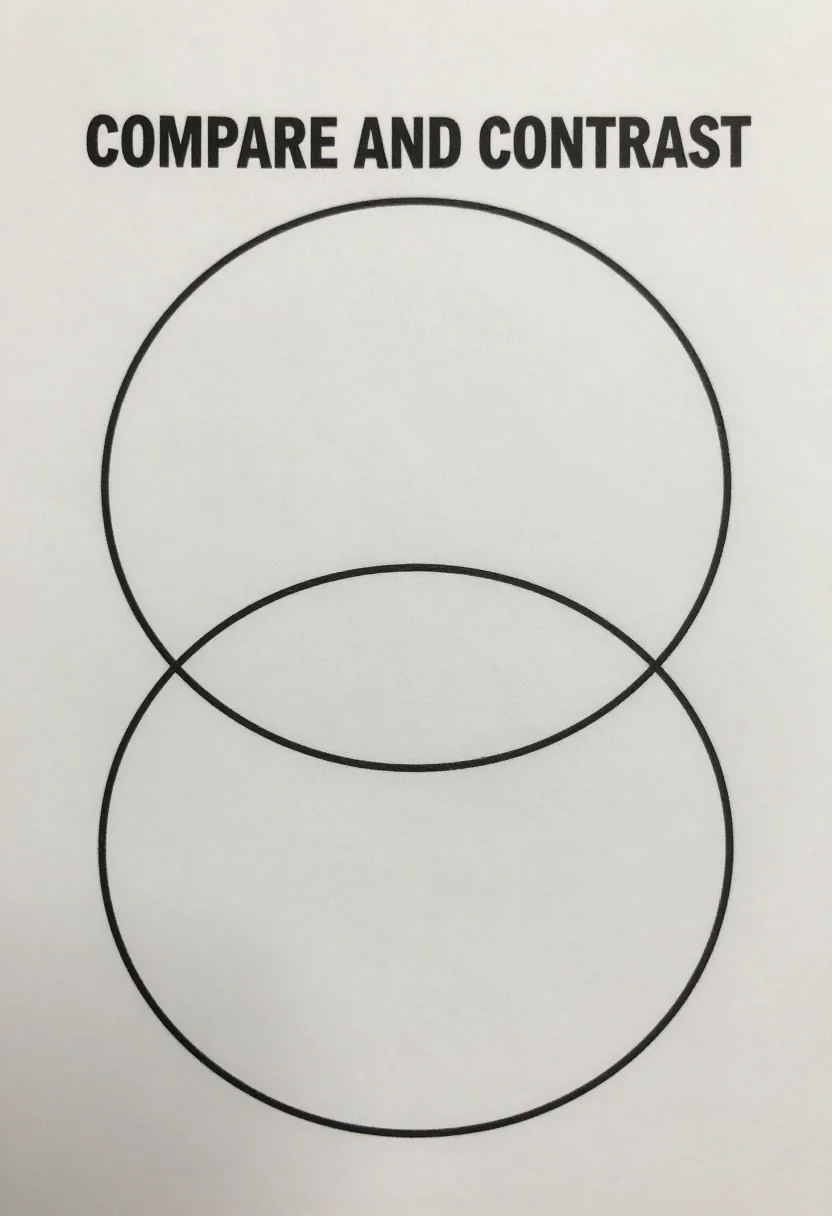
The teacher's own planning page: a daily lesson-plan page with labelled-by-icon sections, a weekly overview grid, and a unit-planner page with a timeline strip. These nine come in minimal, pastel and farmhouse looks; every section prints as a blank box headed by a small drawn icon, so any subject or section set requested redraws the same three planner formats.
- a teacher's daily lesson planner
- a weekly classroom overview binder
- a unit-planning timeline page
- a homeschool planning notebook
- a substitute teacher's plan handoff sheet
Frequently asked questions
- Are the section labels included?
- Each box prints with a small drawn icon and a blank heading, so a teacher can add the exact section names used.
- What's the unit-planner timeline strip for?
- A horizontal strip across the page for mapping out the unit's lessons or milestones at a glance.
- Can I get a different set of sections?
- Yes — the direction field takes any section set, and the same three planner formats redraw around it.
- What size do these print at?
- Portrait A4 proportions, sized to print and bind into a planning binder.
About toile
This page is a showcase and a starting point: nine samples already rendered, three readings of the pack crossed with three styles, each shown at the size and ratio it was made for. Take any of them further on the wall with a few words, or ask for all nine again under your own direction; a sign-in keeps what you make, and it is free while Toile is new. The recipe behind each sample — the subject, the style, the palette, the framing — travels with the image rather than staying private to the render: it is in the alt text of every sample and in the page's own structured data, so a search engine reads the same handles a person would.