/letter-writing-templates · classroom
Letter writing templates: formal letter, informal letter, envelope
Make your ownLetter writing templates
Describe yours. We'll remake the whole pack your way.
More like this
the whole catalog →
every sample — three subjects, three styles ↓
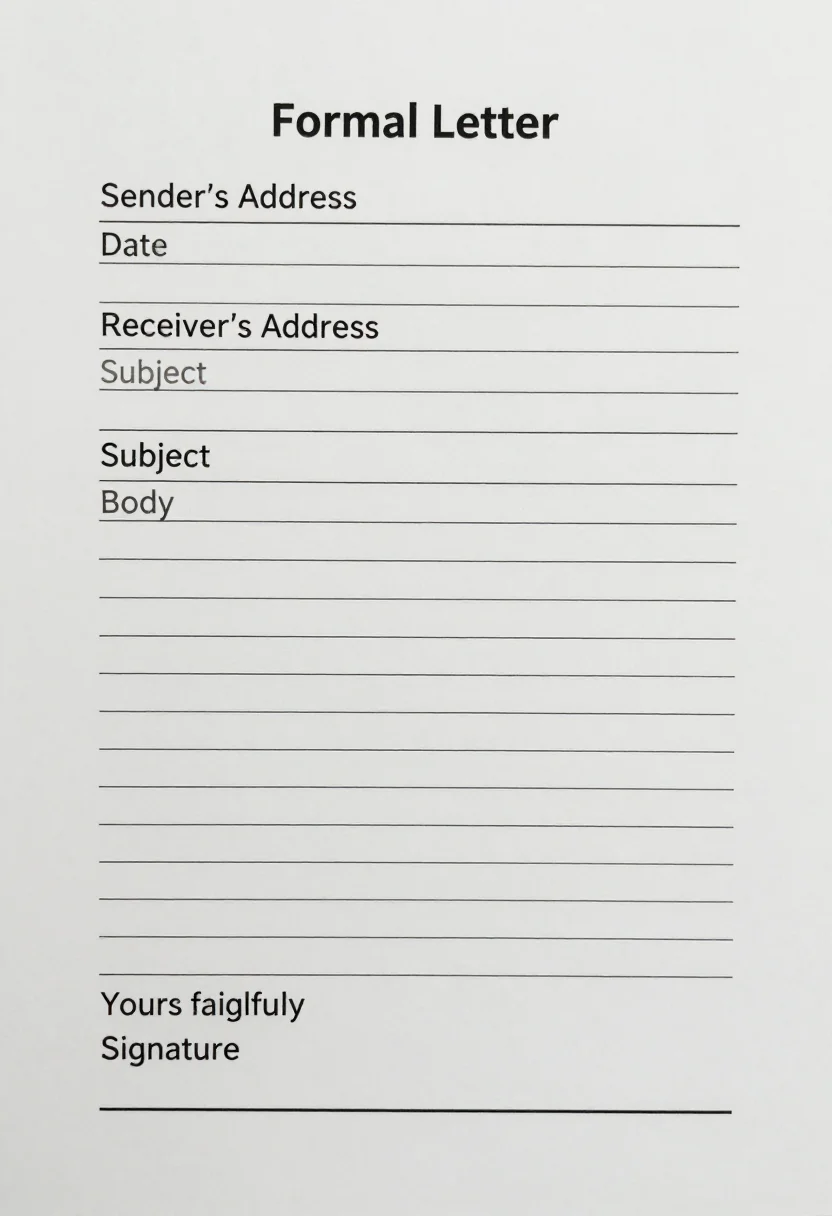
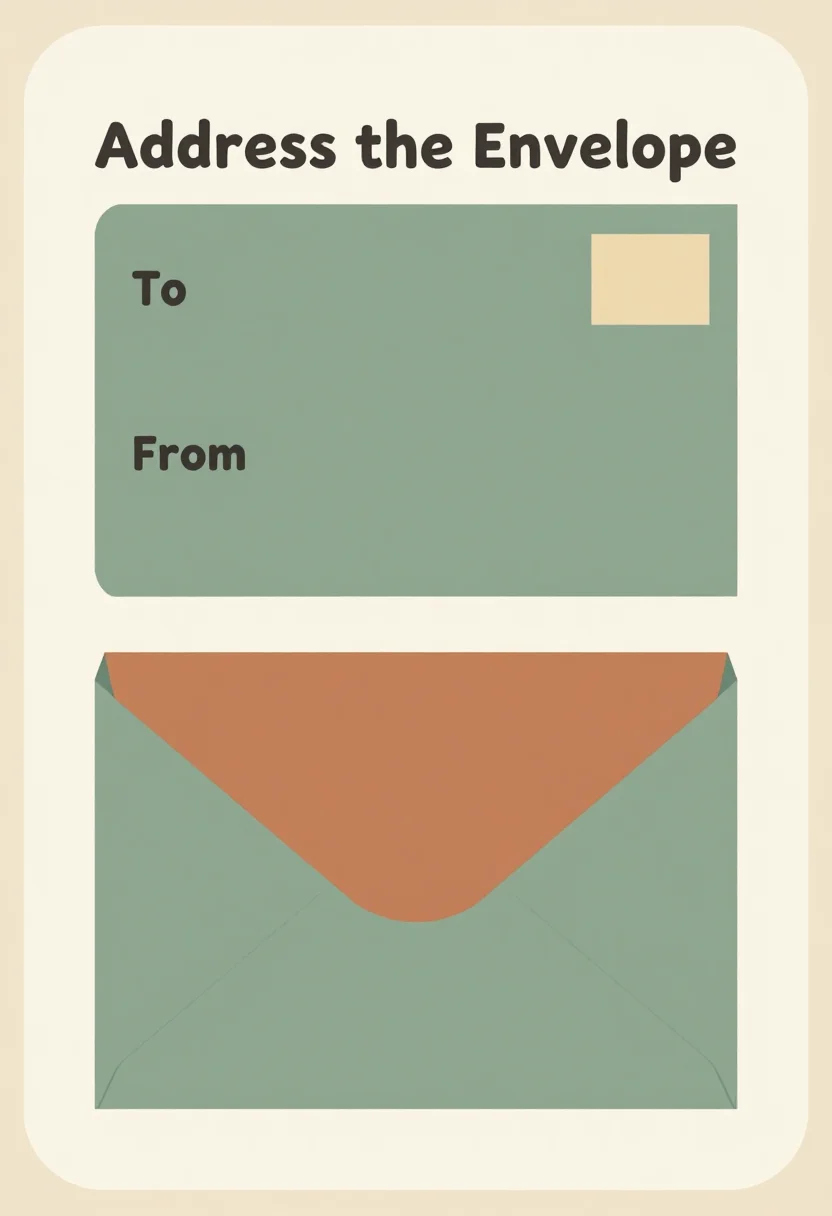
Printable letter writing templates for students practising the formal and informal letter formats taught in school and asked in exams. One is a formal letter with labelled spaces for addresses, date, subject, body and signature. One is an informal letter with fewer labelled parts. One is an envelope with a stamp box and To and From lines. Type a direction such as for grade 7, and the template is drawn for it.
- practising a formal letter for an exam
- an informal letter to a friend or relative
- addressing an envelope in a writing lesson
- a template to keep in a writing folder
Frequently asked questions
- What goes in a formal letter?
- Sender's address, date, receiver's address, subject, salutation, body, 'Yours faithfully' and signature, each in its own labelled space.
- How is an informal letter laid out?
- With spaces for address, date, 'Dear ___', body and a closing such as 'Yours lovingly' and a name, in fewer labelled parts than the formal letter.
- What is on the envelope?
- A large envelope with an empty stamp box in the corner and lines labelled To and From.
- What is the difference between the styles?
- Black and white is crisp black line on white, bright flat uses bold clean colour shapes, and soft pastel is muted with rounded shapes.
About toile
This page is a showcase and a starting point: nine samples already rendered, three readings of the pack crossed with three styles, each shown at the size and ratio it was made for. Take any of them further on the wall with a few words, or ask for all nine again under your own direction; a sign-in keeps what you make, and it is free while Toile is new. The recipe behind each sample — the subject, the style, the palette, the framing — travels with the image rather than staying private to the render: it is in the alt text of every sample and in the page's own structured data, so a search engine reads the same handles a person would.