/mehndi-designs · tattoo
Mehndi designs: paisley, peacock and mandala in three regional hands
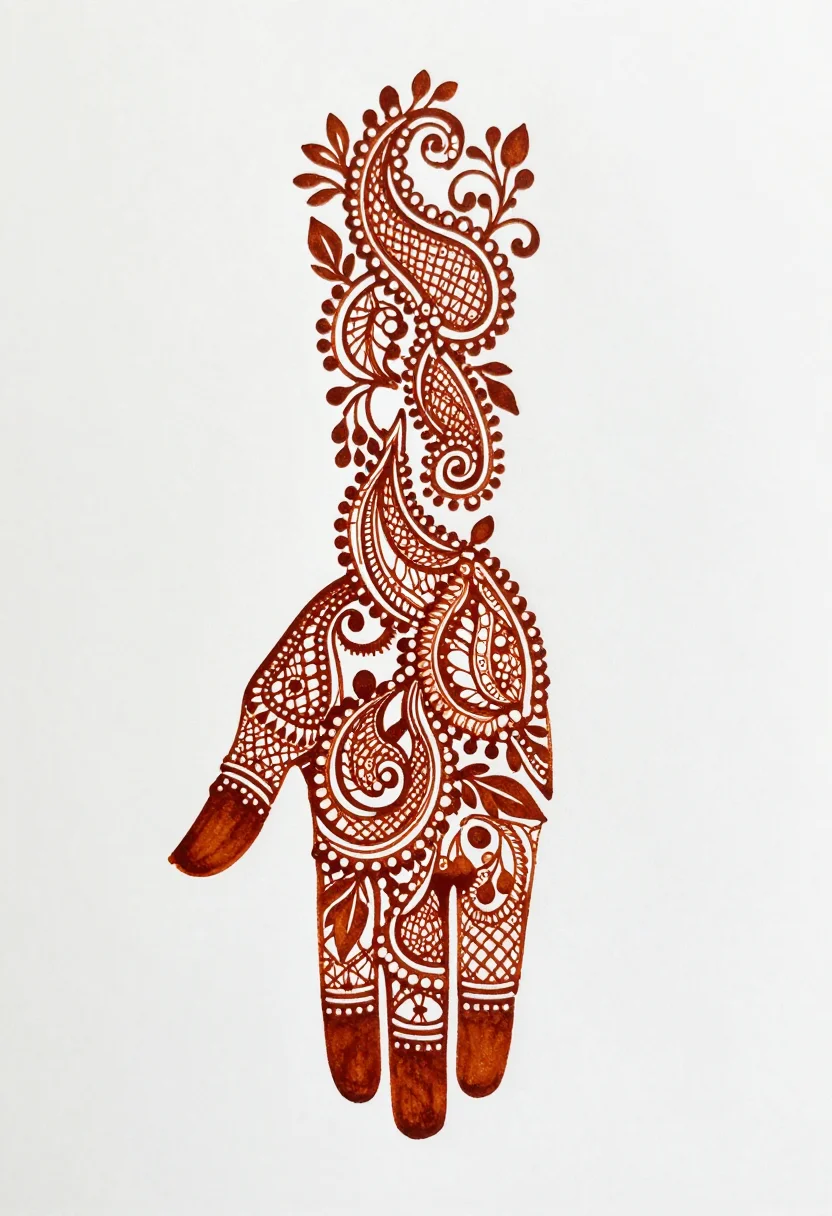
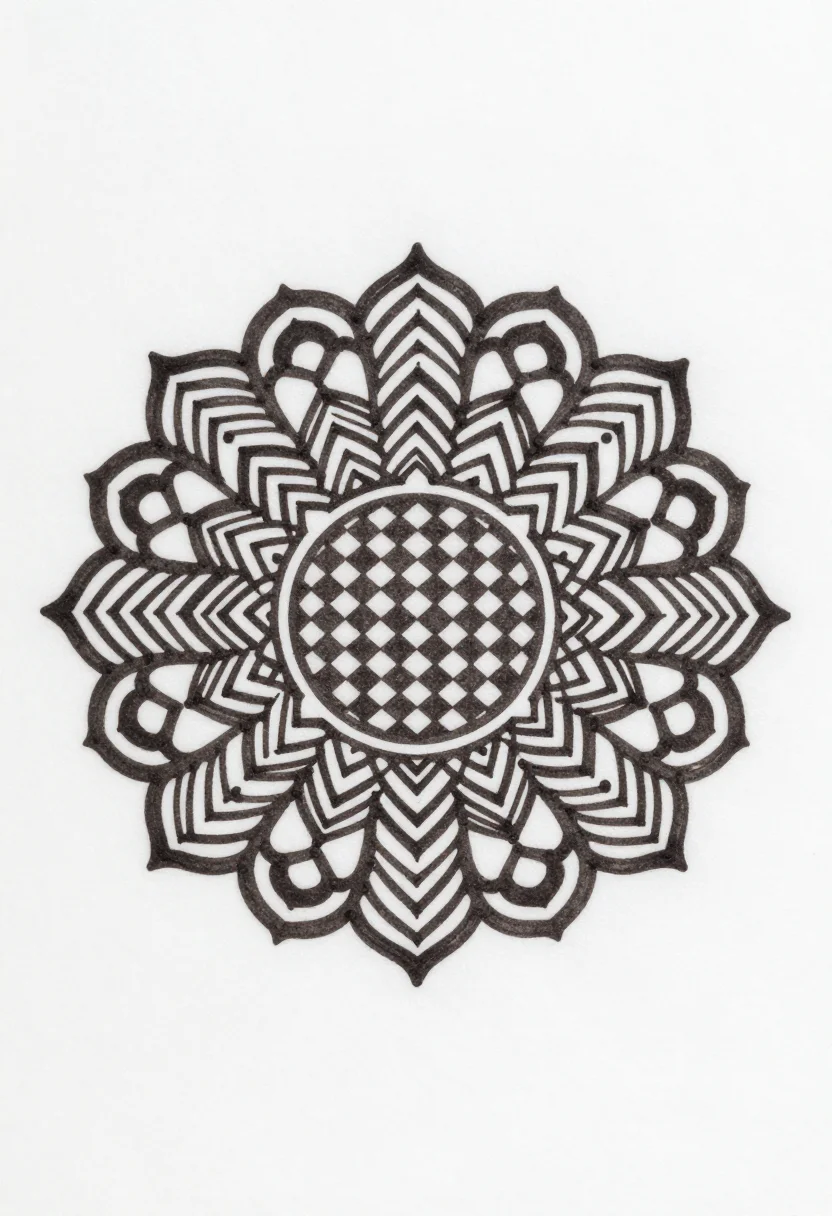
Make your ownMehndi designs
Describe yours. We'll remake the whole pack your way.
More like this
the whole catalog →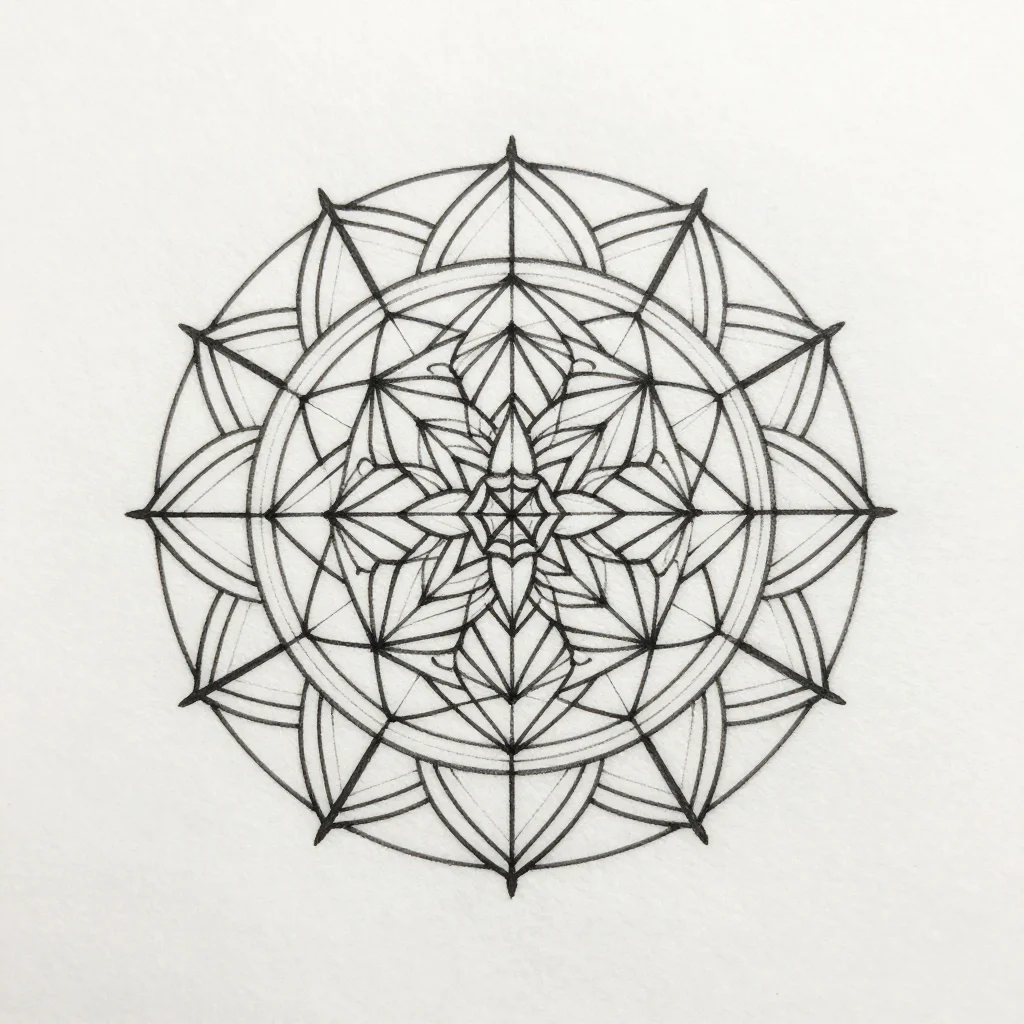
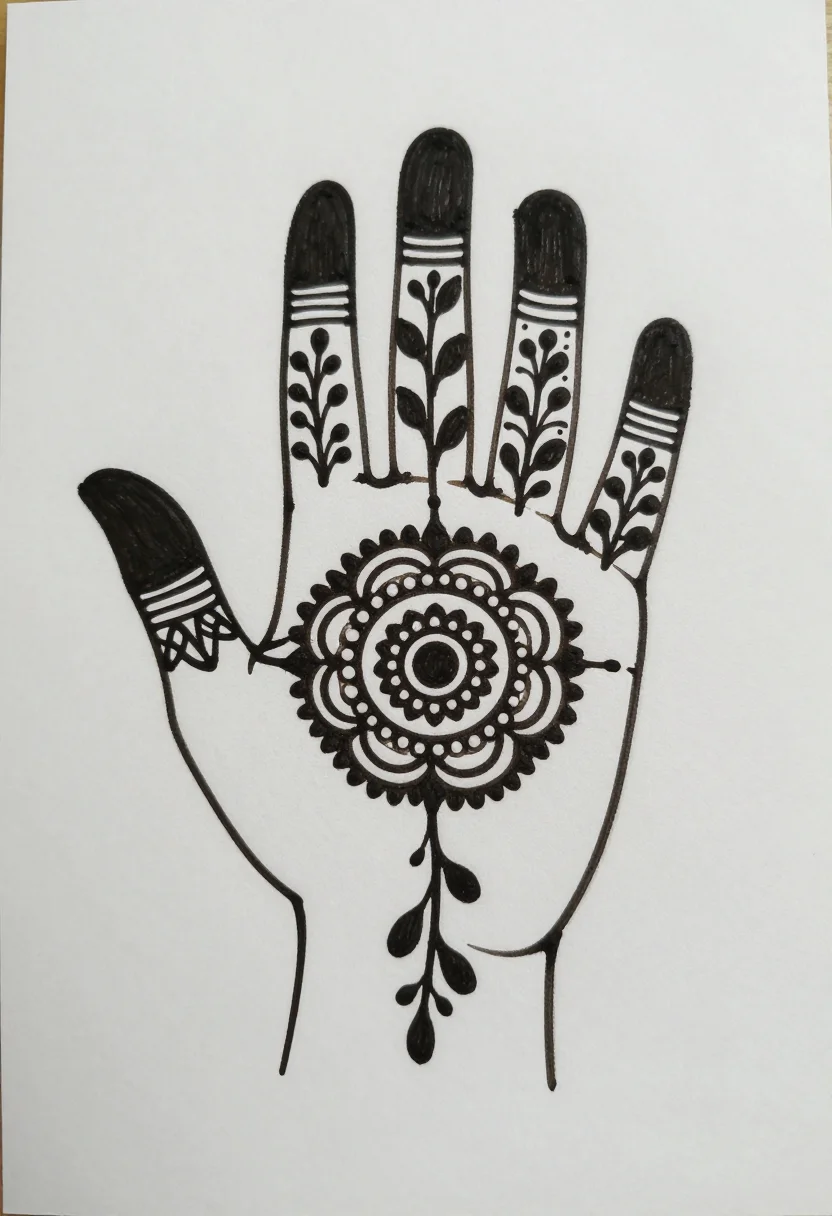
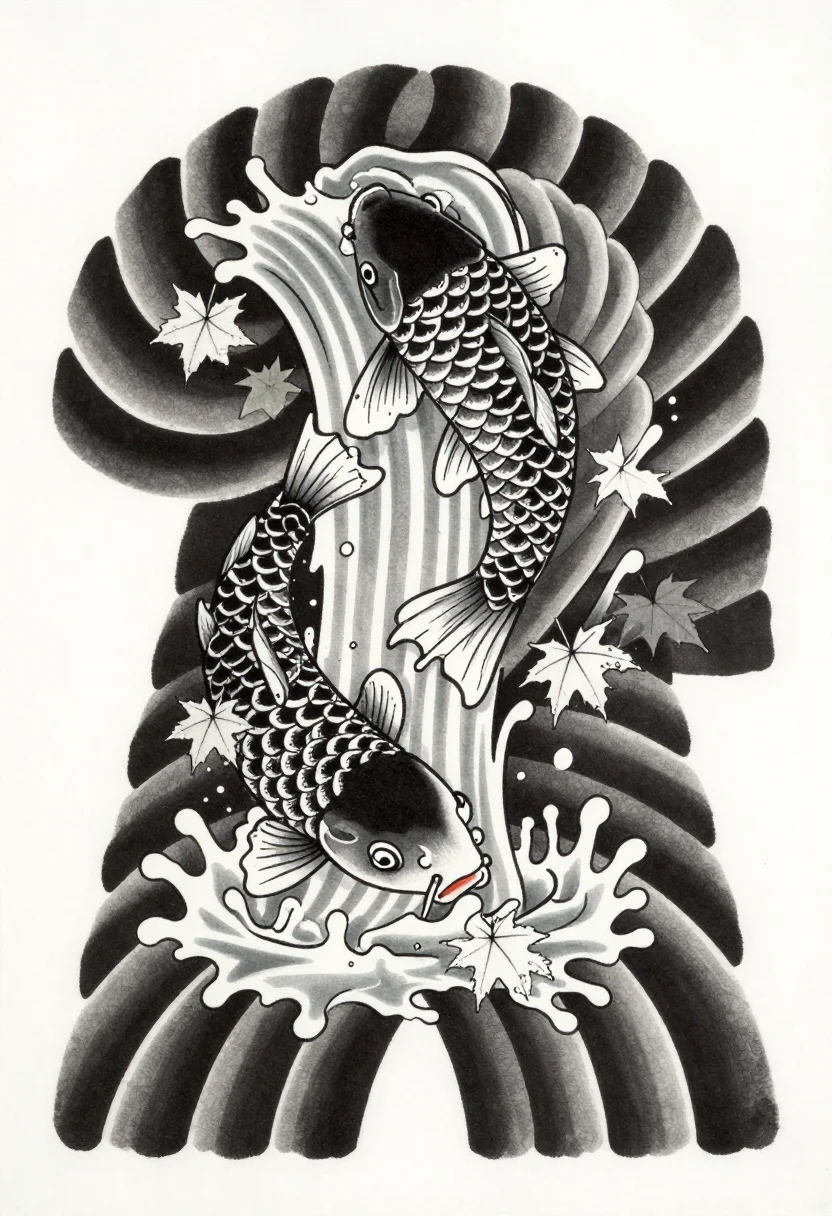
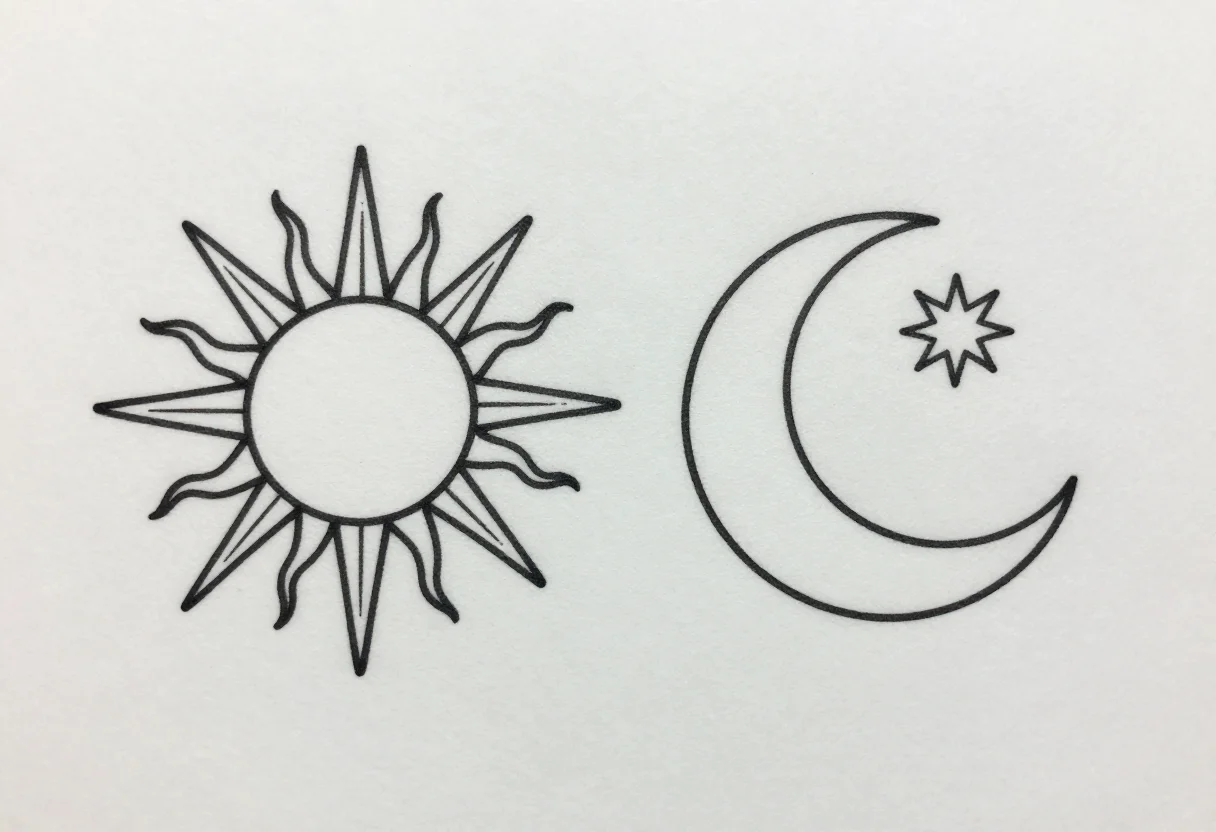
every sample — three subjects, three styles ↓
Mehndi is drawn from memory, hand to wrist. These nine are a trailing paisley band, a peacock with fanned feathers and a petal mandala, each drawn in the dense Indian bridal hand, the bold open Arabic floral hand, and the strict Moroccan geometric hand — reddish-brown or black line on a flat reference card. Ask for a different motif in the same three hands.
- a reference card for practicing a pattern
- a print to bring to a mehndi artist
- a study sheet for comparing regional styles
- a starting point for a custom motif
Frequently asked questions
- What size do these print at?
- Portrait A4 proportions with a white margin, so the card prints clean for tracing or practice.
- Is this an actual henna application?
- No — it's a flat reference drawing, not a photograph of an applied pattern. The reddish-brown line stands in for dried henna; the black-ink versions are line references only.
- Can I get a different motif in the same hand?
- Yes. Type a new motif in the direction field and the card is redrawn in the same three hands.
- What's the difference between the three hands shown?
- Indian bridal fills nearly every gap; Arabic floral is bold with open space; Moroccan geometric reduces the motif to a strict grid — the three ways the market actually names the style.
About toile
This page is a showcase and a starting point: nine samples already rendered, three readings of the pack crossed with three styles, each shown at the size and ratio it was made for. Take any of them further on the wall with a few words, or ask for all nine again under your own direction; a sign-in keeps what you make, and it is free while Toile is new. The recipe behind each sample — the subject, the style, the palette, the framing — travels with the image rather than staying private to the render: it is in the alt text of every sample and in the page's own structured data, so a search engine reads the same handles a person would.