/mehndi-practice-sheets · tattoo
Mehndi practice sheets: basic shapes, trace the hand, step by step
Make your ownMehndi practice sheets
Describe yours. We'll remake the whole pack your way.
More like this
the whole catalog →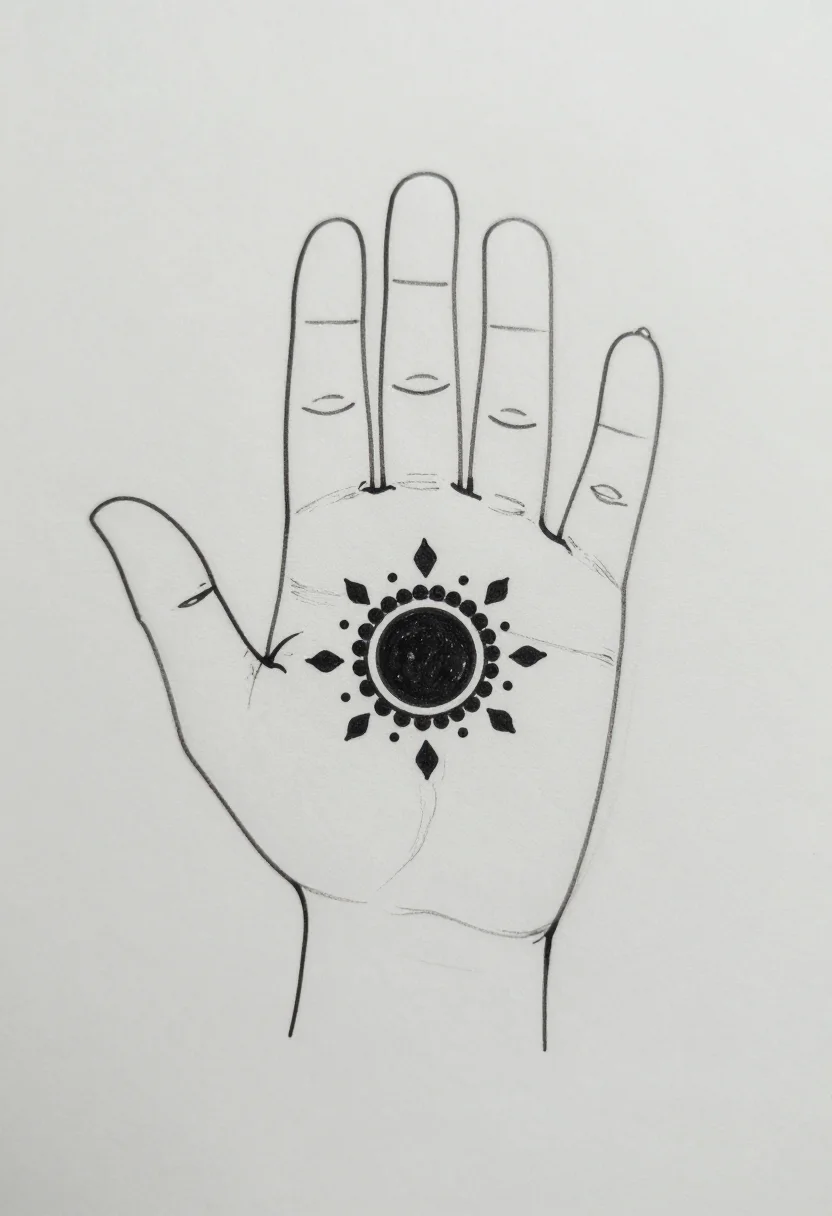
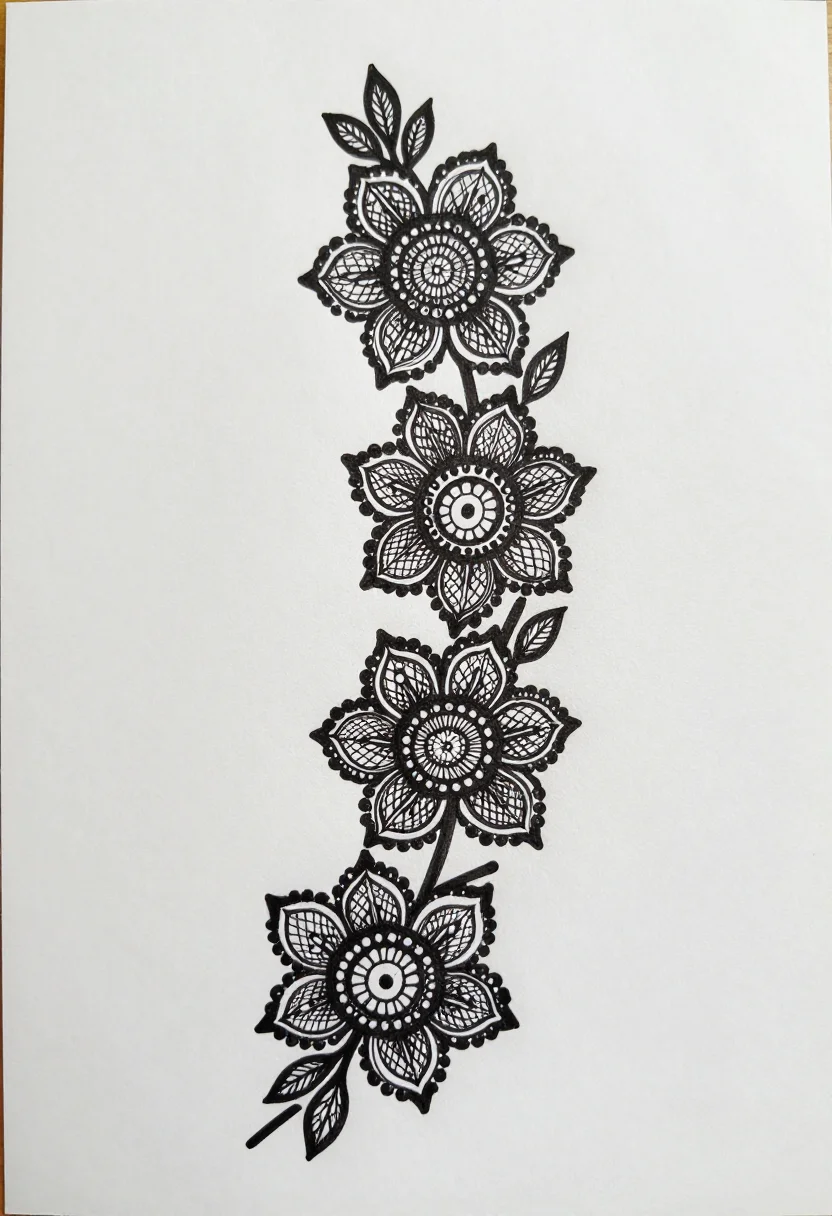
every sample — three subjects, three styles ↓
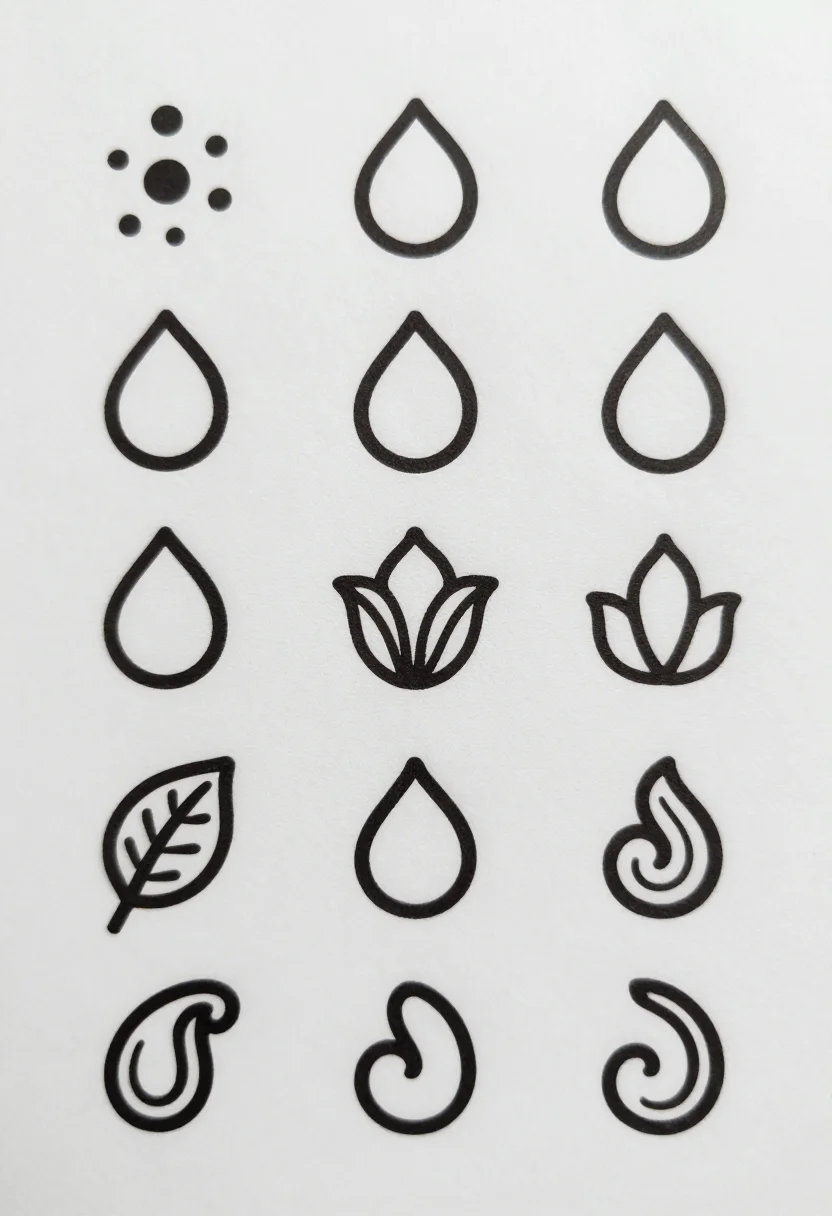
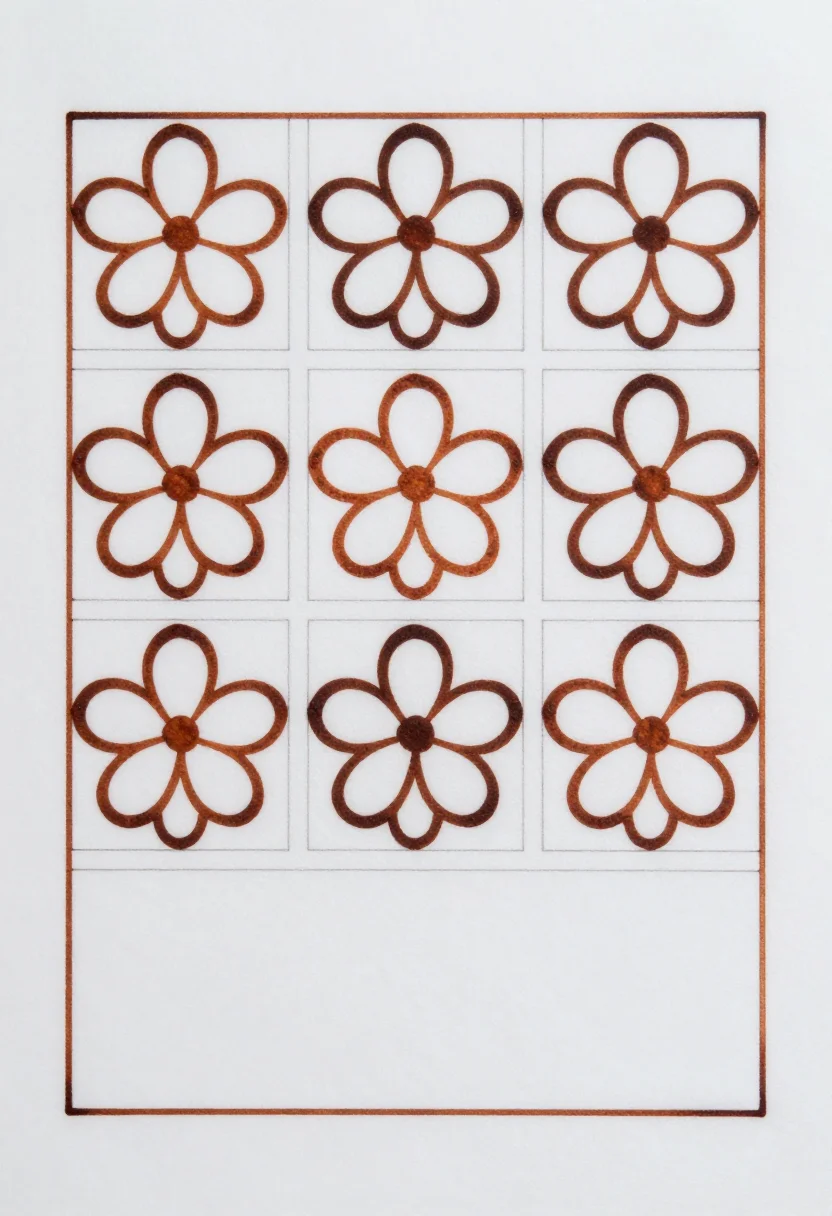
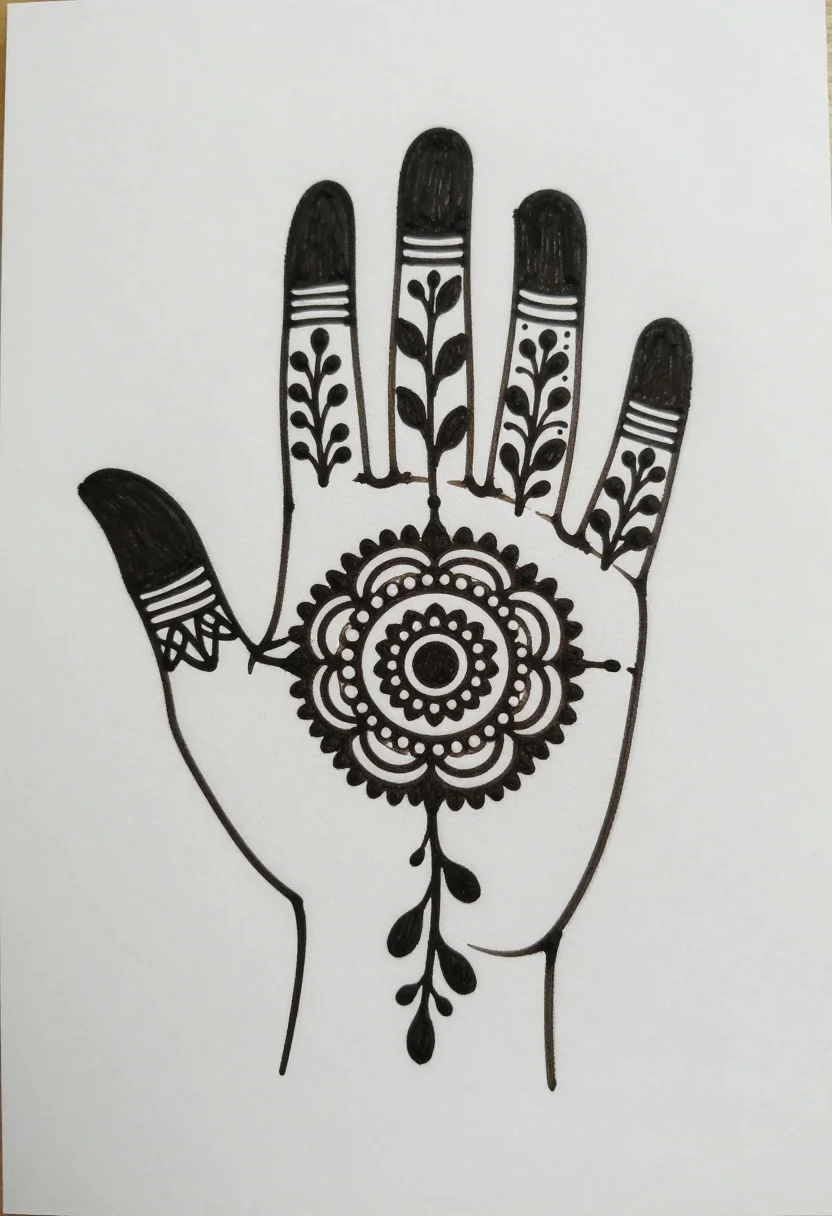
A printed page for learning to hold the cone: the basic shapes drawn once, then blank space or traced lines to repeat them. It is for beginners practicing on paper before skin. The three pages are six rows of basic shapes, a hand outline to trace beside an empty hand, and a flower built in six steps. Type a subject of your own and the page is drawn with it as a request.
- a beginner's first session with a cone
- a practice page for a child
- a worksheet for a class
- a way to repeat a shape before working on skin
Frequently asked questions
- Are these meant to be printed?
- Yes. They are flat pages on white, made to be printed and practiced on.
- What is the difference between the styles?
- Bold strokes uses large, even, rounded lines, fine strokes uses a thin line with small shapes, and henna brown shows the rounded stroke of a finished henna line.
- Can I ask for a different page?
- Yes. Type the subject you want and the page is drawn with it, as a request rather than a fixed result.
- Do I need drawing skill to use them?
- No. The shapes are drawn once for you to look at, and the blank space or tracing lines let you repeat them at your own pace.
About toile
This page is a showcase and a starting point: nine samples already rendered, three readings of the pack crossed with three styles, each shown at the size and ratio it was made for. Take any of them further on the wall with a few words, or ask for all nine again under your own direction; a sign-in keeps what you make, and it is free while Toile is new. The recipe behind each sample — the subject, the style, the palette, the framing — travels with the image rather than staying private to the render: it is in the alt text of every sample and in the page's own structured data, so a search engine reads the same handles a person would.