/memorial-cards · occasions
Memorial card template: prayer card, funeral program, bookmark
Make your ownMemorial cards
Describe yours. We'll remake the whole pack your way.
More like this
the whole catalog →
every sample — three subjects, three styles ↓
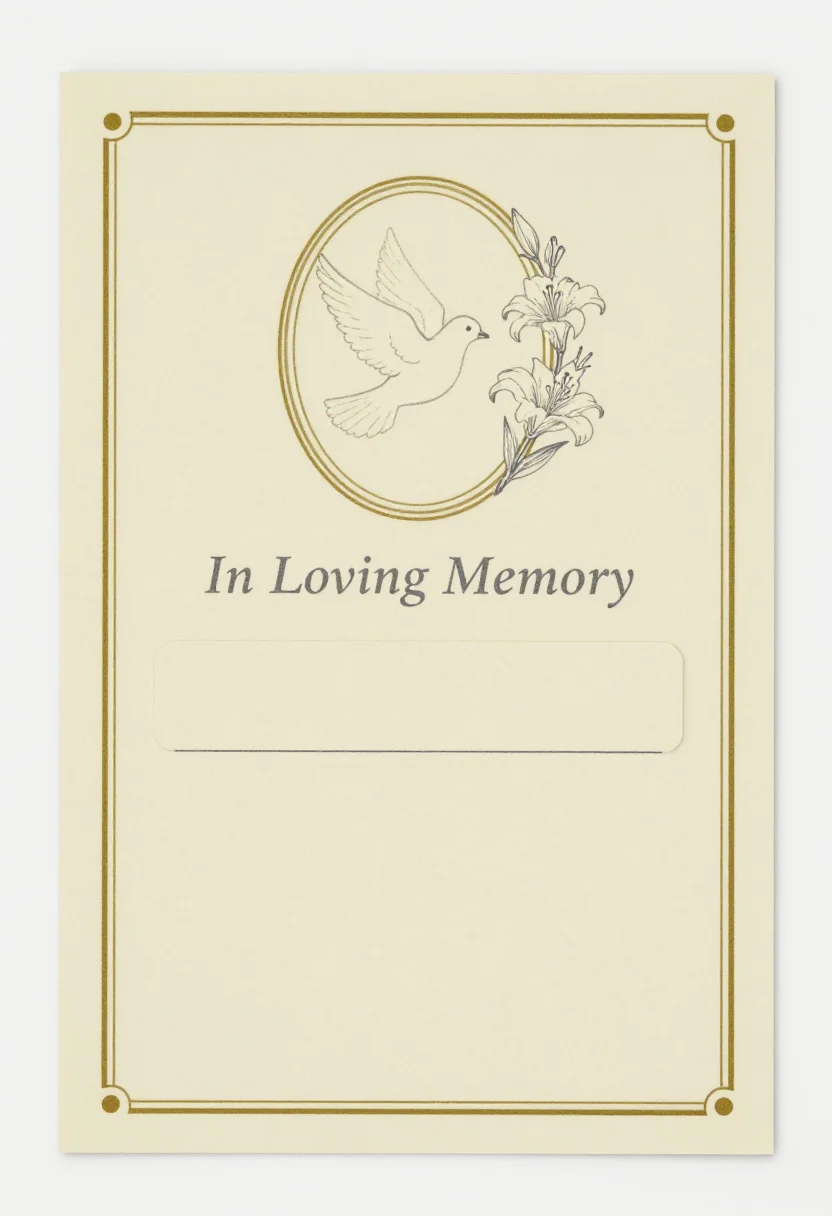
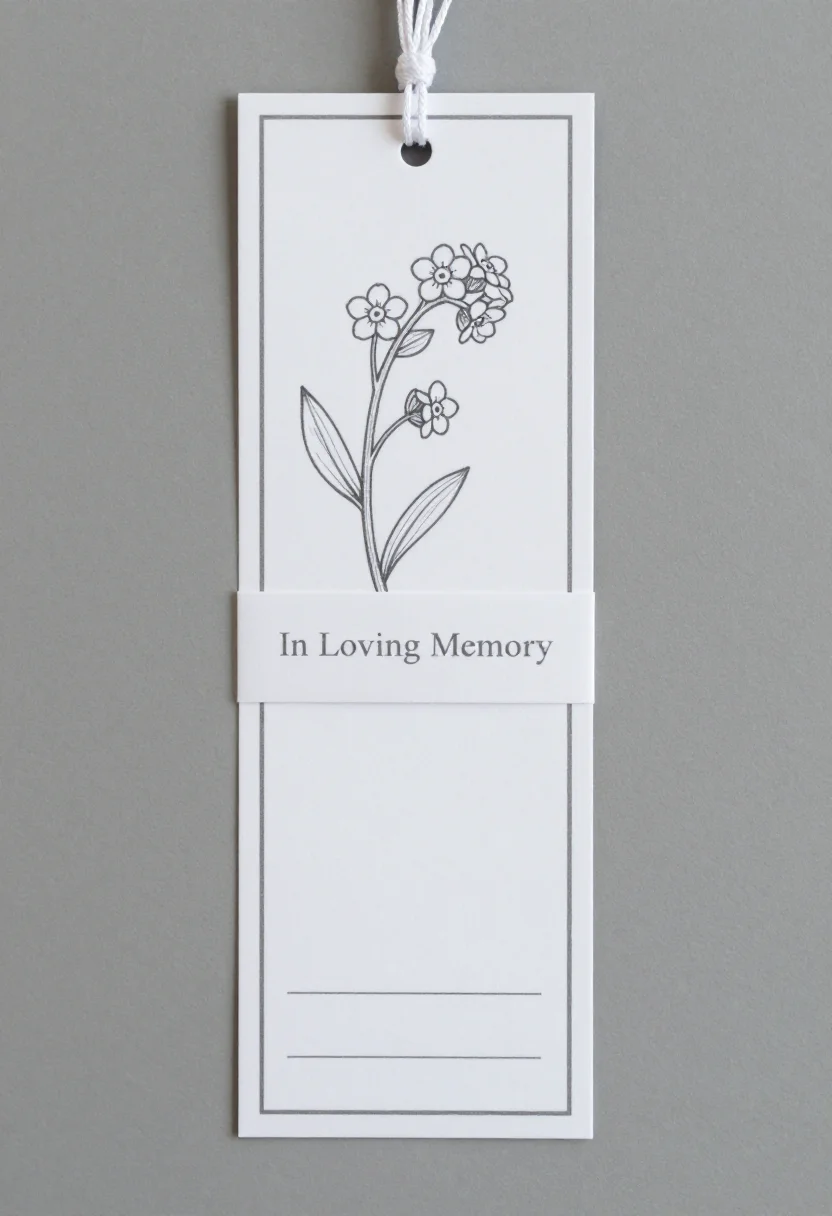
A memorial prayer card with a blank portrait oval, a funeral program cover with drawn lilies, a remembrance bookmark — the templates a family assembles quietly and quickly. These nine render each in classic, floral and minimal styles. Every portrait frame is left blank for you to add your own photo.
- a funeral or memorial service program
- a prayer card for a service
- a remembrance bookmark keepsake
- a printable memorial handout
- a family-assembled tribute card
Frequently asked questions
- What size do these print at?
- The prayer card and bookmark are drawn at standard small-card proportions; the program cover is drawn at A4/US-Letter, ready to fold.
- Is the portrait area left blank for a real photo?
- Yes — the oval or frame on each design is left blank so you can add your own family photo when you print or assemble it.
- What's the difference between the three styles?
- Classic uses traditional serif type and a quiet border; floral adds drawn lilies or greenery around the frame; minimal strips it back to clean lines and generous white space.
- Can I add a name and dates myself?
- Yes — the name and date lines are left blank on every design, ready for you to fill in by hand or with your own printer software.
About toile
This page is a showcase and a starting point: nine samples already rendered, three readings of the pack crossed with three styles, each shown at the size and ratio it was made for. Take any of them further on the wall with a few words, or ask for all nine again under your own direction; a sign-in keeps what you make, and it is free while Toile is new. The recipe behind each sample — the subject, the style, the palette, the framing — travels with the image rather than staying private to the render: it is in the alt text of every sample and in the page's own structured data, so a search engine reads the same handles a person would.