/muharram-posters · season
Muharram posters: Ashura, majlis notice, fast of Ashura
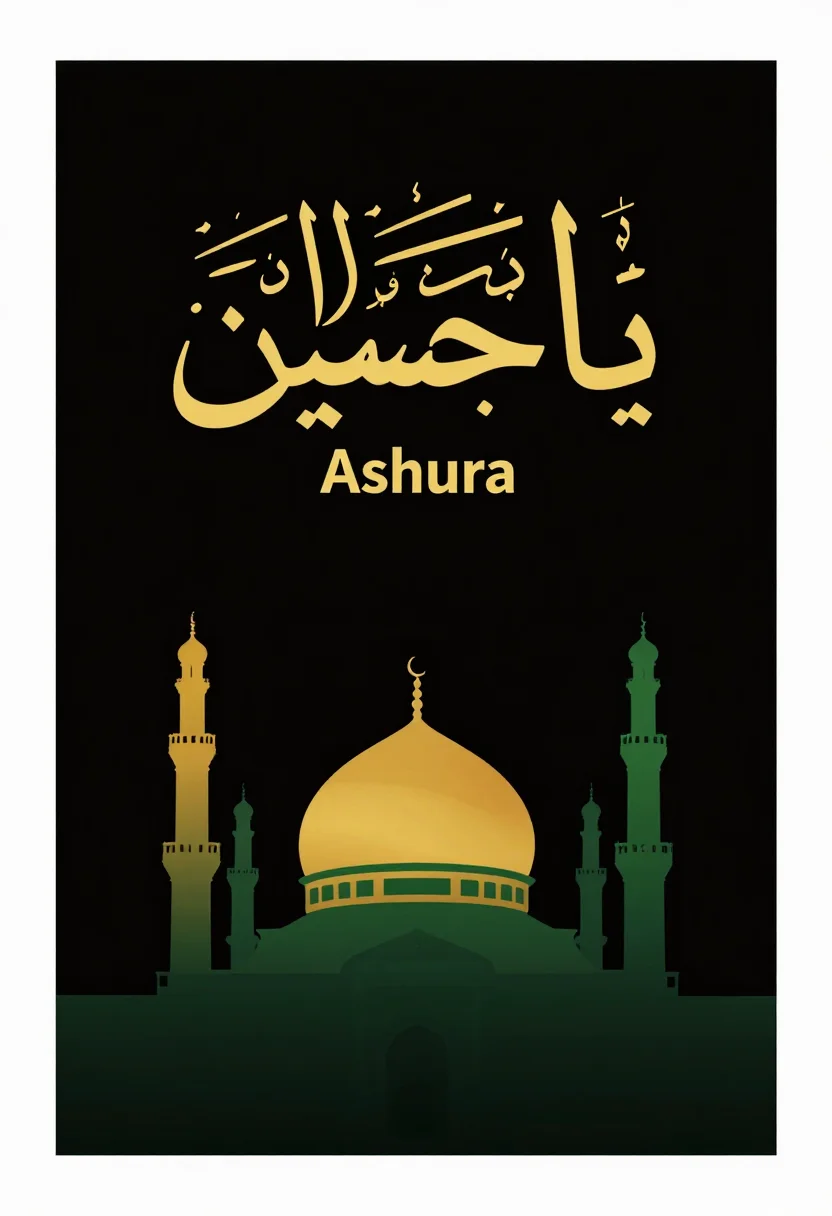
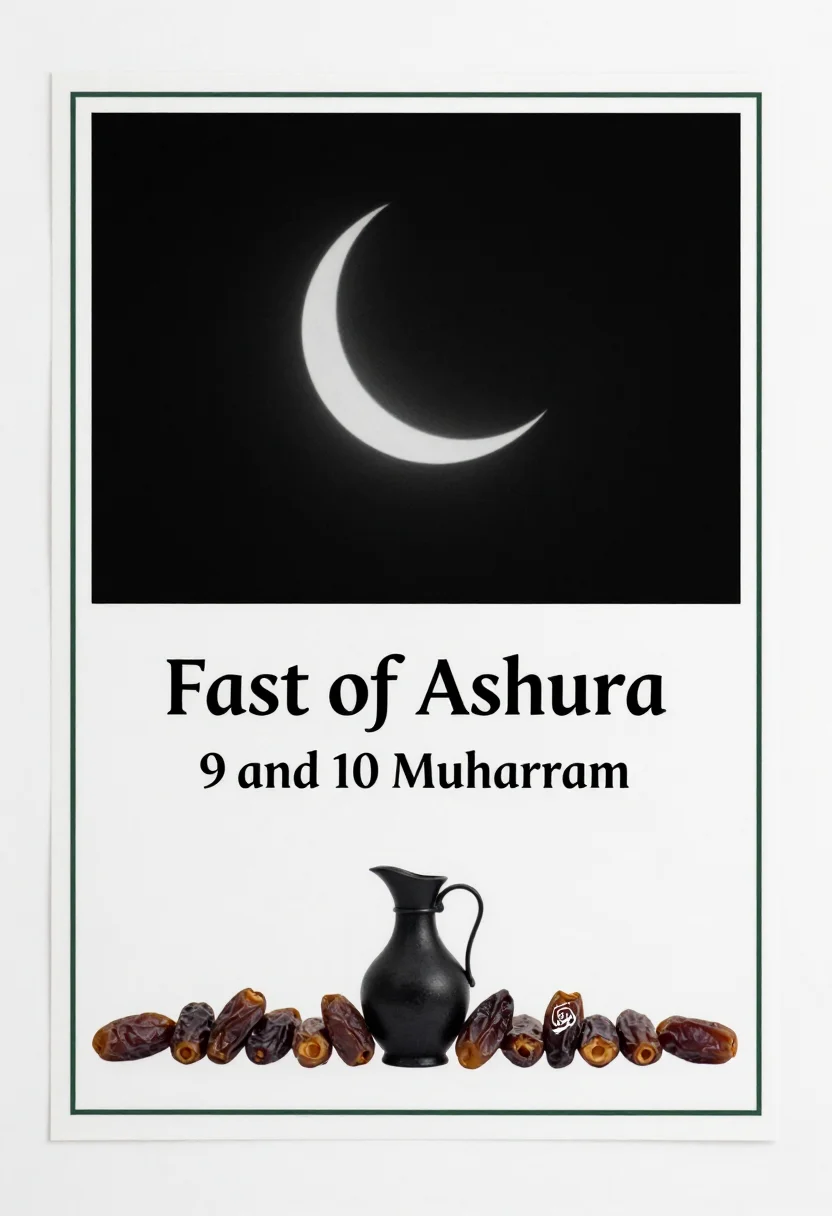
Make your ownMuharram posters
Describe yours. We'll remake the whole pack your way.
More like this
the whole catalog →

every sample — three subjects, three styles ↓
Posters for Muharram, the first month of the Islamic year, when Shia communities mourn Imam Husayn and the martyrs of Karbala through the first ten days, and many Muslims fast on the ninth and tenth. The words are in Arabic and English, in a tone of remembrance rather than celebration. Choose calligraphy, flat vector or white paper. Type a different motif, such as a green banner, an alam or a candle, and the treatments follow the request.
- a majlis notice for a community hall
- a remembrance poster for a community center
- a notice for the days of the fast
- a printed sign for a prayer room noticeboard
Frequently asked questions
- What words are on the posters?
- Ya Husayn in Arabic over the Ashura poster; an Arabic salutation on the majlis notice, with a blank panel for date, time and place; and Fast of Ashura with 9 and 10 Muharram on the third.
- Are there celebration images?
- No. The posters use a black or deep green ground, a shrine silhouette, a crescent in a night sky, dates and a water jug. They have no figures and no faces.
- How do the styles differ?
- Calligraphy is large flowing Arabic lettering in gold on black, flat vector uses black, white and one deep green, and white paper is a plain printed notice with a thin black border.
- Can I ask for another motif?
- Yes. Type a motif as a direction; the design follows the request and is not a guaranteed result.
About toile
This page is a showcase and a starting point: nine samples already rendered, three readings of the pack crossed with three styles, each shown at the size and ratio it was made for. Take any of them further on the wall with a few words, or ask for all nine again under your own direction; a sign-in keeps what you make, and it is free while Toile is new. The recipe behind each sample — the subject, the style, the palette, the framing — travels with the image rather than staying private to the render: it is in the alt text of every sample and in the page's own structured data, so a search engine reads the same handles a person would.