/nikah-cards · faith
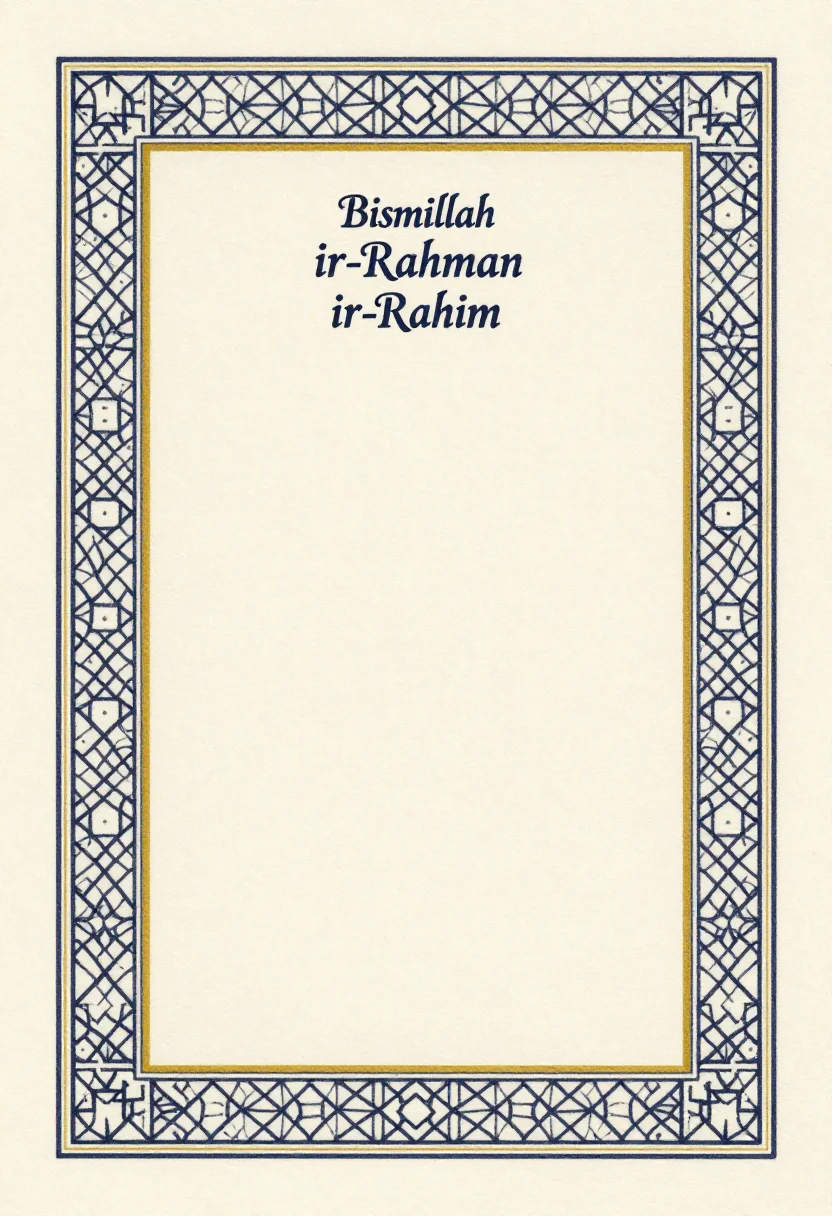
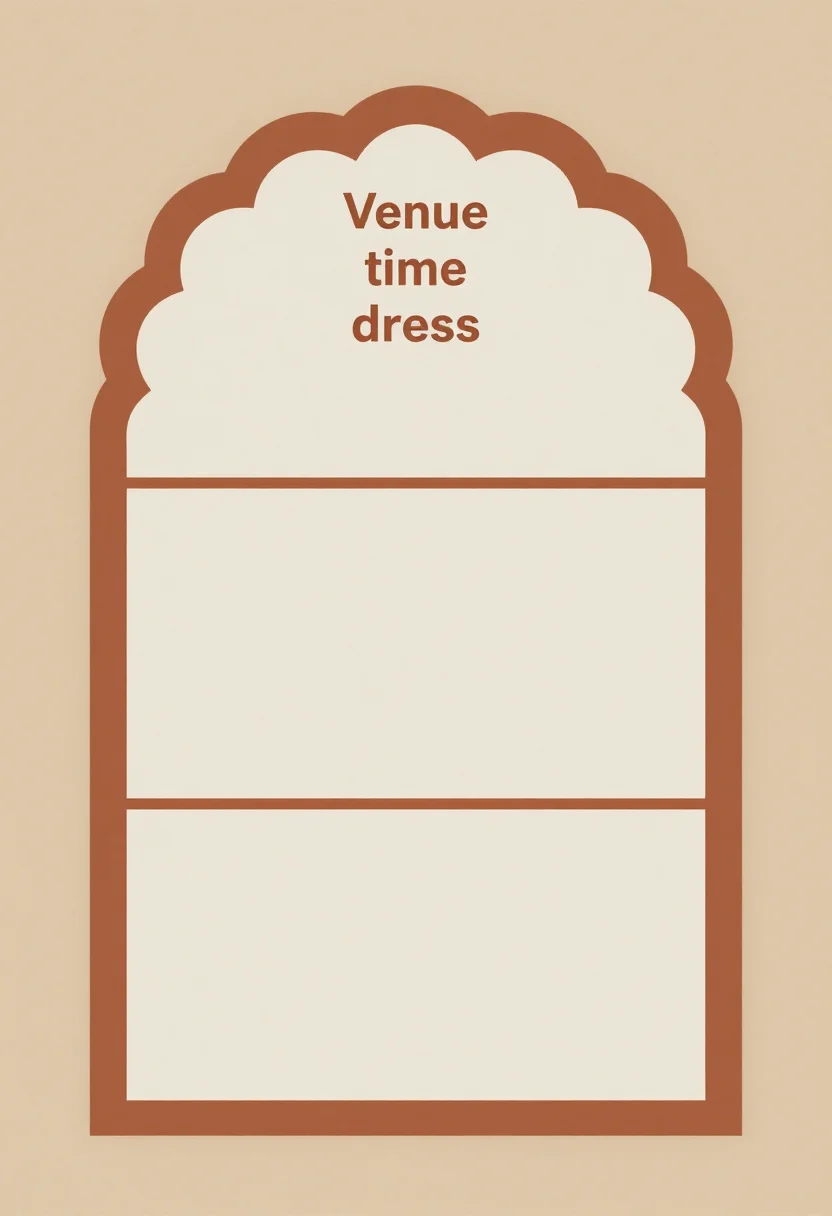
Nikah cards: geometry, arabesque, arch
Make your ownNikah cards
Describe yours. We'll remake the whole pack your way.
More like this
the whole catalog →
every sample — three subjects, three styles ↓
A nikah invitation is a formal card with a fixed spine: an opening line, the two names, the date, the venue, and a closing verse. These nine cover that same spine in three vocabularies — geometry, arabesque and arch — with no figure appearing on any of them.
- a nikah invitation card
- a save-the-date insert
- a wedding program cover
- a gift card for the couple
- a print run for the wedding party
Frequently asked questions
- What size do these print at?
- Each card is drawn at standard invitation-card proportions with an even margin, so it fits standard envelopes.
- Can I add the names, date and venue myself?
- Yes — the design ships with those fields open, ready to add by hand or with your own printer.
- What's the difference between the three vocabularies?
- Geometry uses compass-drawn tessellation, arabesque uses flowing vine ornament, and arch uses an architectural arch as the card's frame — none includes a figure.
- Is the closing verse transcribed exactly?
- Yes — where a verse closes the card, it's transcribed exactly as written.
About toile
This page is a showcase and a starting point: nine samples already rendered, three readings of the pack crossed with three styles, each shown at the size and ratio it was made for. Take any of them further on the wall with a few words, or ask for all nine again under your own direction; a sign-in keeps what you make, and it is free while Toile is new. The recipe behind each sample — the subject, the style, the palette, the framing — travels with the image rather than staying private to the render: it is in the alt text of every sample and in the page's own structured data, so a search engine reads the same handles a person would.