/nutrition-posters · classroom
Nutrition posters: balanced plate, nutrients, eat the rainbow
Make your ownNutrition posters
Describe yours. We'll remake the whole pack your way.
More like this
the whole catalog →
every sample — three subjects, three styles ↓
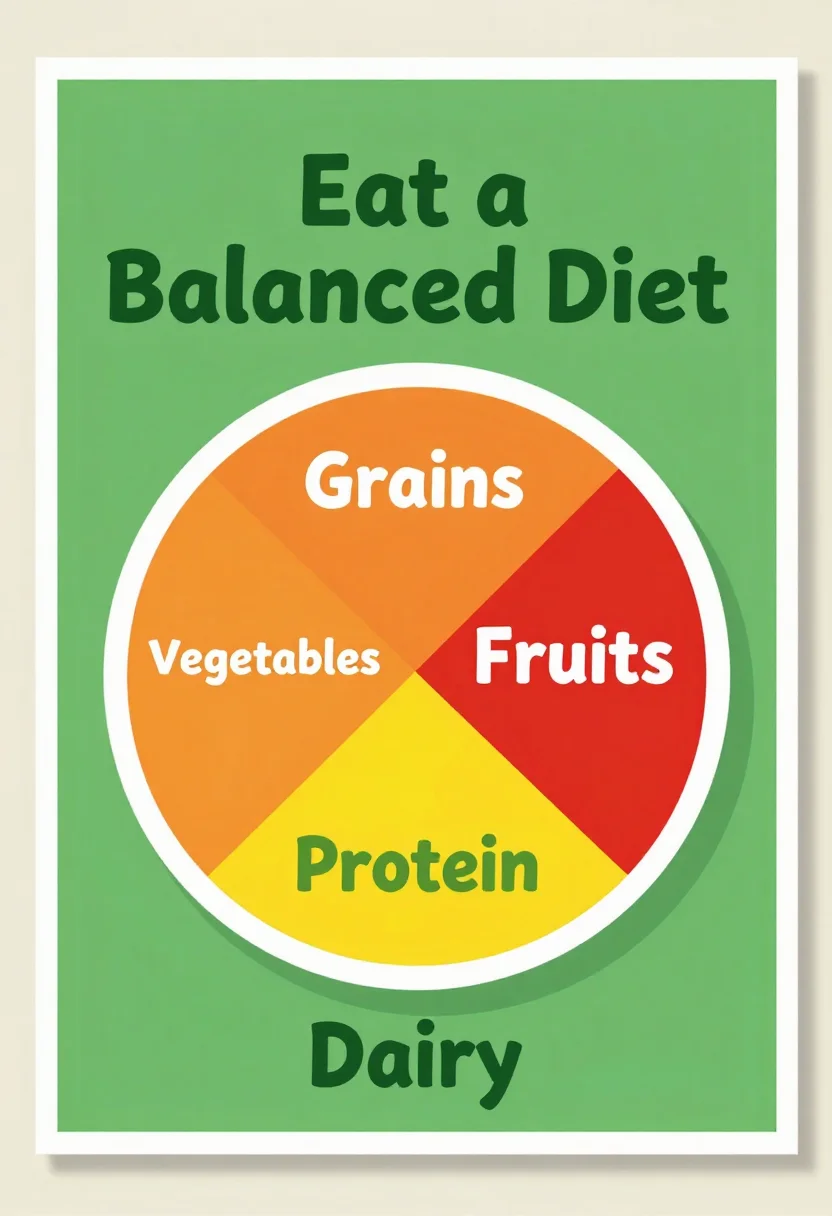
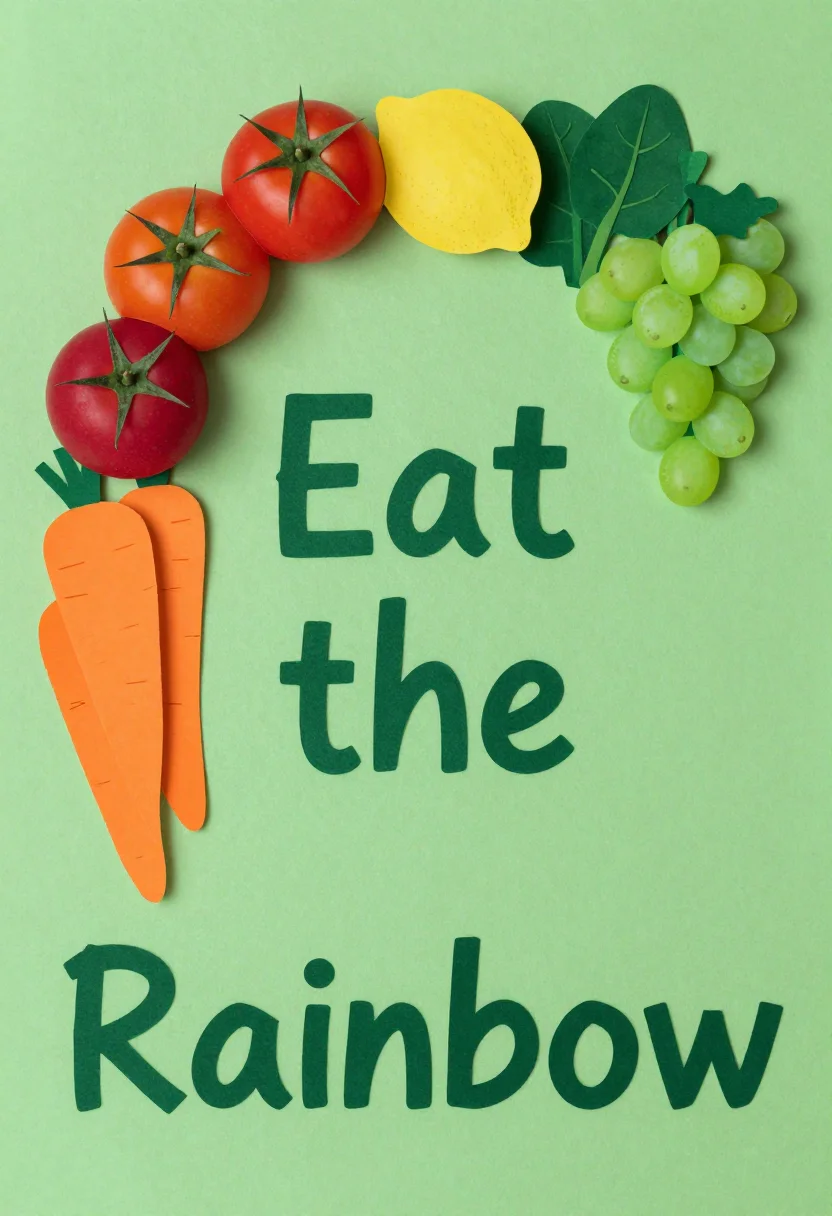
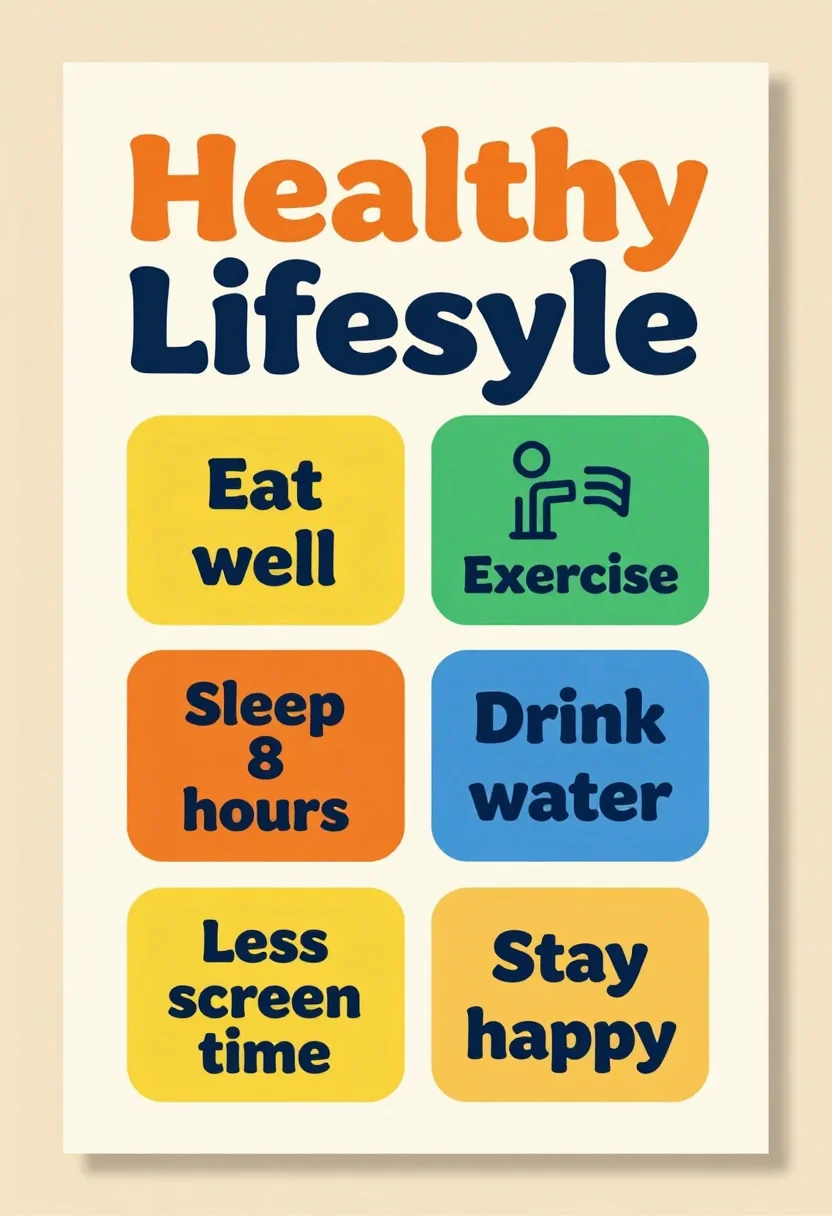
Posters for National Nutrition Week in September, science projects, schools and clinics. The three readings are a round plate divided into grains, vegetables, fruits, protein and dairy; a chart of carbohydrates, proteins, fats, vitamins, minerals and water with foods for each; and an arc of fruit and vegetables arranged by colour. A direction such as Indian thali or protein foods asks for a different emphasis; the result is a request, not a promised picture.
- a school nutrition week display
- a science project on food groups
- a clinic or health centre waiting-room poster
- a canteen or kitchen wall
Frequently asked questions
- Are the portions and amounts exact?
- The pictures show food groups and example foods, not measured portions. Check a dietary guide before you use a chart for teaching.
- What do the three readings show?
- A balanced plate with its five food groups, a nutrients chart with example foods, and a rainbow of produce under the line Eat the Rainbow.
- How do the three styles differ?
- Flat vector uses bold clean shapes. Crayon looks like a student drawing with uneven strokes on white paper. Cut paper is a layered collage on coloured paper.
- Can I ask for a different food?
- Yes. A direction such as Indian thali or protein foods asks for a different emphasis. It is a request, so the picture may not match the samples.
About toile
This page is a showcase and a starting point: nine samples already rendered, three readings of the pack crossed with three styles, each shown at the size and ratio it was made for. Take any of them further on the wall with a few words, or ask for all nine again under your own direction; a sign-in keeps what you make, and it is free while Toile is new. The recipe behind each sample — the subject, the style, the palette, the framing — travels with the image rather than staying private to the render: it is in the alt text of every sample and in the page's own structured data, so a search engine reads the same handles a person would.