/ocean-animal-coloring-pages · coloring
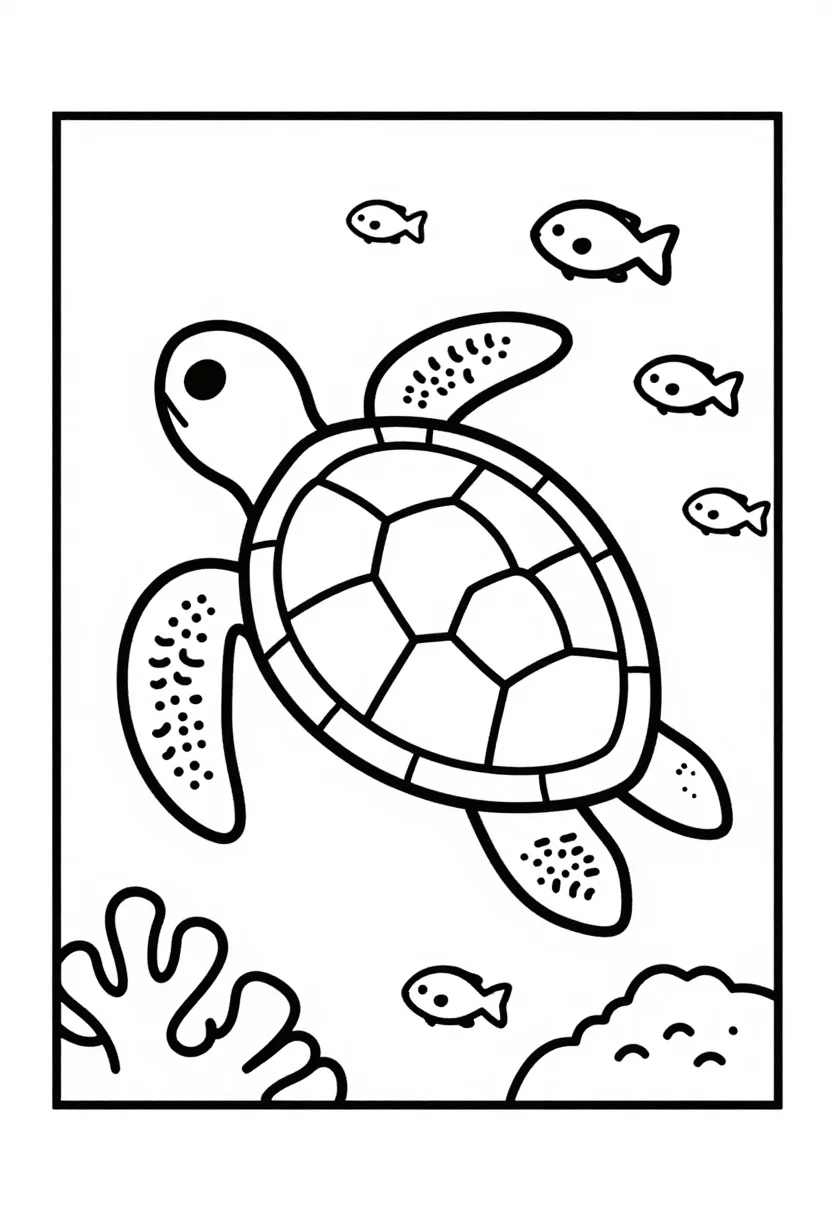
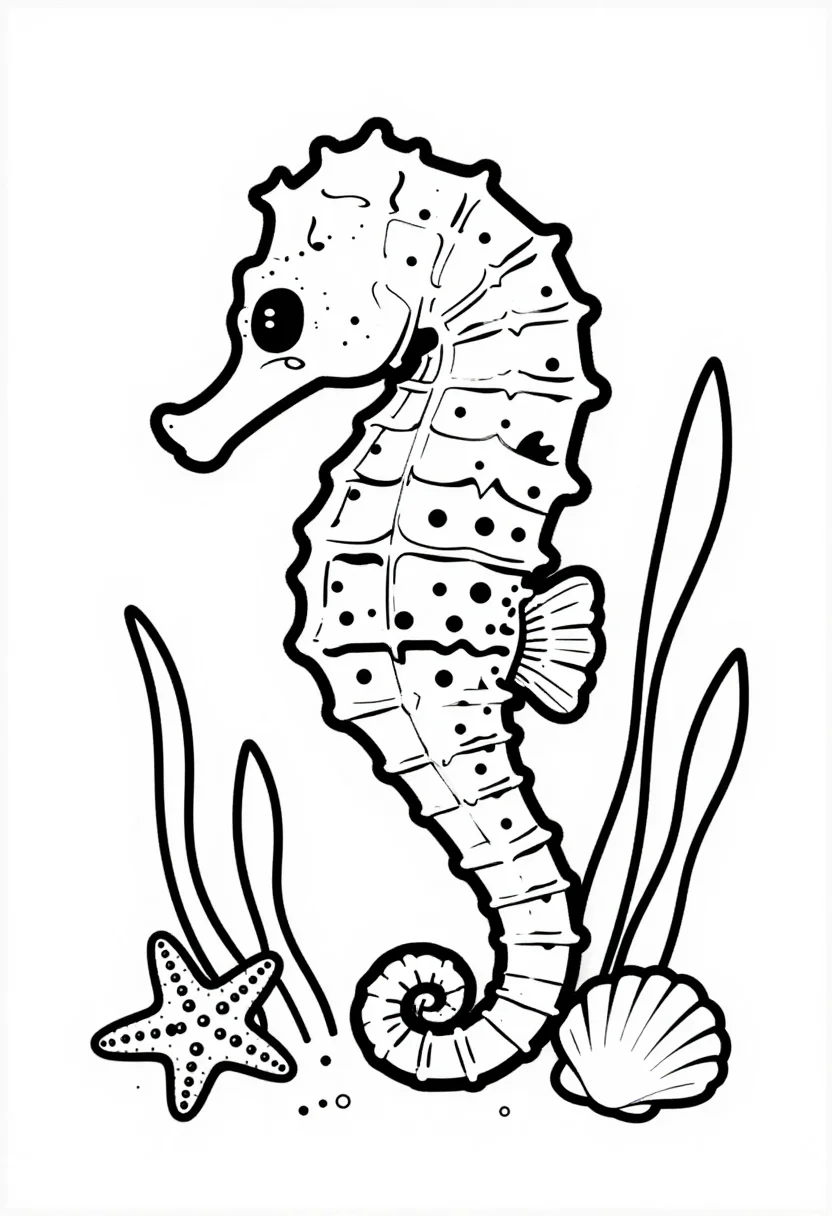
Ocean animal coloring pages: sea turtle, whale and calf, seahorse
Make your ownOcean animal coloring pages
Describe yours. We'll remake the whole pack your way.
More like this
the whole catalog →
every sample — three subjects, three styles ↓
Printable black-and-white ocean animal pages for children and adults who want the animals of the sea to color, one creature at a time. The three scenes are a sea turtle gliding over a coral reef, a humpback whale and calf in open water and a seahorse curled round seagrass among shells. Fine detail gives each animal its own texture, with shell plates, scales and bubbles closed as small shapes.
- an ocean unit in school
- a child's animal coloring book
- a playroom wall print
- a beach-holiday activity sheet
Frequently asked questions
- How do I print these pages?
- Save the page you want and print it in black at the paper size your printer uses. The drawings are black line art on white.
- Can I ask for a different sea animal?
- Yes. Type a twist such as a dolphin or a jellyfish, and the three styles keep the same clean, closed line work. The result is a request, drawn fresh each time.
- What is the difference between the three styles?
- Bold uses thick outlines and large open areas for a young child. Fine detail closes each shell plate, scale and bubble as a small shape. Patterned divides the animal's skin into panels of waves, scallops and dots.
- Are these photographs of real sea animals?
- No. Every page is a drawn line illustration, not a photograph.
About toile
This page is a showcase and a starting point: nine samples already rendered, three readings of the pack crossed with three styles, each shown at the size and ratio it was made for. Take any of them further on the wall with a few words, or ask for all nine again under your own direction; a sign-in keeps what you make, and it is free while Toile is new. The recipe behind each sample — the subject, the style, the palette, the framing — travels with the image rather than staying private to the render: it is in the alt text of every sample and in the page's own structured data, so a search engine reads the same handles a person would.