/octopus-haircuts · beauty
Octopus haircuts: straight, wavy, short
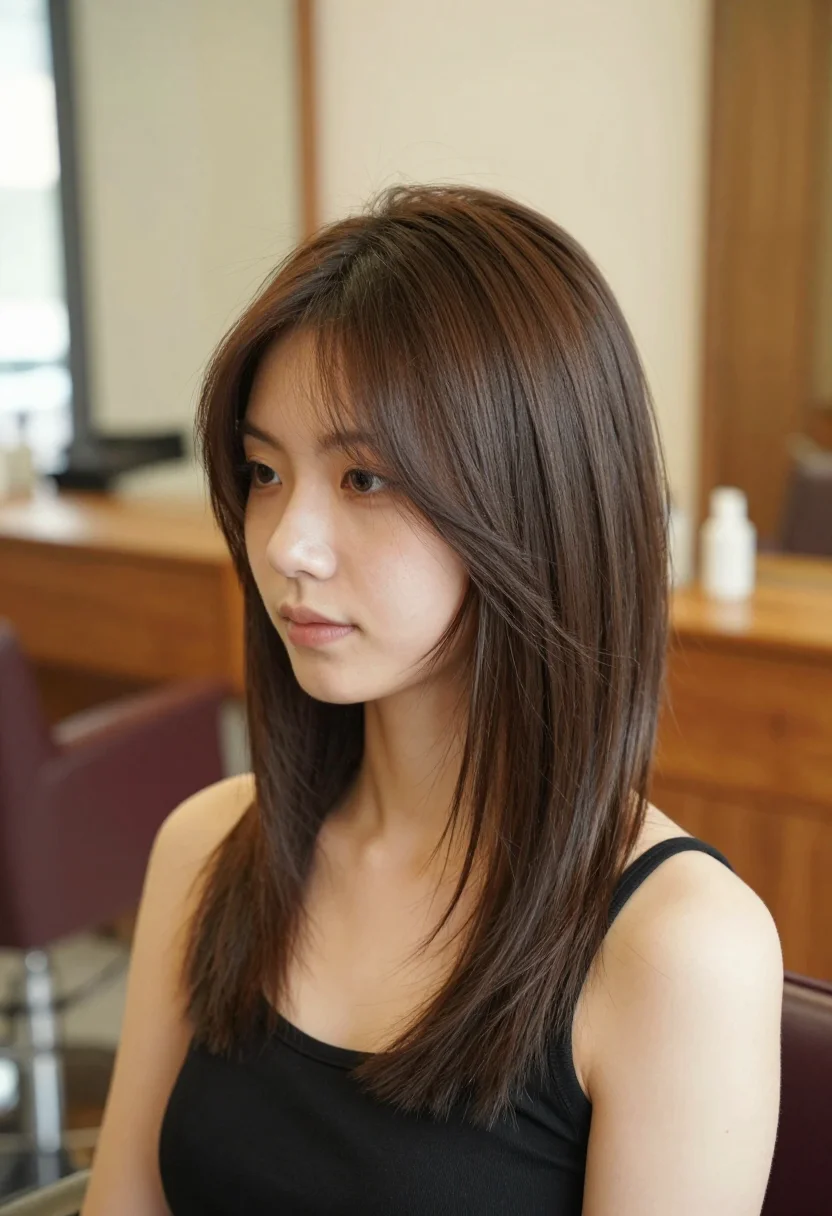
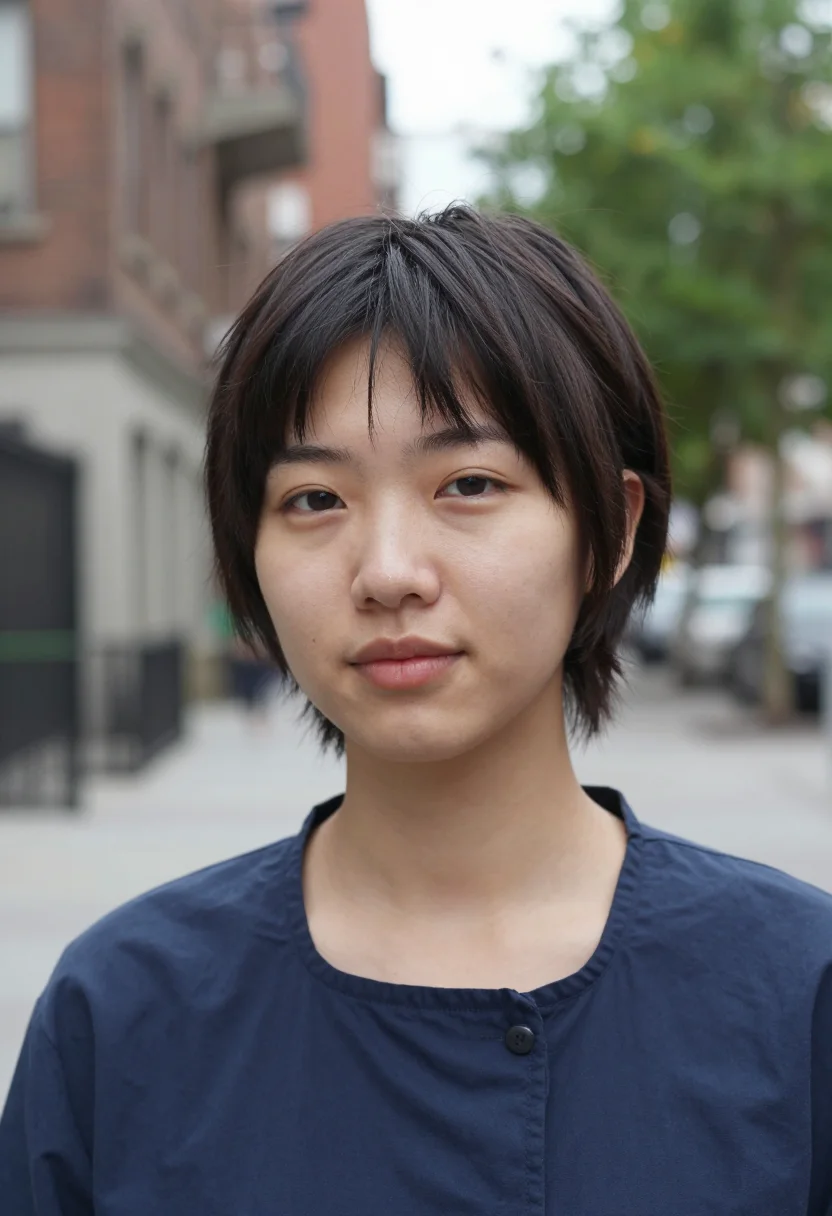
Make your ownOctopus haircuts
Describe yours. We'll remake the whole pack your way.
More like this
the whole catalog →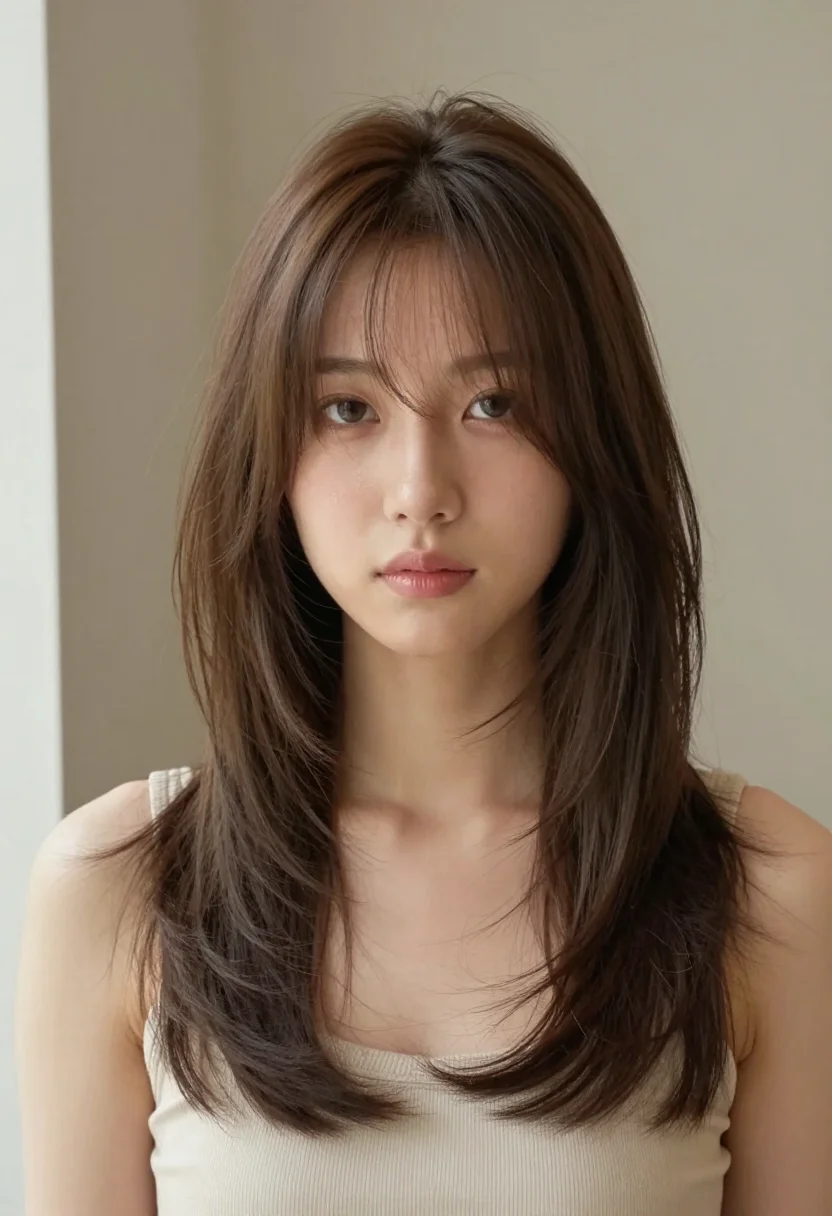
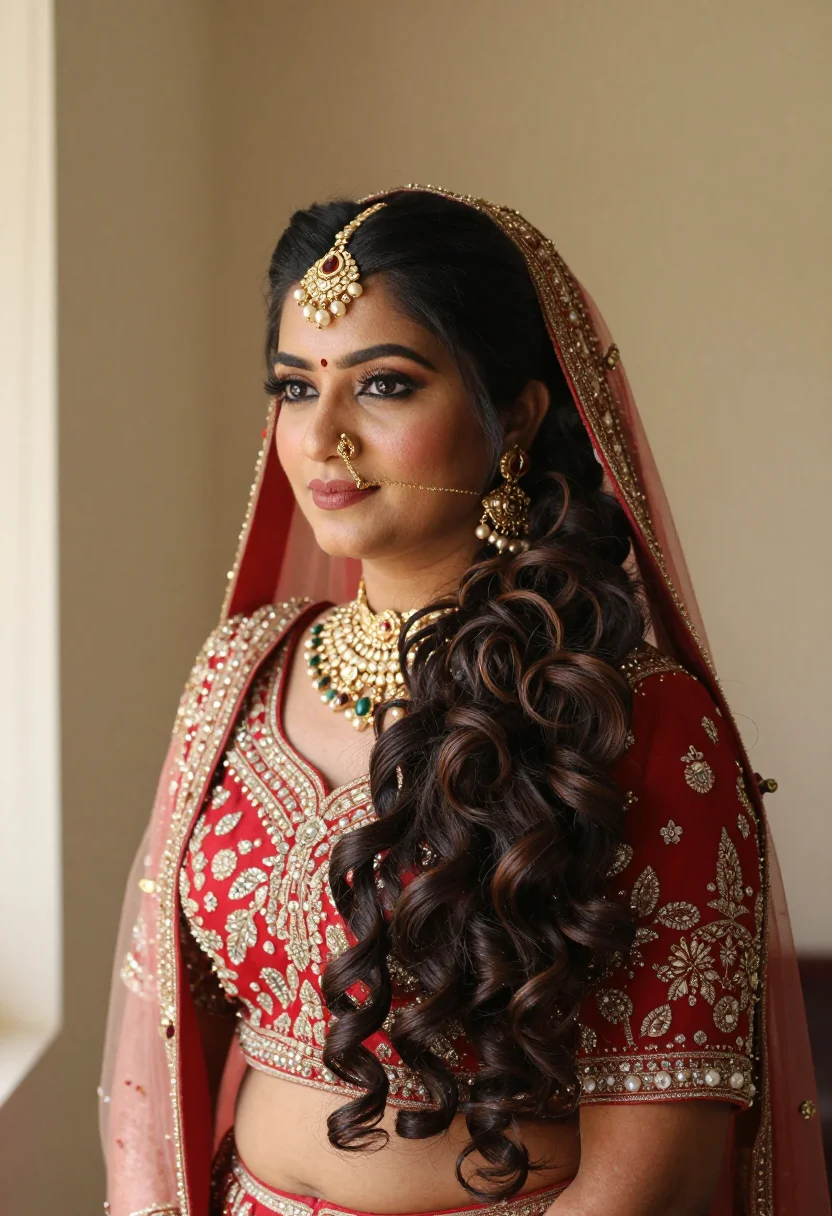
every sample — three subjects, three styles ↓
The octopus cut has a rounded layered crown over long, thin layers that fall below it. These pictures show a straight octopus with long thin layers, a wavy octopus with piecey ends at the shoulders, and a short octopus with a choppy crown and neck-length tails. Women and men both wear the cut here, in a salon, in profile and on a street. You can type a change, such as pink hair, to ask for the cut with it.
- a reference for a salon visit
- choosing a straight, wavy or short octopus cut
- a print for a hair studio
- a profile picture
Frequently asked questions
- What is an octopus cut?
- A rounded layered crown with long, thin, wispy layers falling below it.
- What is the difference between the three?
- The straight version has long thin straight layers. The wavy version has piecey ends at the shoulders. The short version has a choppy crown and neck-length tails.
- Can I change the colour?
- Yes. Type the change and the picture is made with it. It is a request, so the result may differ from the sample.
About toile
This page is a showcase and a starting point: nine samples already rendered, three readings of the pack crossed with three styles, each shown at the size and ratio it was made for. Take any of them further on the wall with a few words, or ask for all nine again under your own direction; a sign-in keeps what you make, and it is free while Toile is new. The recipe behind each sample — the subject, the style, the palette, the framing — travels with the image rather than staying private to the render: it is in the alt text of every sample and in the page's own structured data, so a search engine reads the same handles a person would.