/ogee · pattern
Ogee design: tight, classic, elongated curve
Make your ownOgee
Describe yours. We'll remake the whole pack your way.
More like this
the whole catalog →
every sample — three subjects, three styles ↓
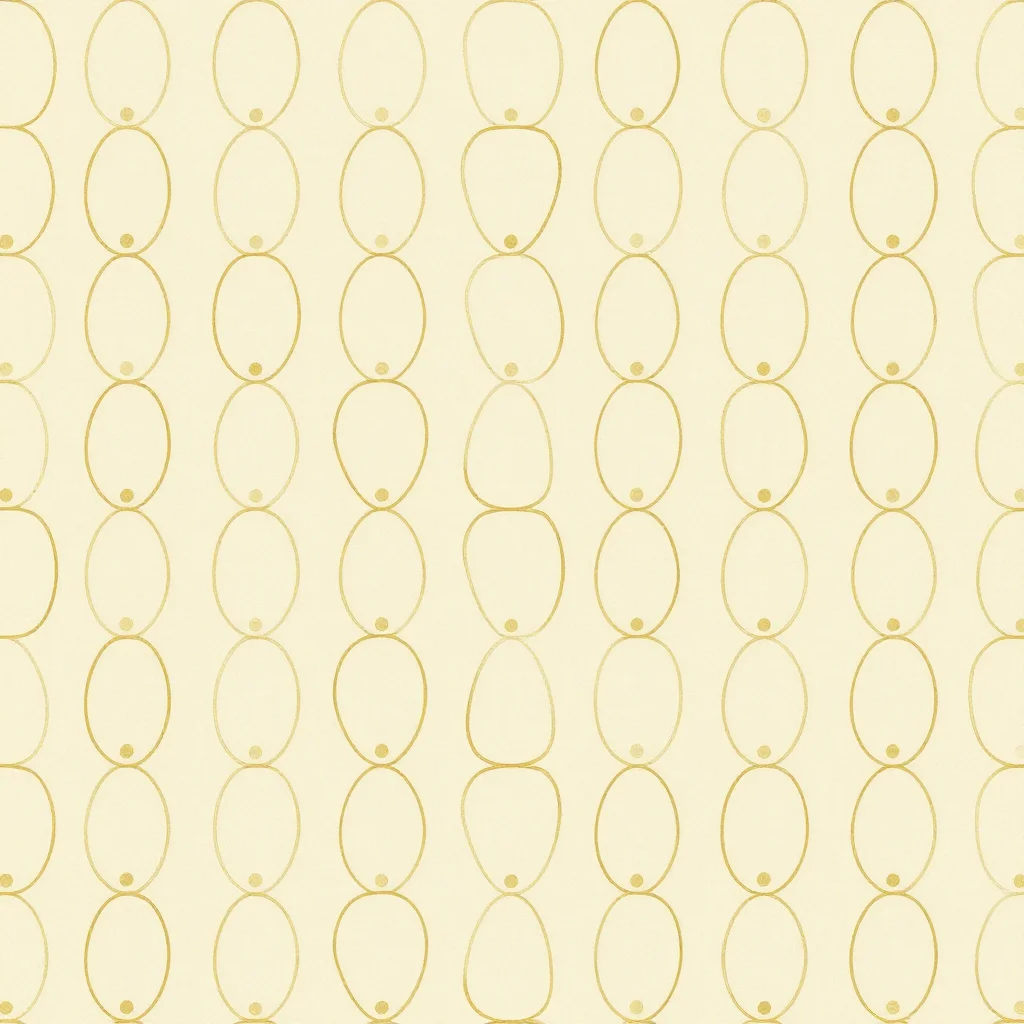
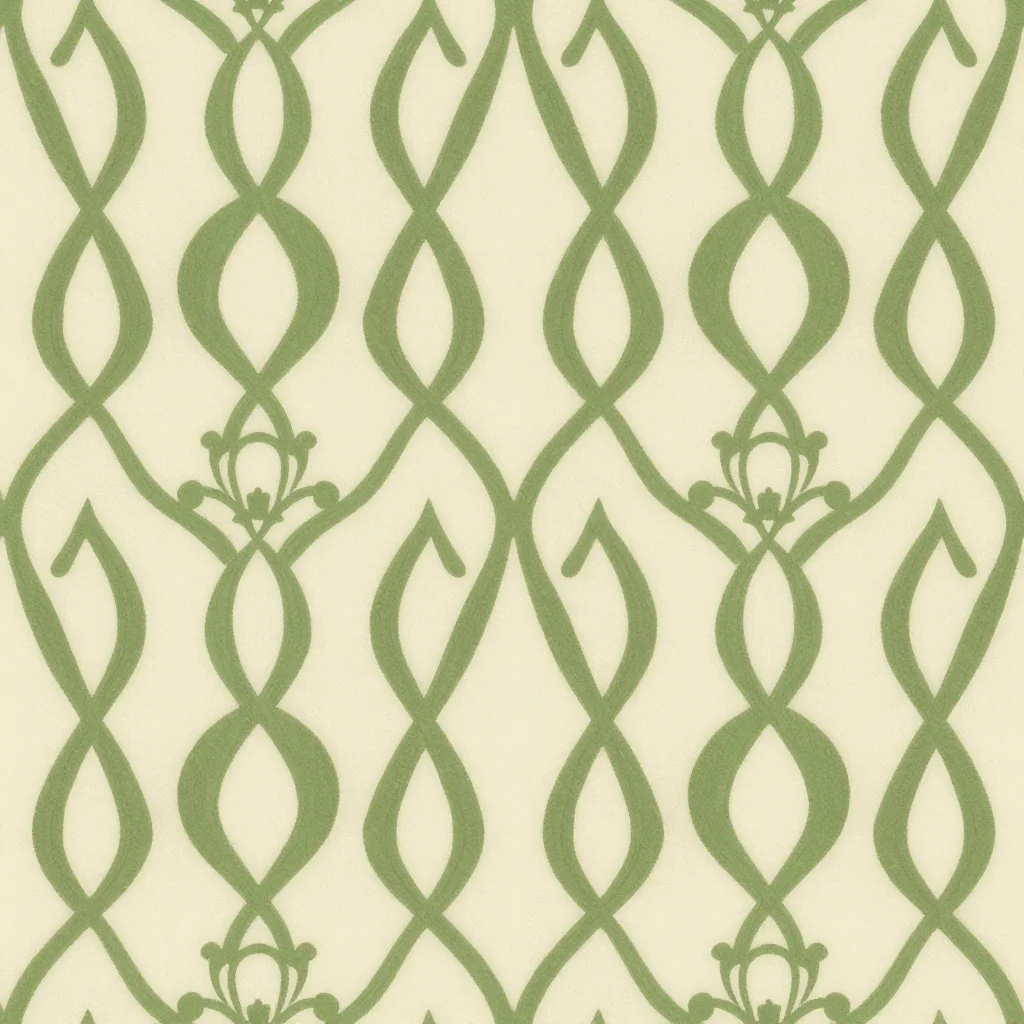
The ogee is the onion-dome curve: an S bending back on itself to make a pointed oval that stacks in columns and offsets by half a row, the armature behind damask and Indian boteh grids. These nine render tight, classic and elongated ogee curves across three colourways. Ask for a different curve depth, and the same three colourways carry it.
- a wallpaper repeat sample
- a damask-style fabric swatch
- a phone wallpaper
- a stationery or notecard background
- a curtain or upholstery print
Frequently asked questions
- What size and format do these print at?
- Each pattern is a seamless square tile at even resolution, so it repeats cleanly on fabric yardage or a wallpaper roll.
- Can I get a different curve depth?
- Yes — the direction field takes any ogee curvature, and the same three colourways render it.
- What's the difference between the three curve depths?
- Tight keeps the S-curve narrow and pointed, classic sits at the traditional damask proportion, and elongated stretches the oval taller for a more dramatic column.
- Is this based on real damask or boteh design?
- Yes — the ogee is the real structural curve behind historic damask and Indian boteh (paisley) grids, used here as a style reference rather than a copy of any named textile.
About toile
This page is a showcase and a starting point: nine samples already rendered, three readings of the pack crossed with three styles, each shown at the size and ratio it was made for. Take any of them further on the wall with a few words, or ask for all nine again under your own direction; a sign-in keeps what you make, and it is free while Toile is new. The recipe behind each sample — the subject, the style, the palette, the framing — travels with the image rather than staying private to the render: it is in the alt text of every sample and in the page's own structured data, so a search engine reads the same handles a person would.