/orcs · figure
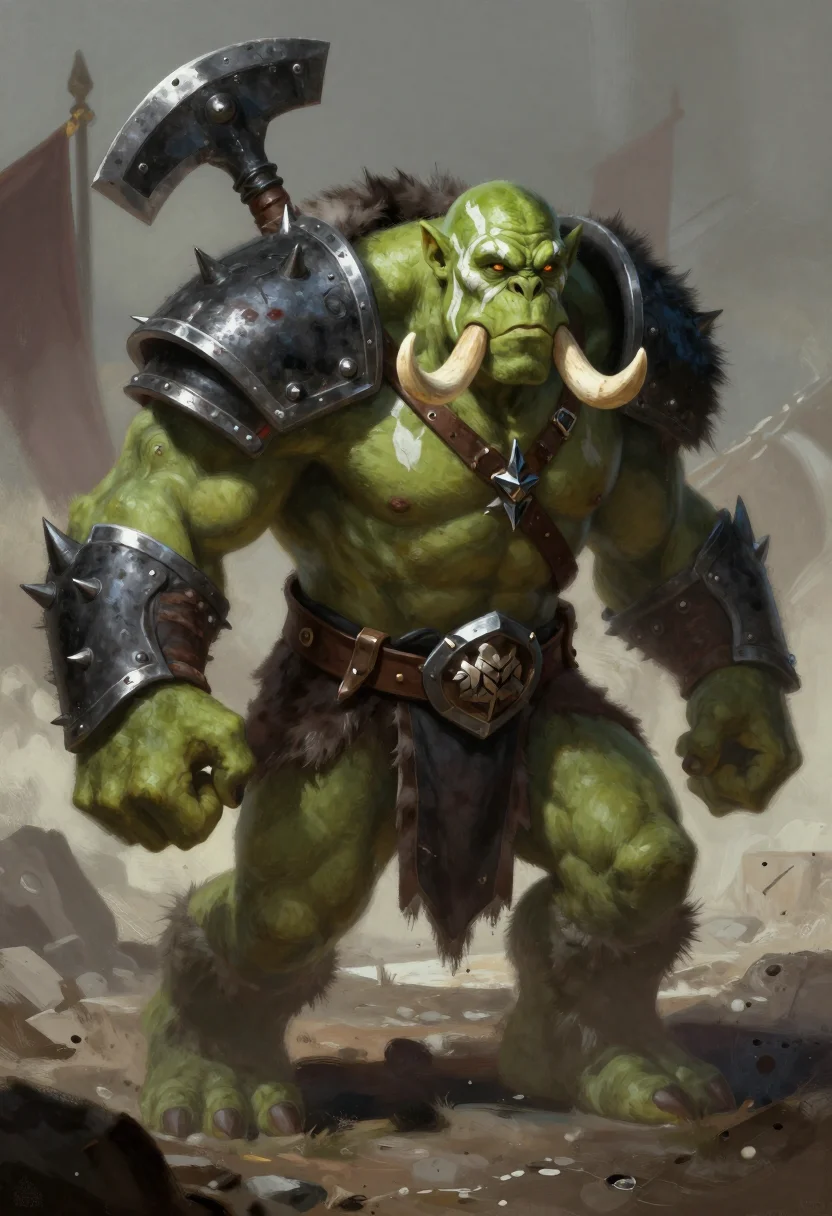
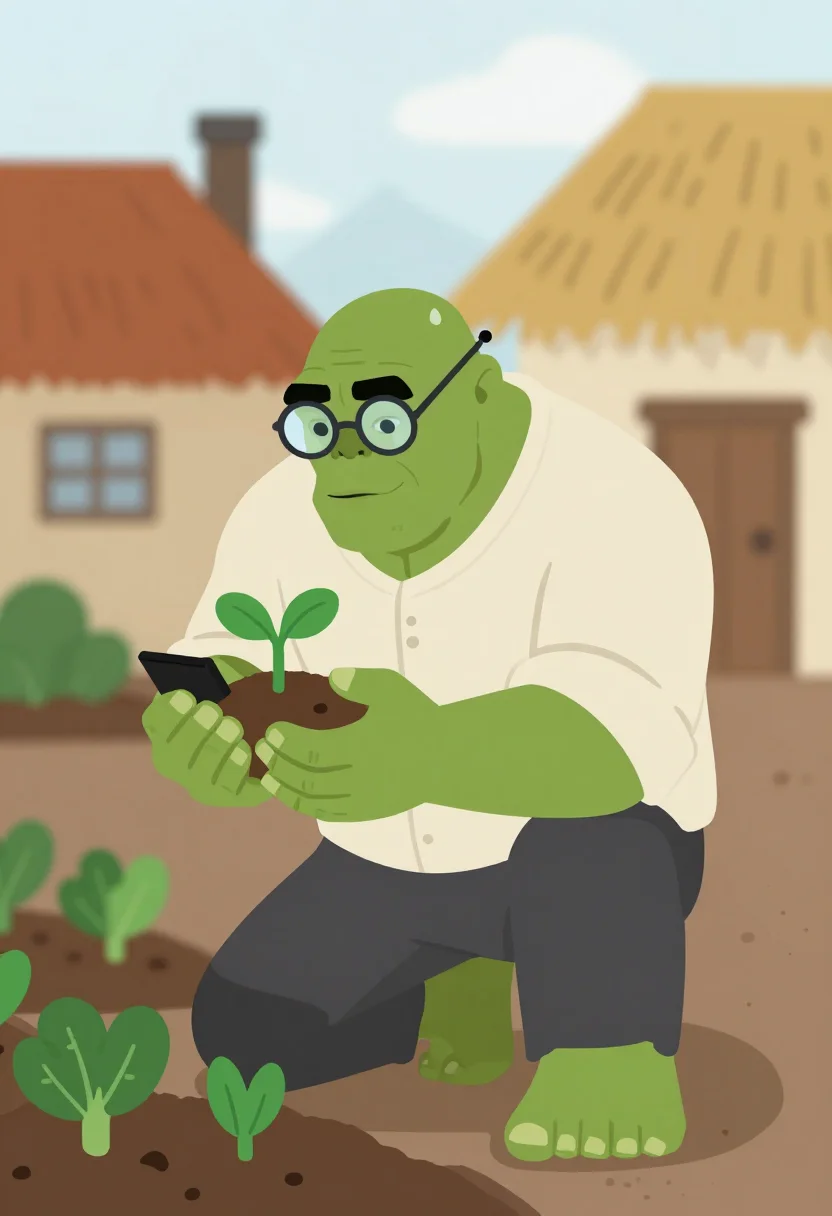
Orc art: the warlord, the shaman, the gardener, three styles
Make your ownOrcs
Describe yours. We'll remake the whole pack your way.
More like this
the whole catalog →
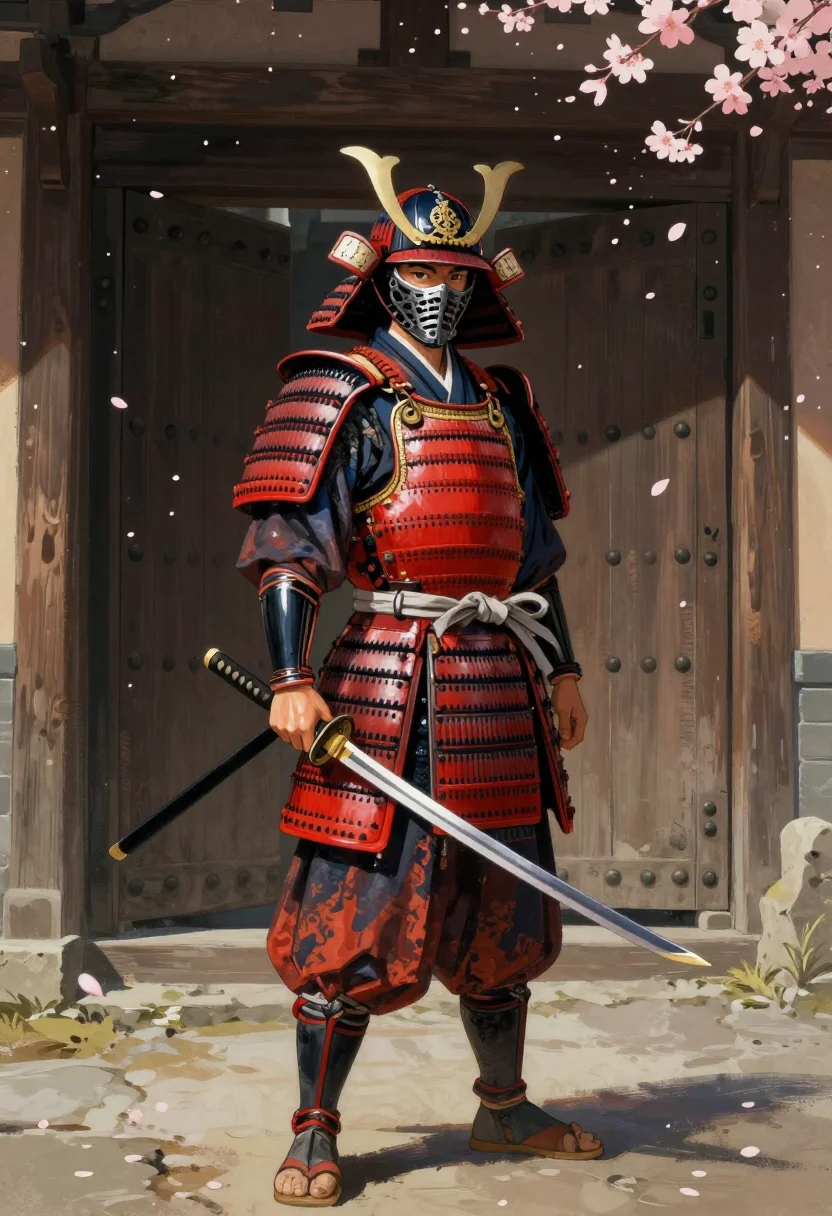
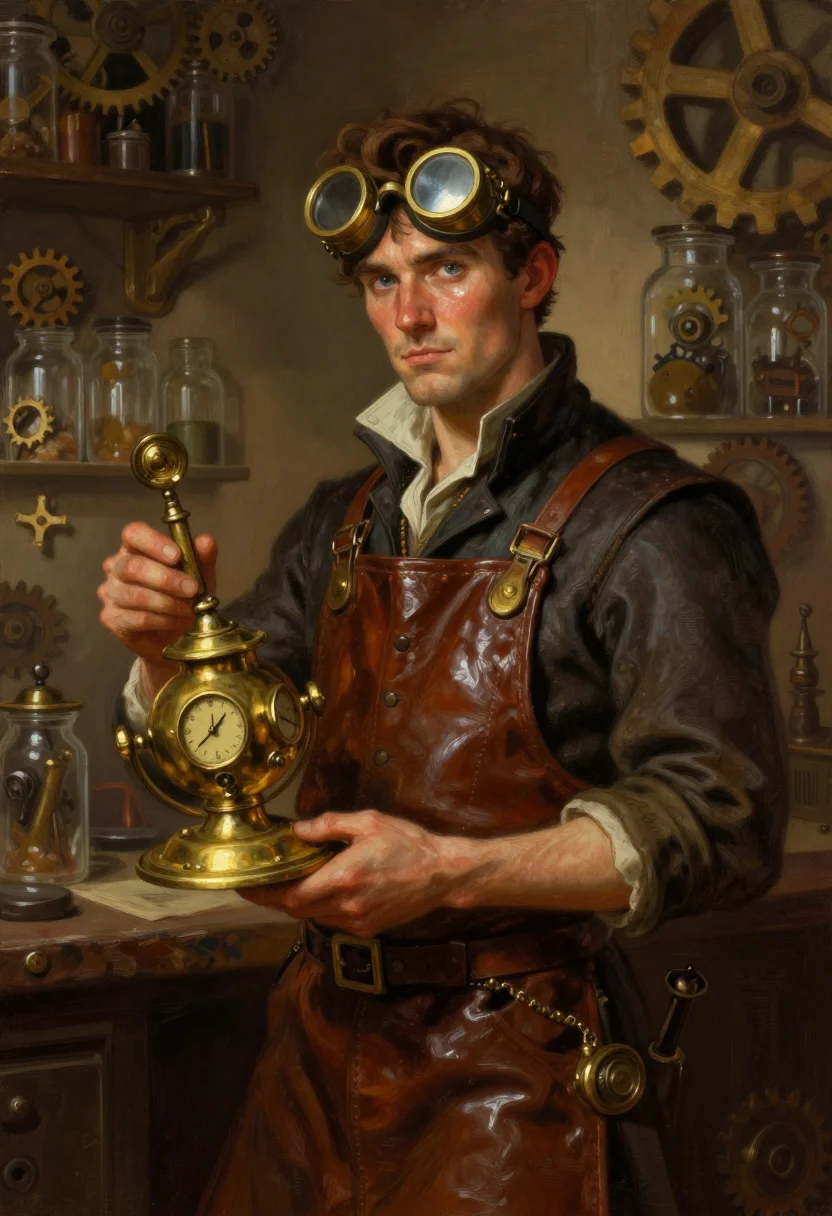
every sample — three subjects, three styles ↓
The orc holding both ends of its own reputation: a tusked warlord with a heavy cleaver, an old shaman by a rune-lit fire, and an orc at peace tending a vegetable bed. Each rendered in painted fantasy illustration, black ink with a spot colour, and flat vector. Ask for a young orc, a war drum scene, or a city-market setting, and the same three styles carry it.
- a poster or wall art print
- a book or game character reference
- a greeting card design
- a tabletop RPG character reference
Frequently asked questions
- What does this pack actually look like?
- Nine illustrations of three original orc figures — a warlord, a shaman, and a gardener at peace — in painted, ink, and flat vector styles.
- Can I get a young orc, or a city-market scene?
- Yes — the direction field takes any variation, including a young orc, a war drum, or a city market.
- What's the difference between the three styles?
- Painted uses glazed colour over visible brushwork, ink is black line on parchment with one moss-green accent, and flat vector is five flat colours with no outline.
- Is this based on a specific book or film orc?
- No — all three figures are original designs, not tied to a published series.
- Is the gardener reading really an orc?
- Yes — it's the same character register shown at peace rather than in battle, part of the same original design set as the warlord and shaman.
About toile
This page is a showcase and a starting point: nine samples already rendered, three readings of the pack crossed with three styles, each shown at the size and ratio it was made for. Take any of them further on the wall with a few words, or ask for all nine again under your own direction; a sign-in keeps what you make, and it is free while Toile is new. The recipe behind each sample — the subject, the style, the palette, the framing — travels with the image rather than staying private to the render: it is in the alt text of every sample and in the page's own structured data, so a search engine reads the same handles a person would.