/phone-case-stickers · sticker
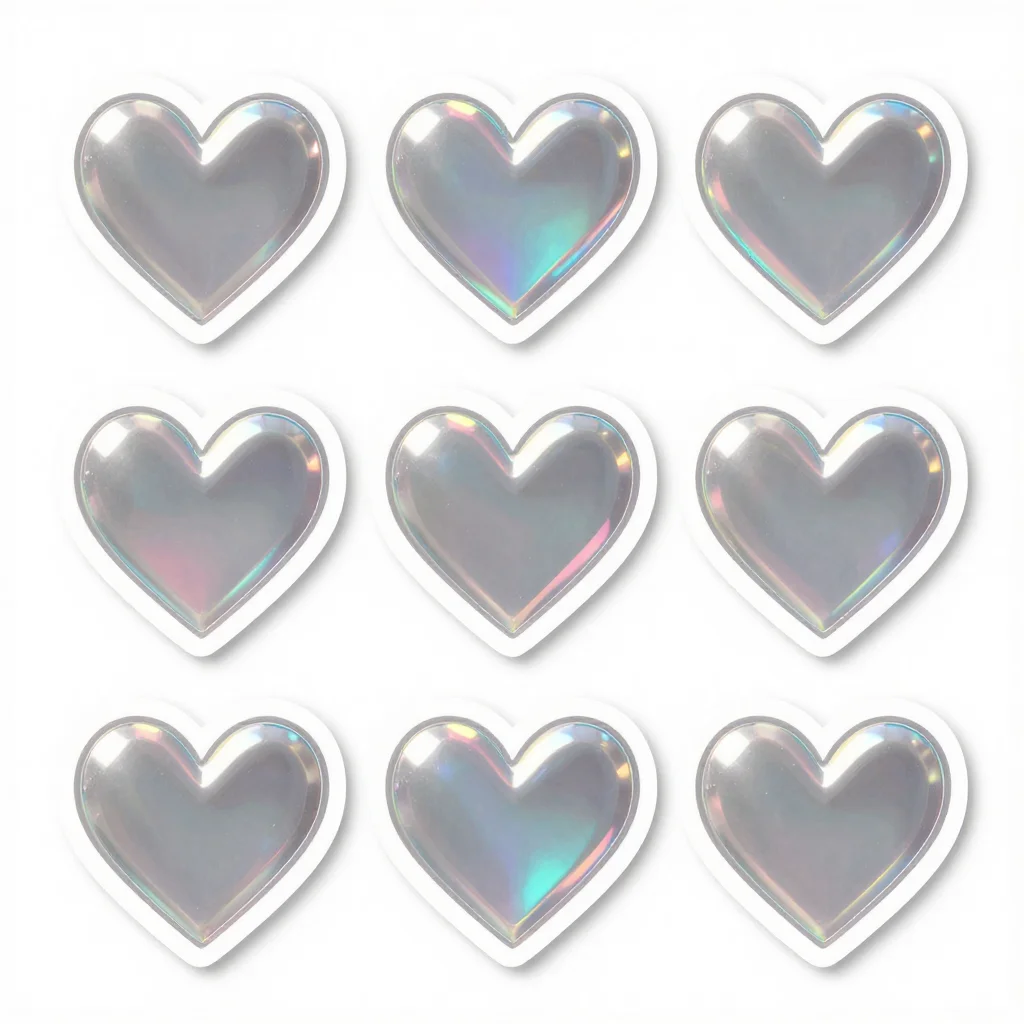
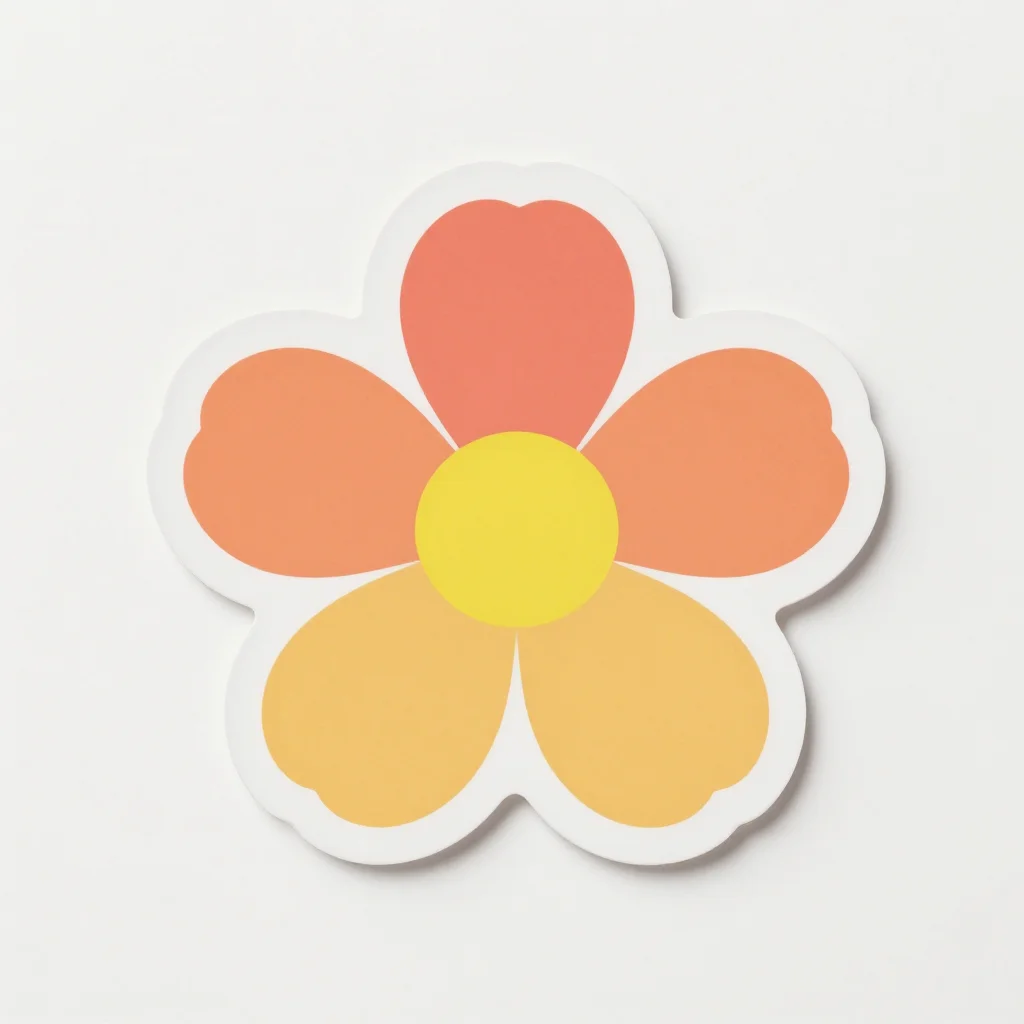
Phone case stickers: heart, star, and flower in three finishes
Make your ownPhone case stickers
Describe yours. We'll remake the whole pack your way.
More like this
the whole catalog →

every sample — three subjects, three styles ↓
The small sticker for the case: a heart, a star, a tiny flower — sized for a phone case, not a laptop lid. Rendered holographic, puffy, and clear so the finish matches whatever your case sticker sheet is made of. Ask for a different tiny motif, and the same three finishes carry it.
- decorating a clear or solid phone case
- a mini sticker pack for cases and cards
- a scrapbook or planner accent sticker
- a party favor sticker sheet
- a printable small sticker sheet
Frequently asked questions
- How small are these designs?
- They're sized as accent stickers — a fraction of a phone case, not a full-coverage skin — resize before printing for your exact case.
- What's the difference between holographic, puffy, and clear?
- Holographic is a rainbow-sheen finish, puffy is a domed 3D look, and clear is a transparent background — match whichever your sticker paper supports.
- Can I get a different tiny shape, like a moon or a bow?
- Yes — the direction field takes any small motif, rendered in the same three finishes.
- Will these work on a textured or silicone phone case?
- A smooth or clear case holds a printed sticker best; textured silicone cases may not keep an adhesive sticker in place long-term.
- Can I print a full sheet for a party favor bag?
- Yes, for personal use; check the license terms before reselling the designs.
About toile
This page is a showcase and a starting point: nine samples already rendered, three readings of the pack crossed with three styles, each shown at the size and ratio it was made for. Take any of them further on the wall with a few words, or ask for all nine again under your own direction; a sign-in keeps what you make, and it is free while Toile is new. The recipe behind each sample — the subject, the style, the palette, the framing — travels with the image rather than staying private to the render: it is in the alt text of every sample and in the page's own structured data, so a search engine reads the same handles a person would.