/pillow-cover-patterns · craft
Pillow cover pattern: envelope, zip, ruffle
Make your ownPillow cover patterns
Describe yours. We'll remake the whole pack your way.
More like this
the whole catalog →
every sample — three subjects, three styles ↓
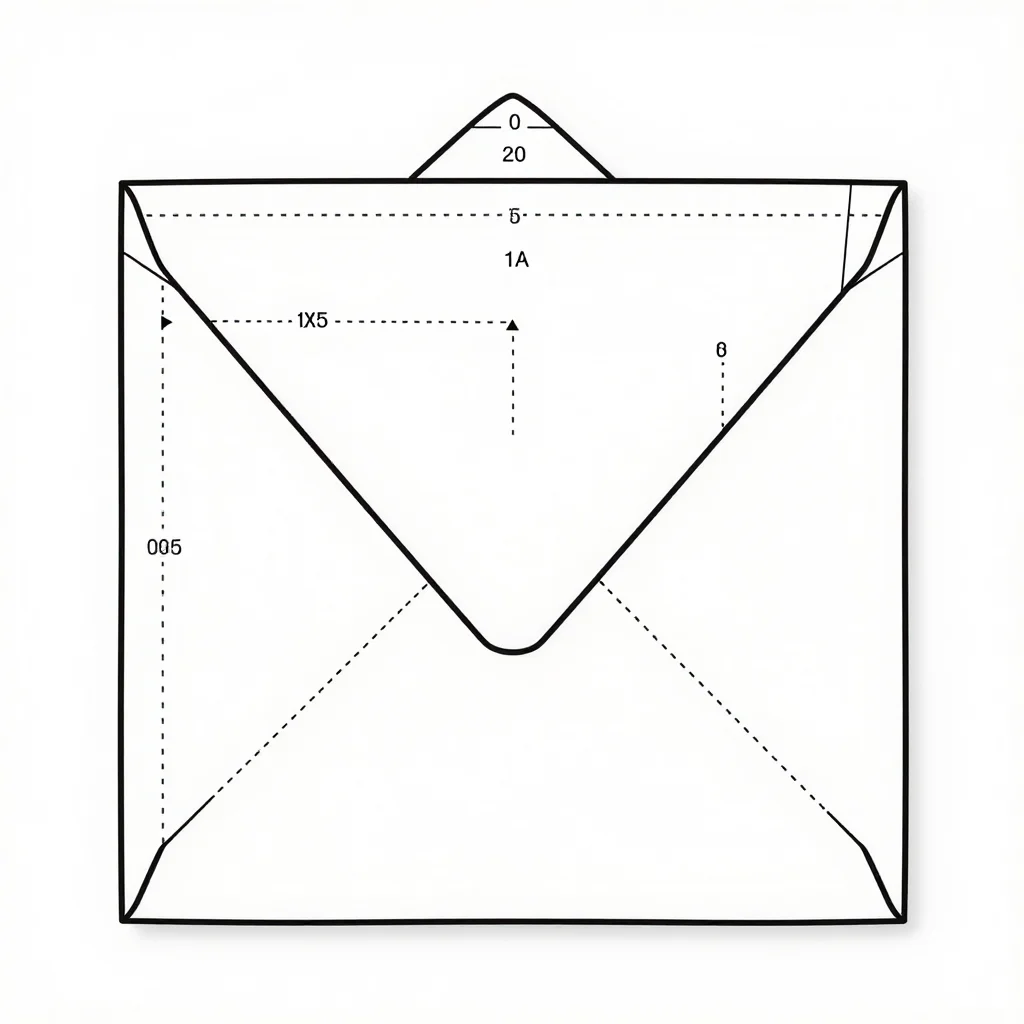
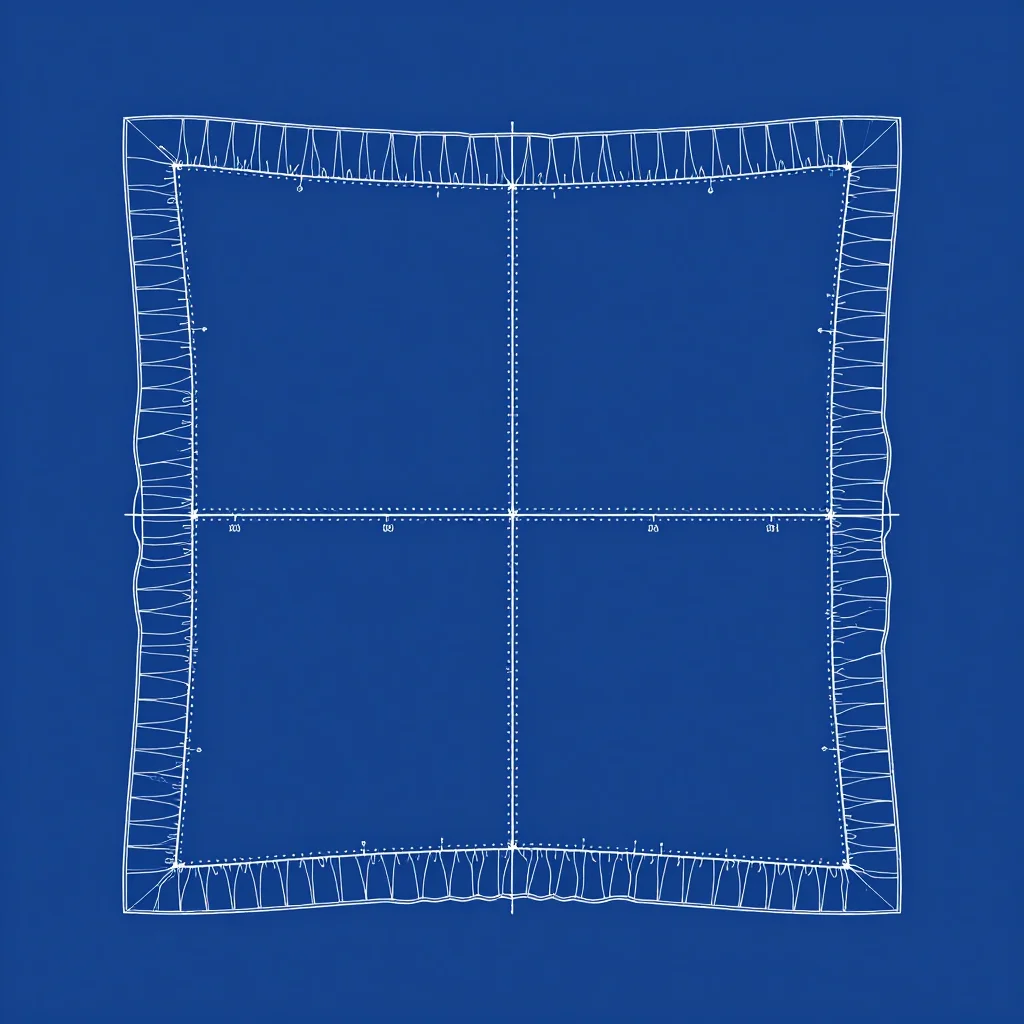
A cushion cover is a quick way to change a room, and an envelope back means no zip to fit. These are cutting diagrams: front and back panels drawn as squares and rectangles with their measurements, the overlap shaded and the sewing order numbered. The three covers are an envelope back, a zip closure with numbered steps, and a ruffle edge. Type a different form and it is a request, not a guaranteed picture.
- new covers for a sofa
- a first project on a sewing machine
- a housewarming gift
- matching covers for a set of chairs
Frequently asked questions
- Do I need a zip for the envelope back?
- No. The back is two overlapping rectangles, so the cover opens without one. The zip closure is the second picture.
- How do I know the size?
- Each panel carries its measurement on the sheet. Measure your cushion and check the front panel against it.
- How do the three styles differ?
- Clean line is black ink on white, graph paper is the same drawing on squared paper, and blueprint is white line on deep blue.
- Can I ask for a floor cushion or a 16 inch cover?
- Yes, by typing it as a direction. That is a request; the nine pictures show the three covers above.
About toile
This page is a showcase and a starting point: nine samples already rendered, three readings of the pack crossed with three styles, each shown at the size and ratio it was made for. Take any of them further on the wall with a few words, or ask for all nine again under your own direction; a sign-in keeps what you make, and it is free while Toile is new. The recipe behind each sample — the subject, the style, the palette, the framing — travels with the image rather than staying private to the render: it is in the alt text of every sample and in the page's own structured data, so a search engine reads the same handles a person would.