/pixel-pfp · creator
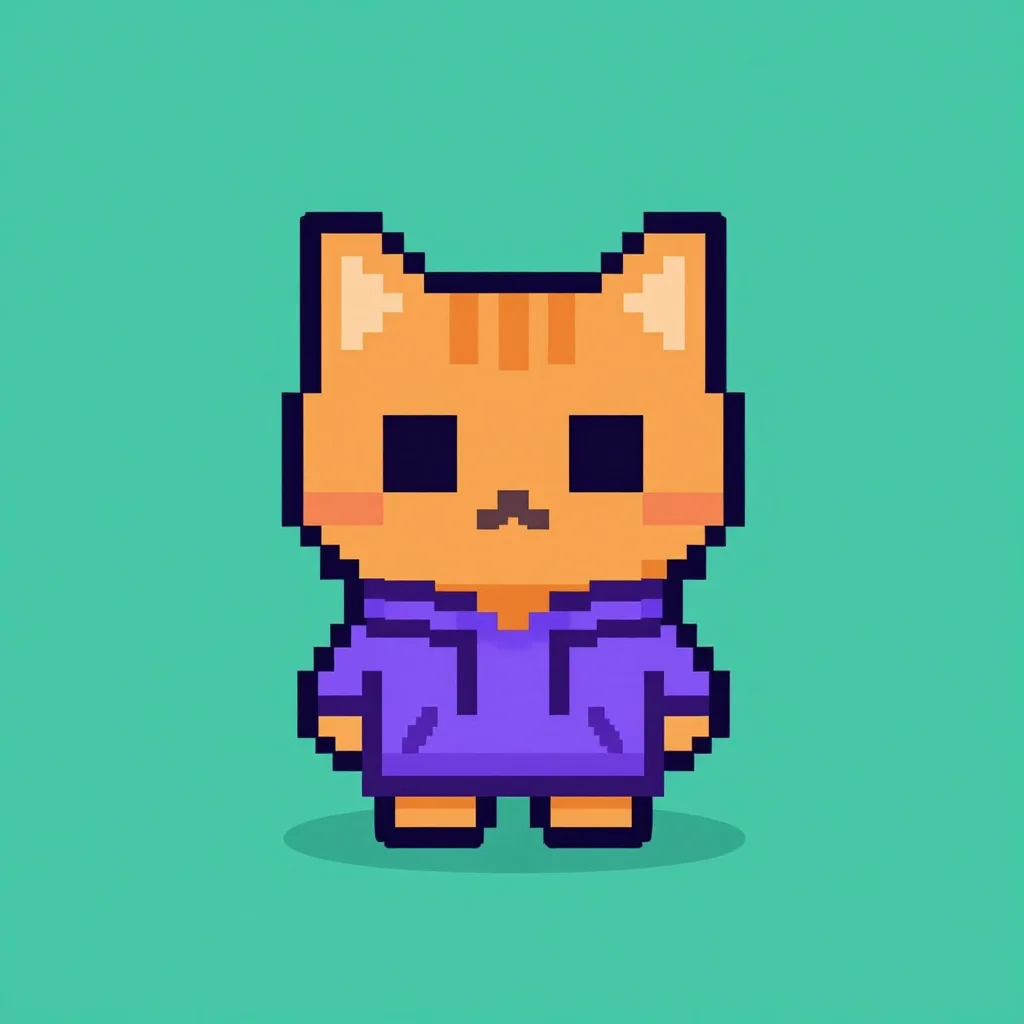
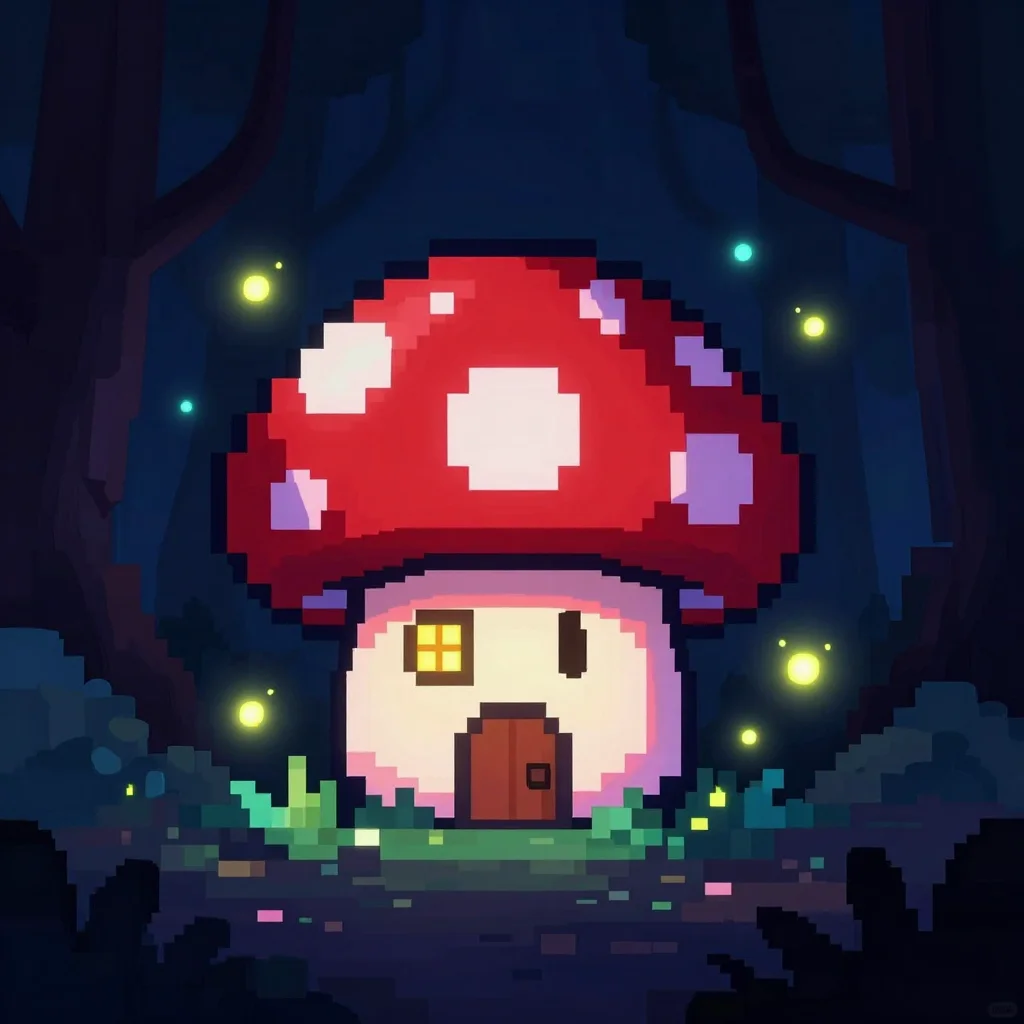
Pixel pfp: pixel cat in a hoodie, pixel ghost, mushroom house at night
Make your ownPixel pfp
Describe yours. We'll remake the whole pack your way.
More like this
the whole catalog →
every sample — three subjects, three styles ↓
Pixel-art profile pictures with crisp square pixels, for gamers and retro fans. The scenes are a pixel orange cat in a purple hoodie, a white ghost holding a glowing lantern, and a red mushroom house in a dark forest. 8-bit retro uses eight colours, 16-bit dither has shaded pixels with a richer palette, and neon night is indigo with pink and cyan highlights. Type a pixel dragon, a pixel frog or a night sky, and the square pixels stay.
- a pixel-art profile picture for a gaming account
- an avatar for a retro community
- a phone wallpaper
- a print for a desk or shelf
Frequently asked questions
- Will the pixels stay crisp at a small size?
- The pictures are made of hard square pixels with no soft edges, so they are built to hold their shape at avatar size.
- What is the difference between the three styles?
- 8-bit retro has eight colours, 16-bit dither has a richer palette with shaded pixels, and neon night is dark indigo with bright highlights.
- Can I change the character or the scene?
- Yes. Type a change such as a pixel dragon, a pixel frog or a night sky, and the pixel style stays.
About toile
This page is a showcase and a starting point: nine samples already rendered, three readings of the pack crossed with three styles, each shown at the size and ratio it was made for. Take any of them further on the wall with a few words, or ask for all nine again under your own direction; a sign-in keeps what you make, and it is free while Toile is new. The recipe behind each sample — the subject, the style, the palette, the framing — travels with the image rather than staying private to the render: it is in the alt text of every sample and in the page's own structured data, so a search engine reads the same handles a person would.