/play-museum · classroom
Museum pretend play: exhibit labels, entry tickets, gallery guide
Make your ownMuseum pretend play
Describe yours. We'll remake the whole pack your way.
More like this
the whole catalog →
every sample — three subjects, three styles ↓
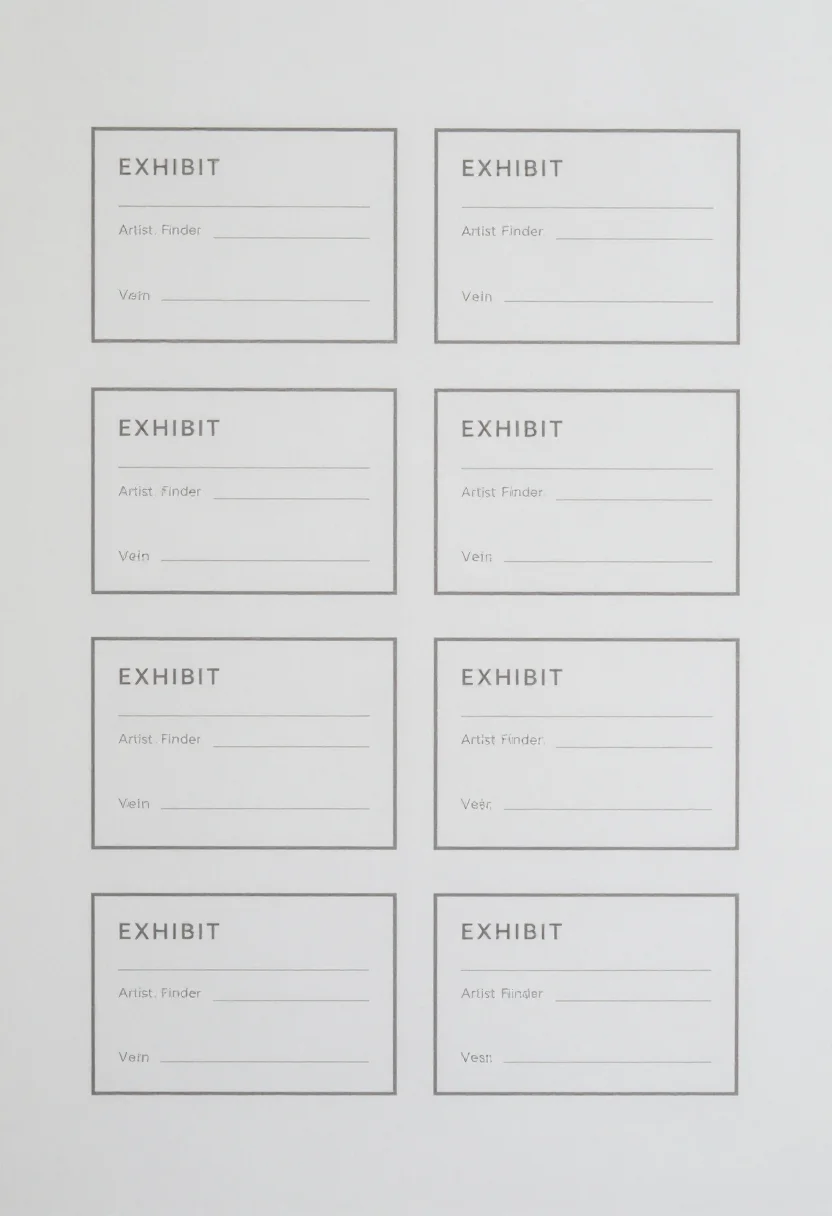
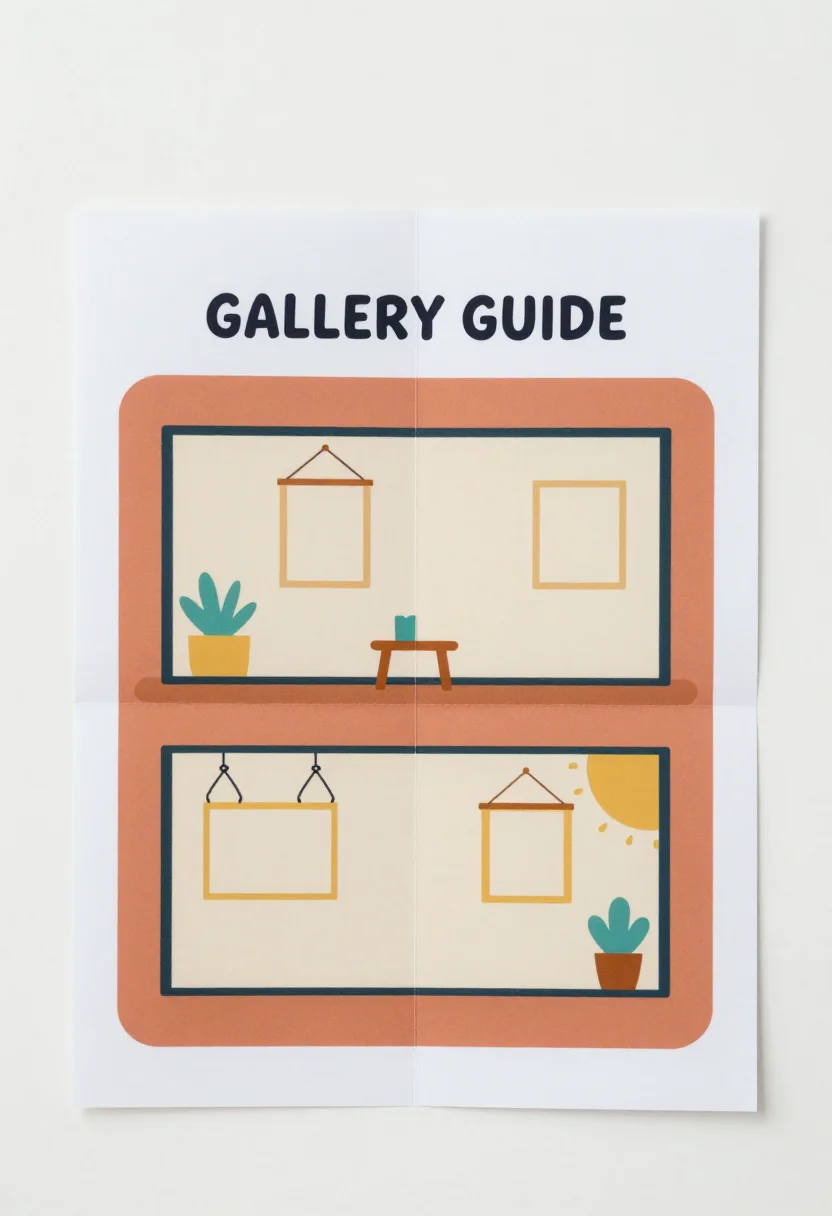
A museum game for children who curate a collection of drawings, shells and treasures. A child writes a label for each piece with blank lines for the title, the artist or finder and the year, hands out tickets, and gives tours with a gallery guide. Type a different collection, such as a dinosaur hall or a shell display, and the same sheets are drawn for it.
- a museum of drawings and found objects in a classroom
- a show of a child's collection at home
- a writing task with labels for each exhibit
Frequently asked questions
- How do I print the sheets?
- Print each sheet at full page size on plain paper or card. Every sheet keeps a wide white margin, so it prints cleanly.
- What is the difference between the three styles?
- Gallery is a minimal look with thin rules and small serif type. Colour-in is closed black line art with no shading. Bright is terracotta, teal and mustard flat colour.
- Can I change the collection?
- Yes. Type a different collection, such as a dinosaur hall or an art gallery, and the same sheets are drawn for it. The nine pictures on this page are fixed; a collection is a request, not a promised picture.
- Does the gallery guide have room to name each room?
- Yes. The floor plan has three rooms, each with an empty box to name what hangs there.
About toile
This page is a showcase and a starting point: nine samples already rendered, three readings of the pack crossed with three styles, each shown at the size and ratio it was made for. Take any of them further on the wall with a few words, or ask for all nine again under your own direction; a sign-in keeps what you make, and it is free while Toile is new. The recipe behind each sample — the subject, the style, the palette, the framing — travels with the image rather than staying private to the render: it is in the alt text of every sample and in the page's own structured data, so a search engine reads the same handles a person would.