/pop-up-book-templates · craft
Pop-up book templates: V-fold, box pop-up, step pop-up
Make your ownPop-up book templates
Describe yours. We'll remake the whole pack your way.
More like this
the whole catalog →
every sample — three subjects, three styles ↓
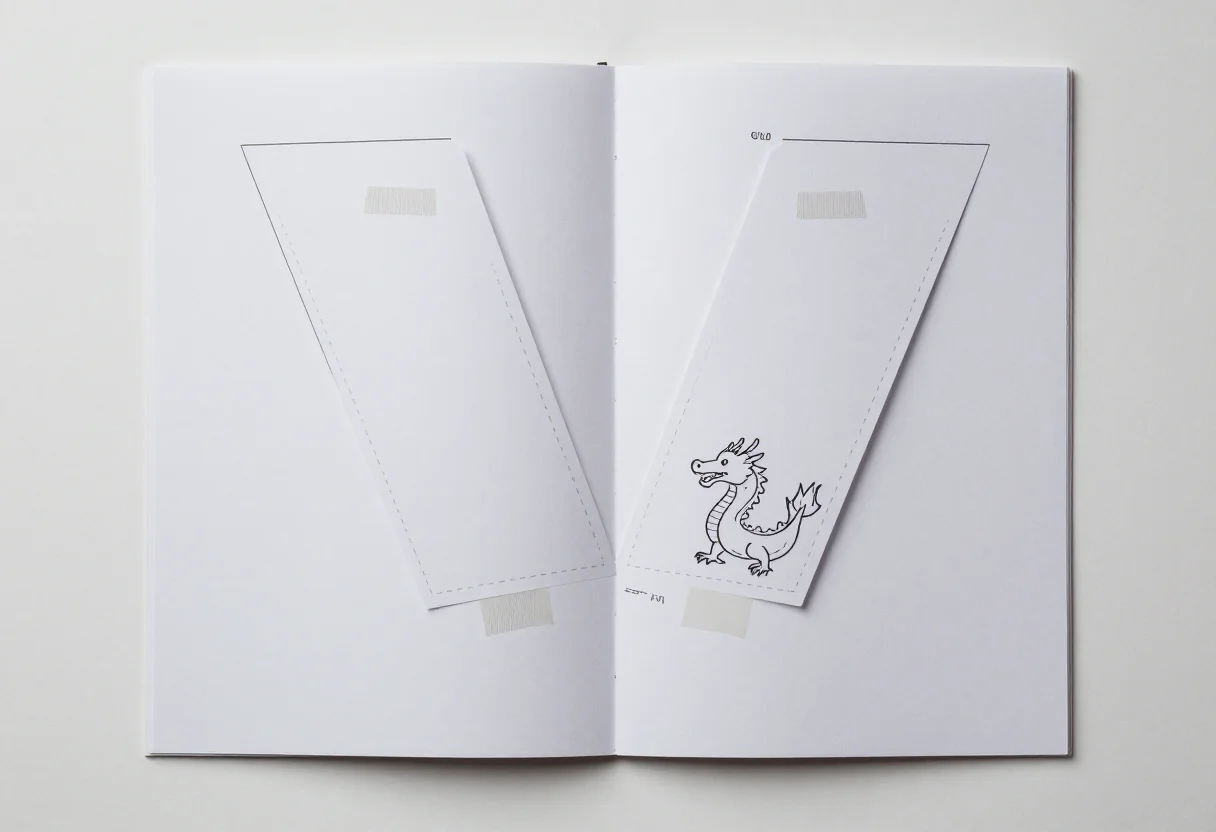
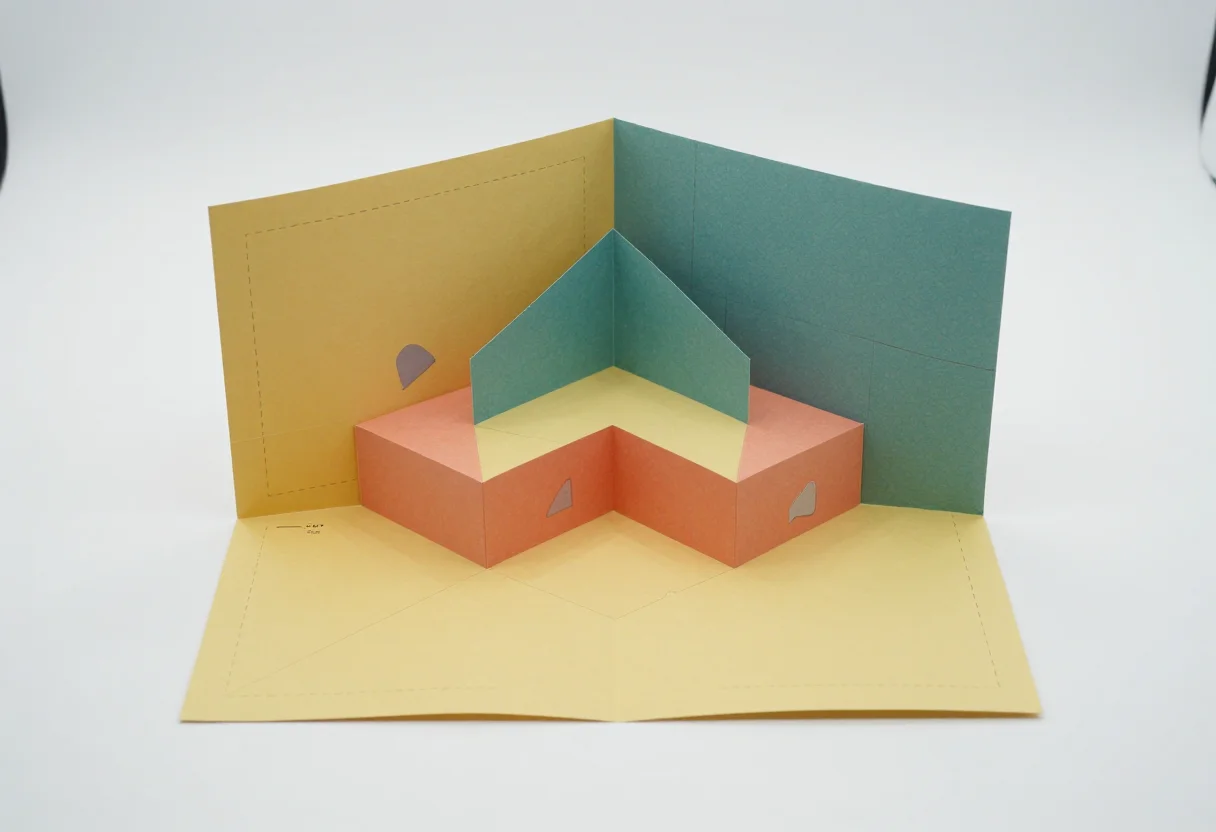
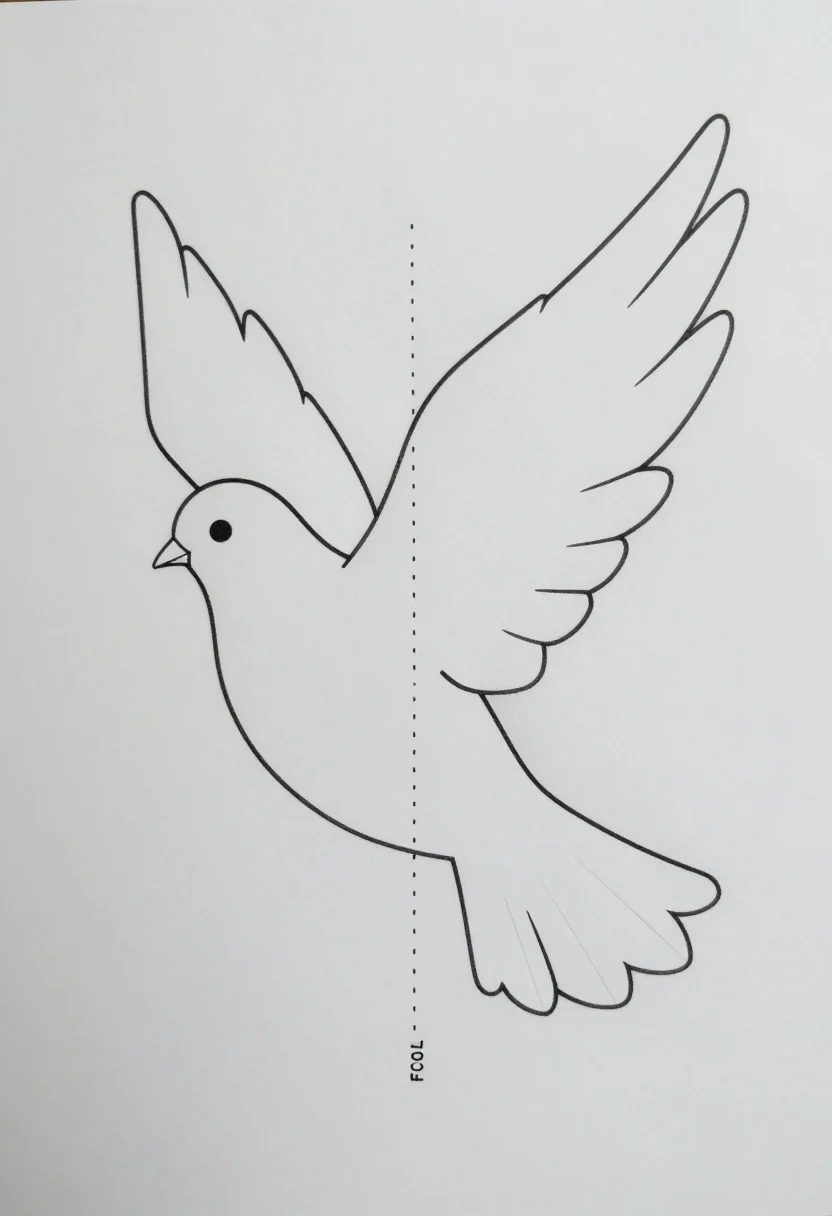
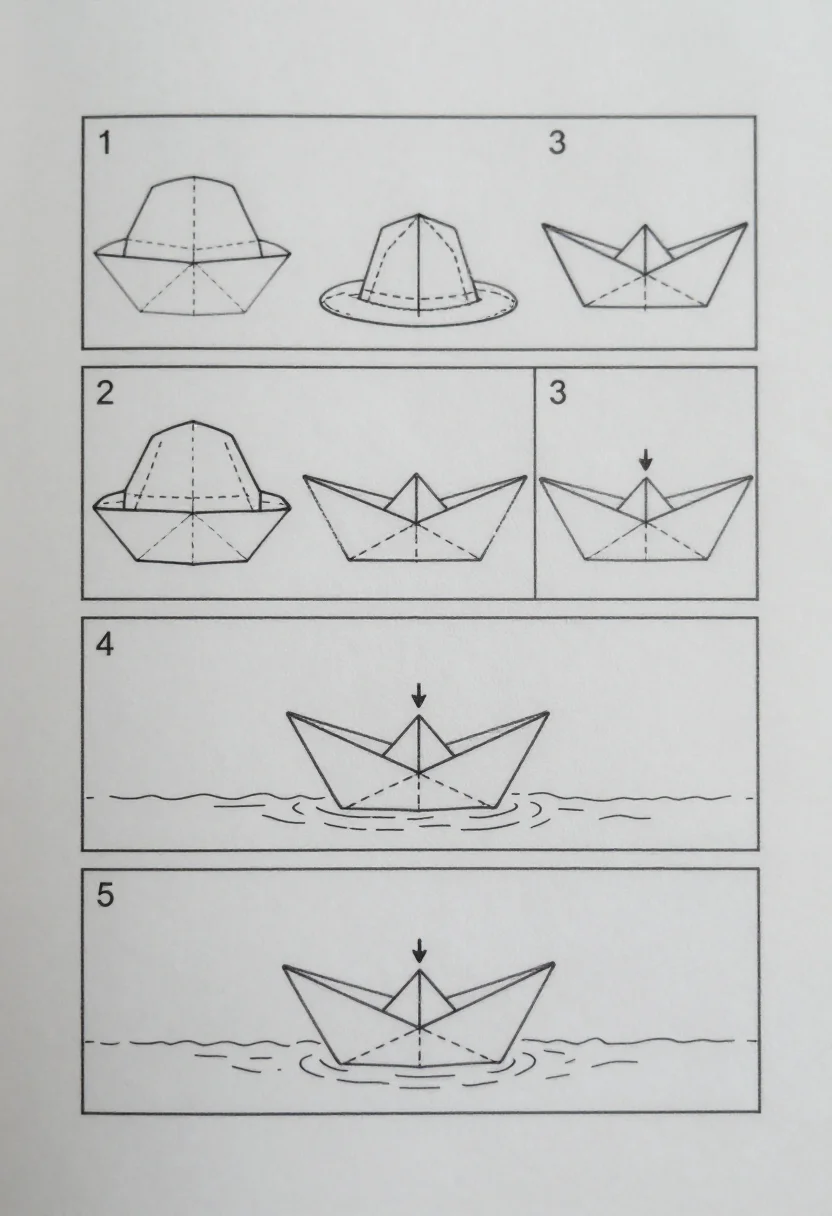
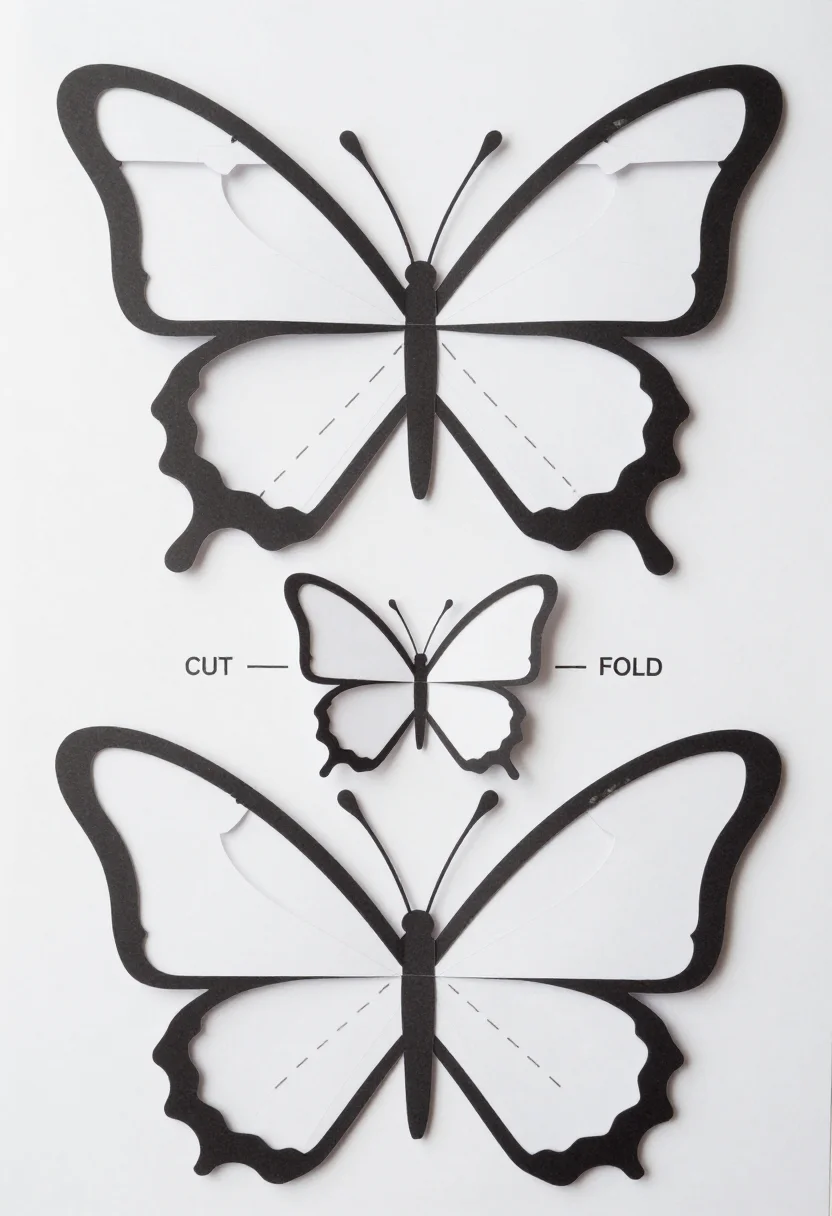
A pop-up page rises when a book opens, because a folded piece of paper is cut and glued into the spread. These nine pictures show three mechanisms: a V-fold that lifts a dragon, a box pop-up that stands up as a cube, and a step mechanism that raises a stage scene. Each comes as a colour-coded instruction, black line art or paper craft. Type a subject, such as a castle or a jungle, and the layout stays the same.
- a pop-up card for a birthday
- a page in a child's homemade book
- a classroom project on paper engineering
- a surprise centrepiece in a card
Frequently asked questions
- What do the nine pictures show?
- Printable spreads for three pop-up mechanisms, a V-fold, a box and a step pop-up, each in three styles.
- Is the spread flat when printed?
- Yes. Each template is printed flat with the gutter marked, and you cut and fold it before it opens.
- What is the difference between the styles?
- The colour-coded sheet uses solid red for cuts and dashed blue for folds. Black line art is a plain outline, and the paper craft style shows coloured paper for the rising piece.
- Can I ask for a different subject?
- Yes, type a subject such as a jungle. That is a request, and the rising piece may not match the sample.
About toile
This page is a showcase and a starting point: nine samples already rendered, three readings of the pack crossed with three styles, each shown at the size and ratio it was made for. Take any of them further on the wall with a few words, or ask for all nine again under your own direction; a sign-in keeps what you make, and it is free while Toile is new. The recipe behind each sample — the subject, the style, the palette, the framing — travels with the image rather than staying private to the render: it is in the alt text of every sample and in the page's own structured data, so a search engine reads the same handles a person would.