/preposition-charts · classroom
Preposition charts: place with pictures, time and movement
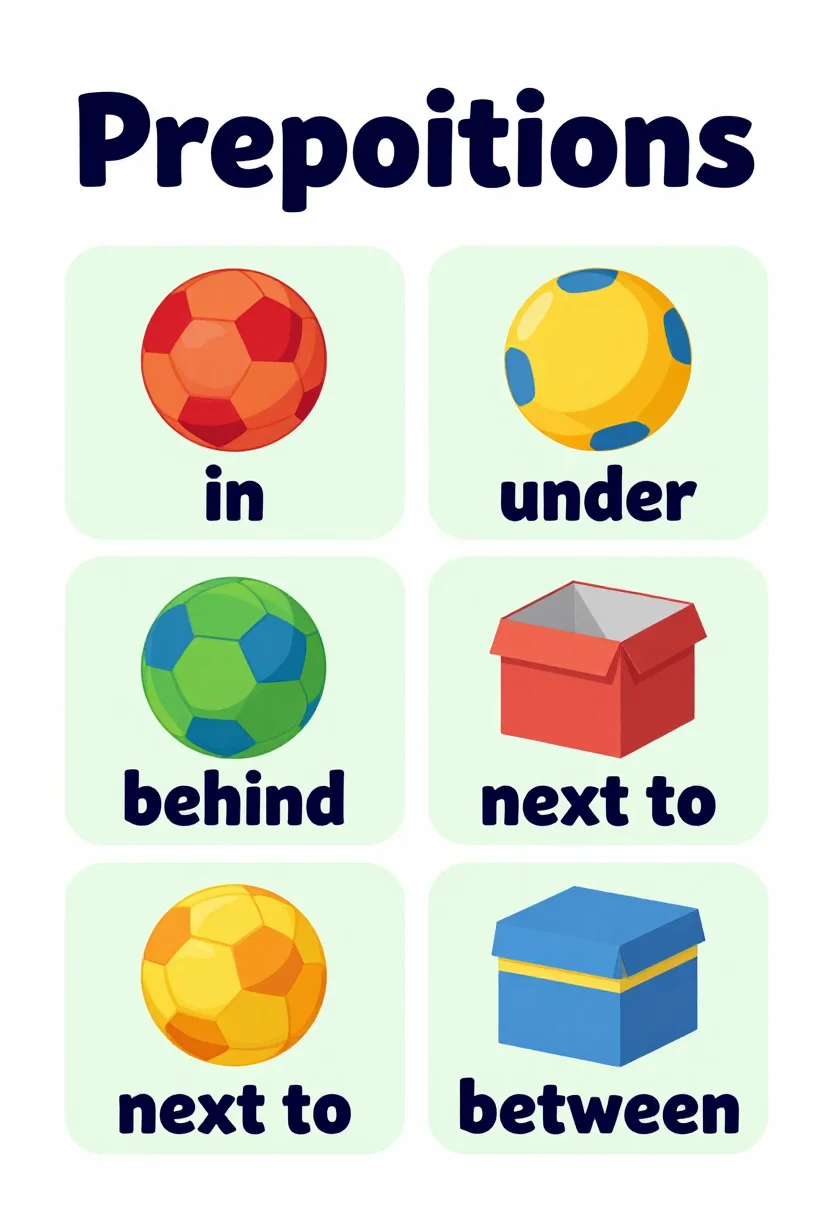
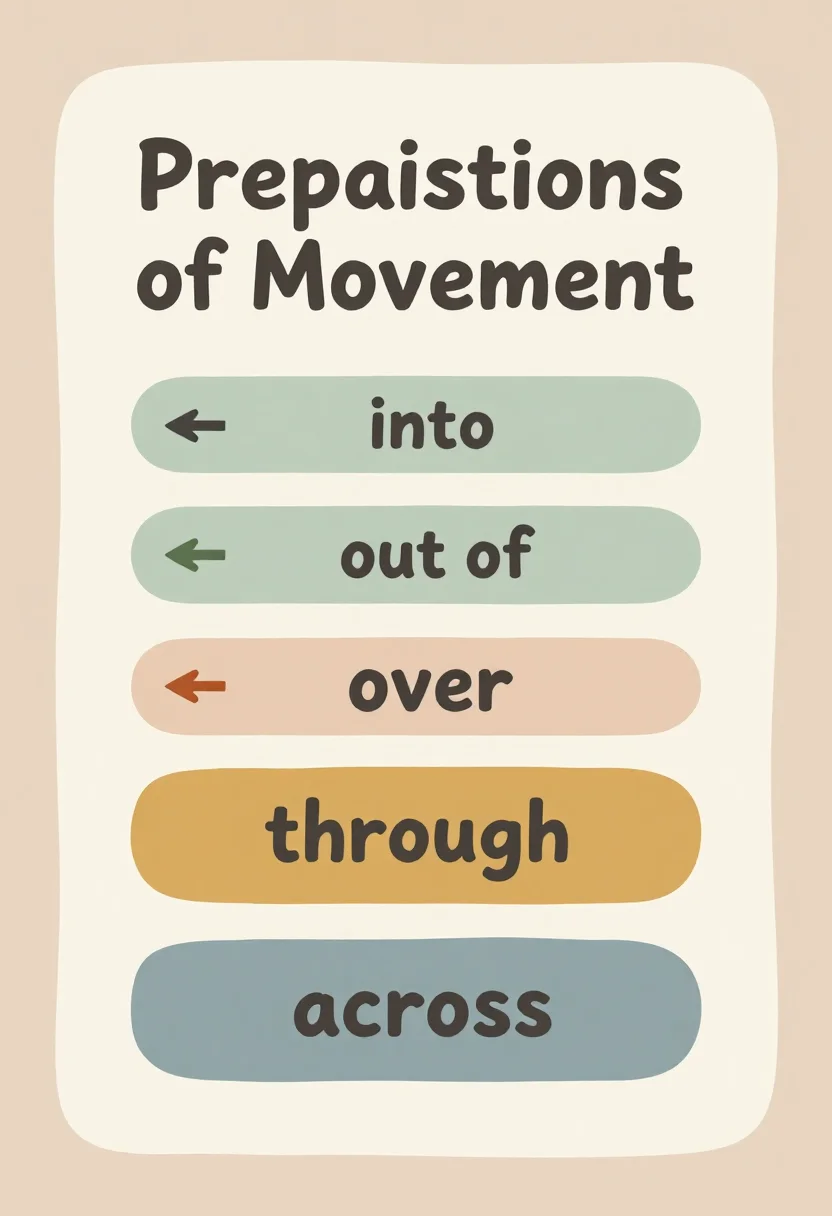
Make your ownPreposition charts
Describe yours. We'll remake the whole pack your way.
More like this
the whole catalog →
every sample — three subjects, three styles ↓
A preposition chart with a picture for each position word, for young children and English learners. The three charts show a ball in, on, under, behind, next to and between a box; set out in, on and at for time; and show arrows for movement such as into and across. Each comes as a bright flat poster, a crayon hand-drawn version or a boho pastel print. Type a direction such as between, and the same three styles follow it.
- a picture chart for an early years classroom
- an English learner's desk reference
- a pinboard for a speech class
- a flash sheet for a home learning corner
Frequently asked questions
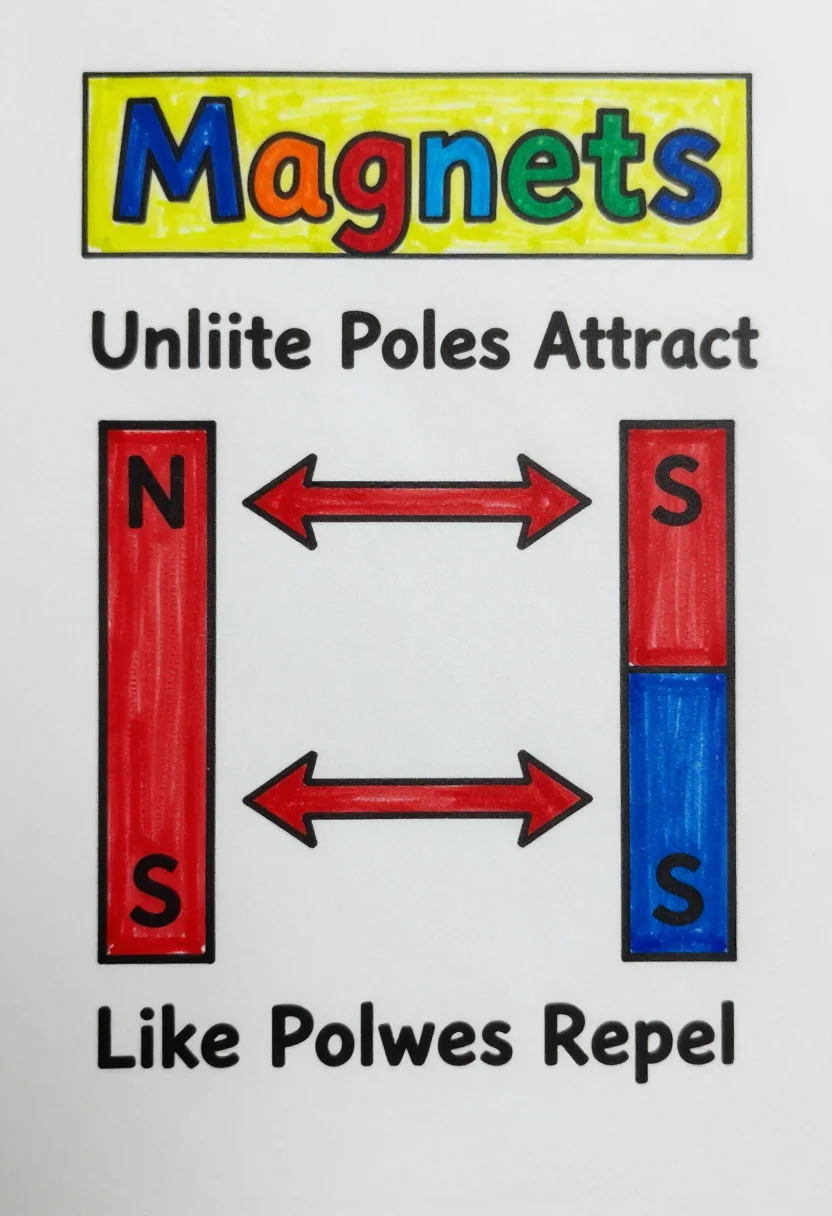
- What do the nine pictures show?
- Three charts in three styles: six place words shown with a ball and a box, three time pairs, and five movement arrows.
- How do the three styles differ?
- Bright flat is a clean poster in red, yellow, blue and green. Crayon hand-drawn has wobbly outlines and paper grain. Boho pastel is a calmer print in sage, terracotta and mustard.
- Can I change the picture?
- Yes. Type the direction you want, such as a teddy bear, and the chart follows it. That is a request, not a fixed result, so check the words before you print.
- Can I print it?
- Yes. Each picture is a tall portrait page with a margin, which suits a wall or a notebook page.
About toile
This page is a showcase and a starting point: nine samples already rendered, three readings of the pack crossed with three styles, each shown at the size and ratio it was made for. Take any of them further on the wall with a few words, or ask for all nine again under your own direction; a sign-in keeps what you make, and it is free while Toile is new. The recipe behind each sample — the subject, the style, the palette, the framing — travels with the image rather than staying private to the render: it is in the alt text of every sample and in the page's own structured data, so a search engine reads the same handles a person would.