/press-on-nail-size-charts · beauty
Press-on nail size charts: how to measure, sizes 0 to 9, an order sheet
Make your ownPress-on nail size charts
Describe yours. We'll remake the whole pack your way.
More like this
the whole catalog →
every sample — three subjects, three styles ↓
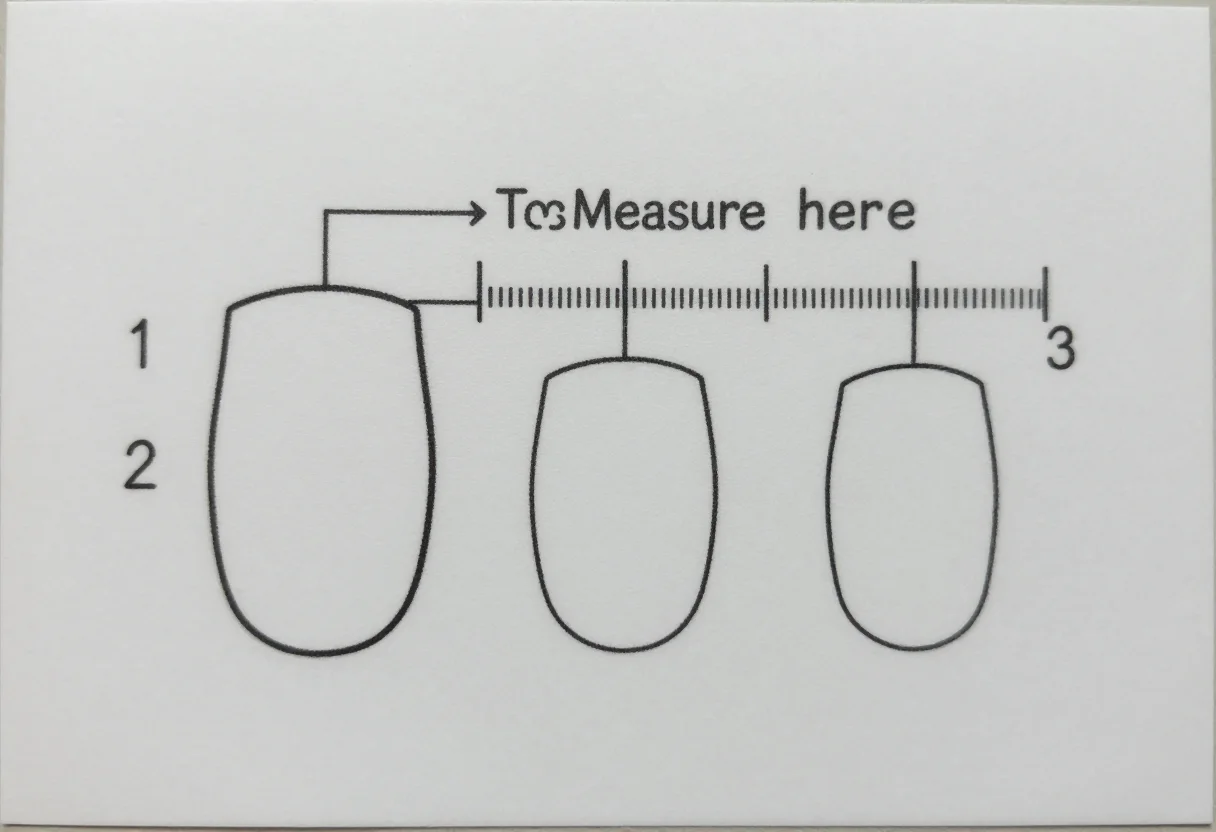
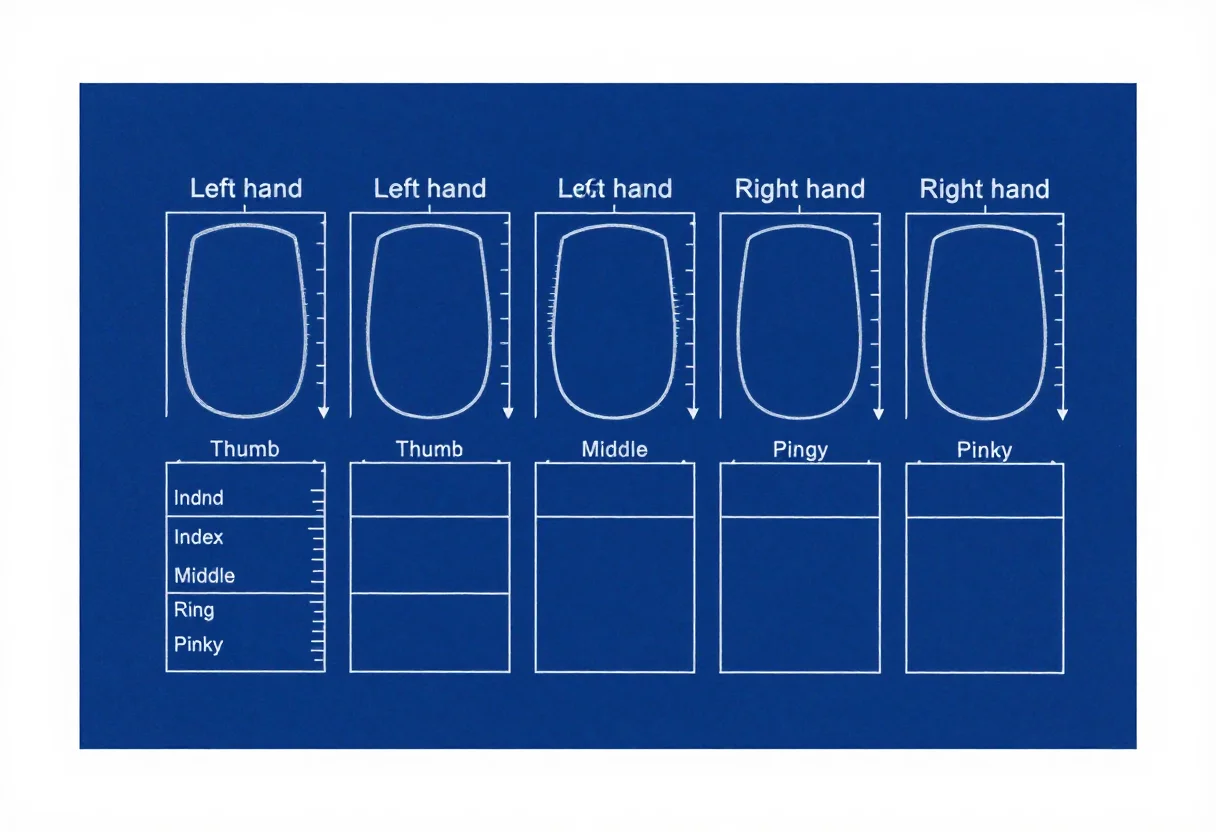
A press-on nail size chart helps you measure each nail and find its size before you order. One picture shows a nail with a tape across its widest point and three steps for measuring. Another shows ten tip outlines numbered 0 to 9, from widest to narrowest. A third is an order sheet with boxes for each finger on both hands. Type a shape, such as almond shape, and the chart is drawn for it.
- measuring nails before ordering
- a seller's size guide for customers
- filling in an order for both hands
- making press-ons at home
Frequently asked questions
- How do I measure a nail?
- Place the tape across the widest point of the nail, following the three steps on the first picture, and write the width in millimetres.
- What do the numbers 0 to 9 mean?
- They run from the widest tip, 0, to the narrowest, 9. Find the tip that matches your width and note its number.
- Can I type a different shape?
- Yes. Type the shape you want, such as toe nails, and the chart is drawn for it in place of the one shown.
- What do the three styles look like?
- The line guide is thin black outline with ruled tick marks, the salon version is a flat coral and blush sheet, and the blueprint version is white lines on deep blue.
About toile
This page is a showcase and a starting point: nine samples already rendered, three readings of the pack crossed with three styles, each shown at the size and ratio it was made for. Take any of them further on the wall with a few words, or ask for all nine again under your own direction; a sign-in keeps what you make, and it is free while Toile is new. The recipe behind each sample — the subject, the style, the palette, the framing — travels with the image rather than staying private to the render: it is in the alt text of every sample and in the page's own structured data, so a search engine reads the same handles a person would.