/profile-banners · creator
LinkedIn banner and Twitter header designs: abstract, ridge and desk in three finishes
Make your ownProfile banners
Describe yours. We'll remake the whole pack your way.
More like this
the whole catalog →
every sample — three subjects, three styles ↓
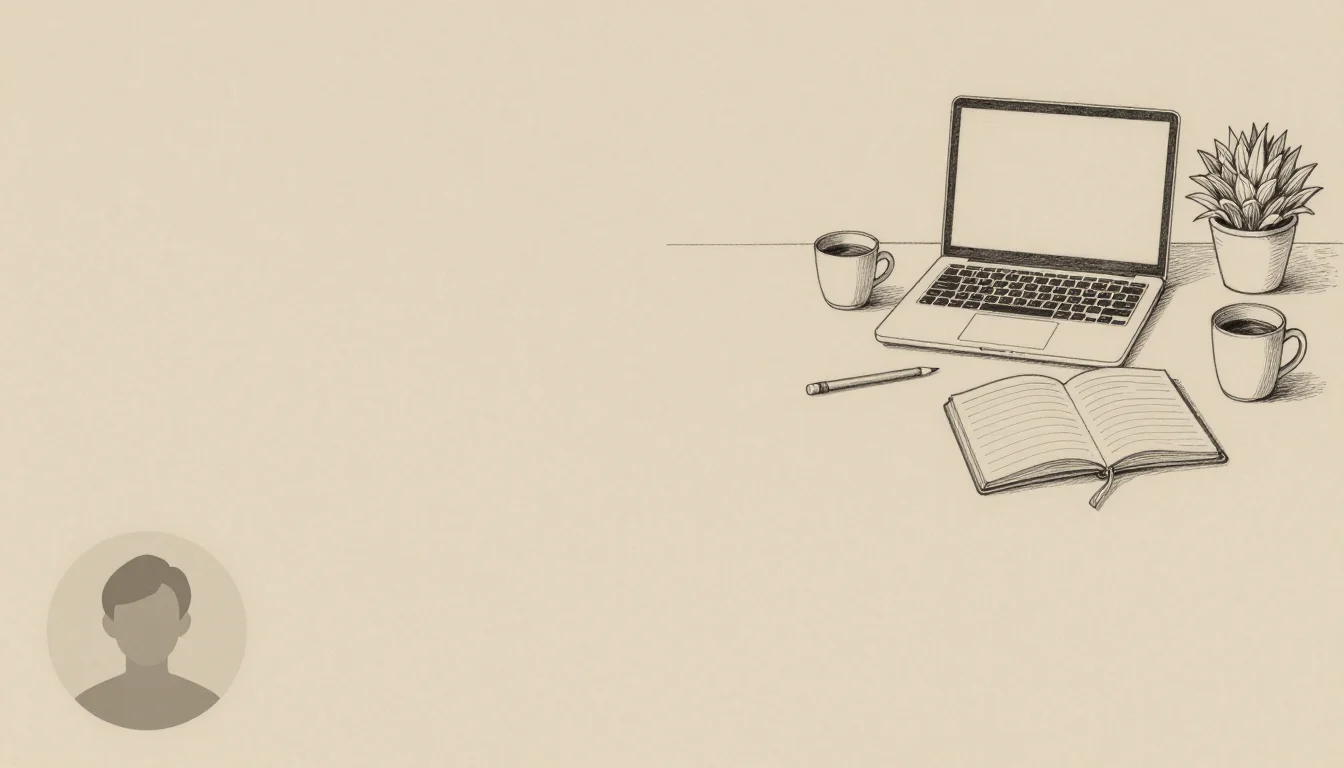
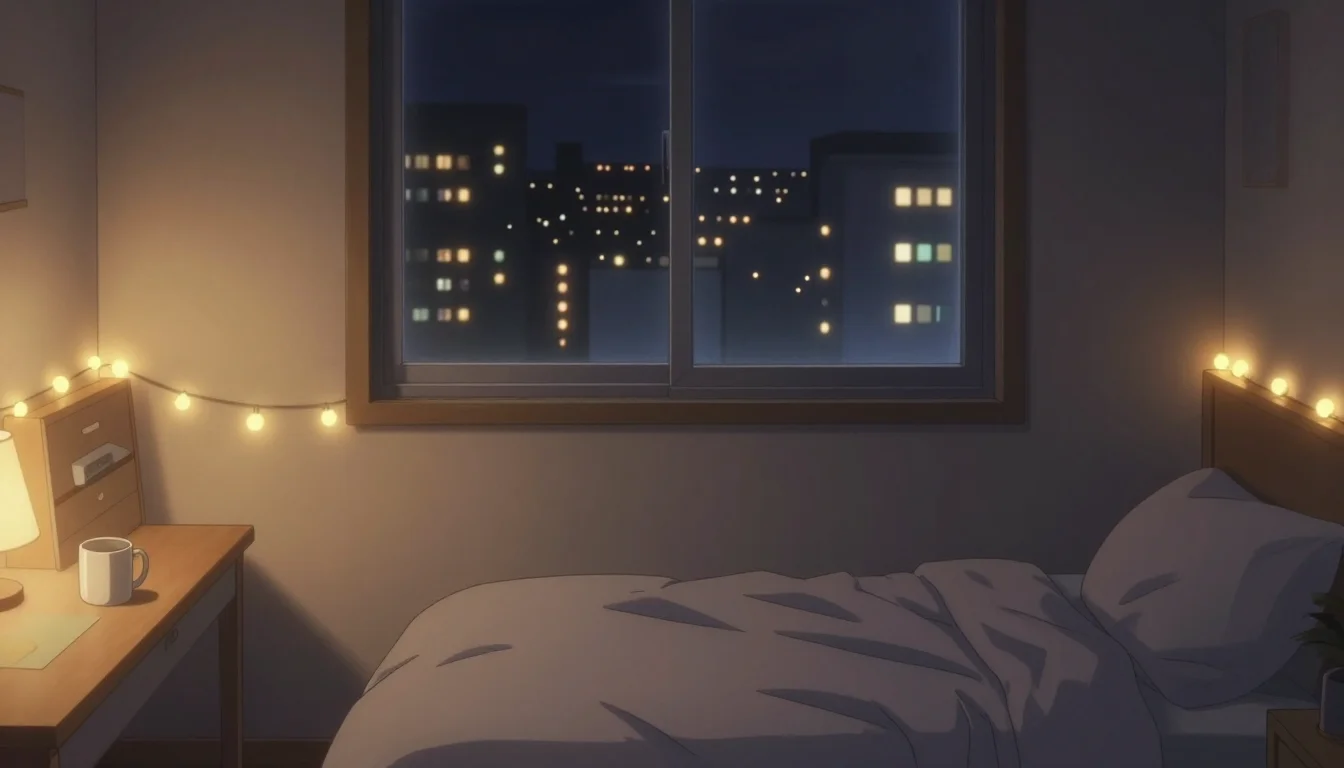
A profile banner sits behind the avatar circle, so the lower-left corner has to stay quiet. These nine are built that way: an abstract wash, a mountain ridge and a desk flat-lay, each in a soft gradient, geometric or line-and-ink finish — wide, professional, no text. Download the banner, or ask for a different scene.
- a LinkedIn profile header
- an X (Twitter) profile header
- a professional rebrand across platforms
- a quiet backdrop that won't fight the avatar photo
Frequently asked questions
- What size does the banner export at?
- Each design renders at 1344 by 768 pixels, close to LinkedIn's 1584×396 and Twitter's 1500×500 headers — both crop from the same wide, avatar-aware composition.
- Is the avatar area really left clear?
- Yes — every design keeps the lower-left corner calm and uncluttered by construction, where the round avatar overlaps the banner.
- Can I get a different scene, like a skyline?
- Yes — type it into the direction field and the banner is redrawn in the same three finishes.
About toile
This page is a showcase and a starting point: nine samples already rendered, three readings of the pack crossed with three styles, each shown at the size and ratio it was made for. Take any of them further on the wall with a few words, or ask for all nine again under your own direction; a sign-in keeps what you make, and it is free while Toile is new. The recipe behind each sample — the subject, the style, the palette, the framing — travels with the image rather than staying private to the render: it is in the alt text of every sample and in the page's own structured data, so a search engine reads the same handles a person would.