/puzzle-handouts · tabletop
Puzzle handouts: riddle, cipher wheel, rune grid
Make your ownPuzzle handouts
Describe yours. We'll remake the whole pack your way.
More like this
the whole catalog →
every sample — three subjects, three styles ↓
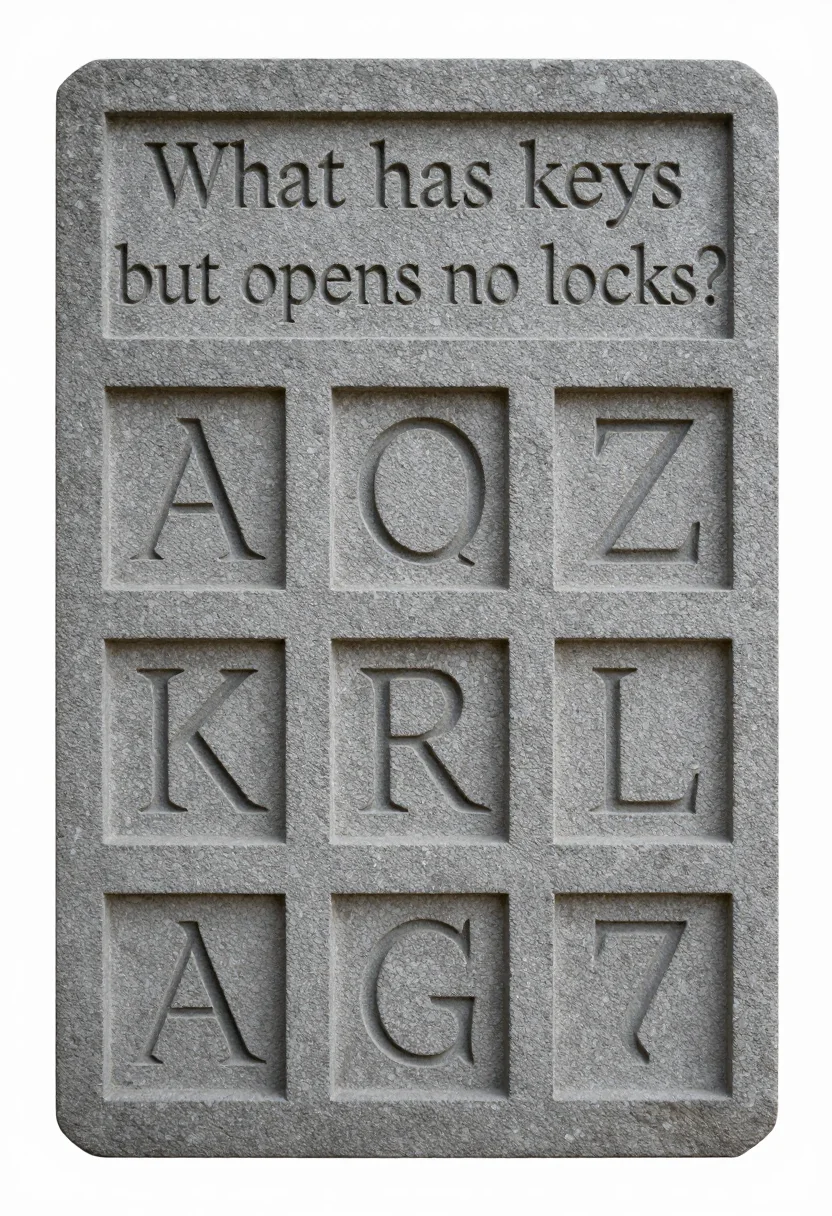
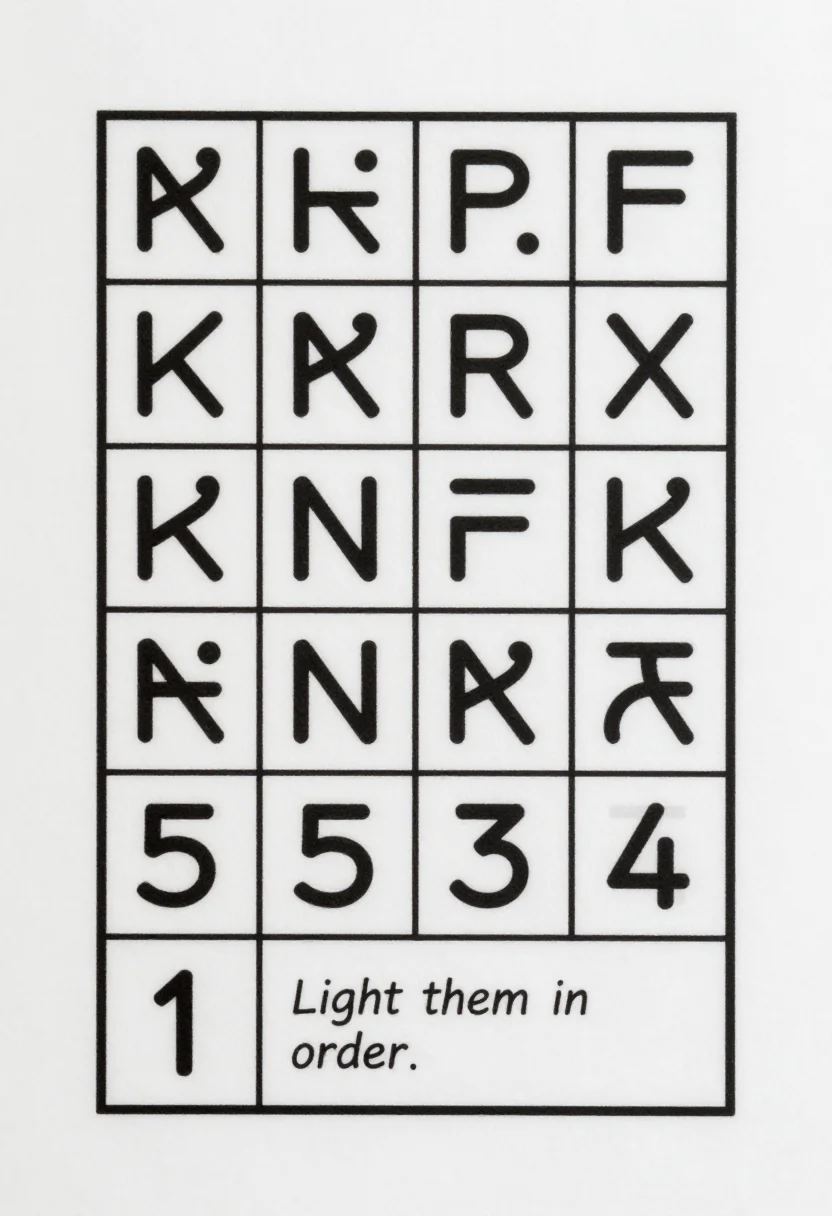
Printable puzzles to hand players at the table or to use in an escape room. The samples are a riddle carved over a door with five empty answer slots, a two-ring cipher wheel with a line of runes to decode, and a 4 by 4 rune grid with a key. Each is laid out to read at a glance. Styles: carved stone, parchment and plain print. Type a direction, such as sphinx, and it is a request for it.
- a riddle on a door in a dungeon
- a cipher for a treasure hunt
- a rune lock for an escape room
- a puzzle for a family game night
Frequently asked questions
- Does the riddle page give the answer?
- No. It shows the question and an empty answer row. The rune grid page prints its key on the page.
- How does the cipher wheel work?
- It has two rings: letters on the outer ring and rune symbols on the inner ring. A coded line under the heading Decode is set in the runes.
- How do the three styles differ?
- Carved stone is gray stone with deep engraved lines. Parchment is dark brown ink on warm tan. Plain print is black ink on white, easy to photocopy.
About toile
This page is a showcase and a starting point: nine samples already rendered, three readings of the pack crossed with three styles, each shown at the size and ratio it was made for. Take any of them further on the wall with a few words, or ask for all nine again under your own direction; a sign-in keeps what you make, and it is free while Toile is new. The recipe behind each sample — the subject, the style, the palette, the framing — travels with the image rather than staying private to the render: it is in the alt text of every sample and in the page's own structured data, so a search engine reads the same handles a person would.