/reading-response-journals · classroom
Reading response journal pages: predict, connect and summarize
Make your ownReading response
Describe yours. We'll remake the whole pack your way.
More like this
the whole catalog →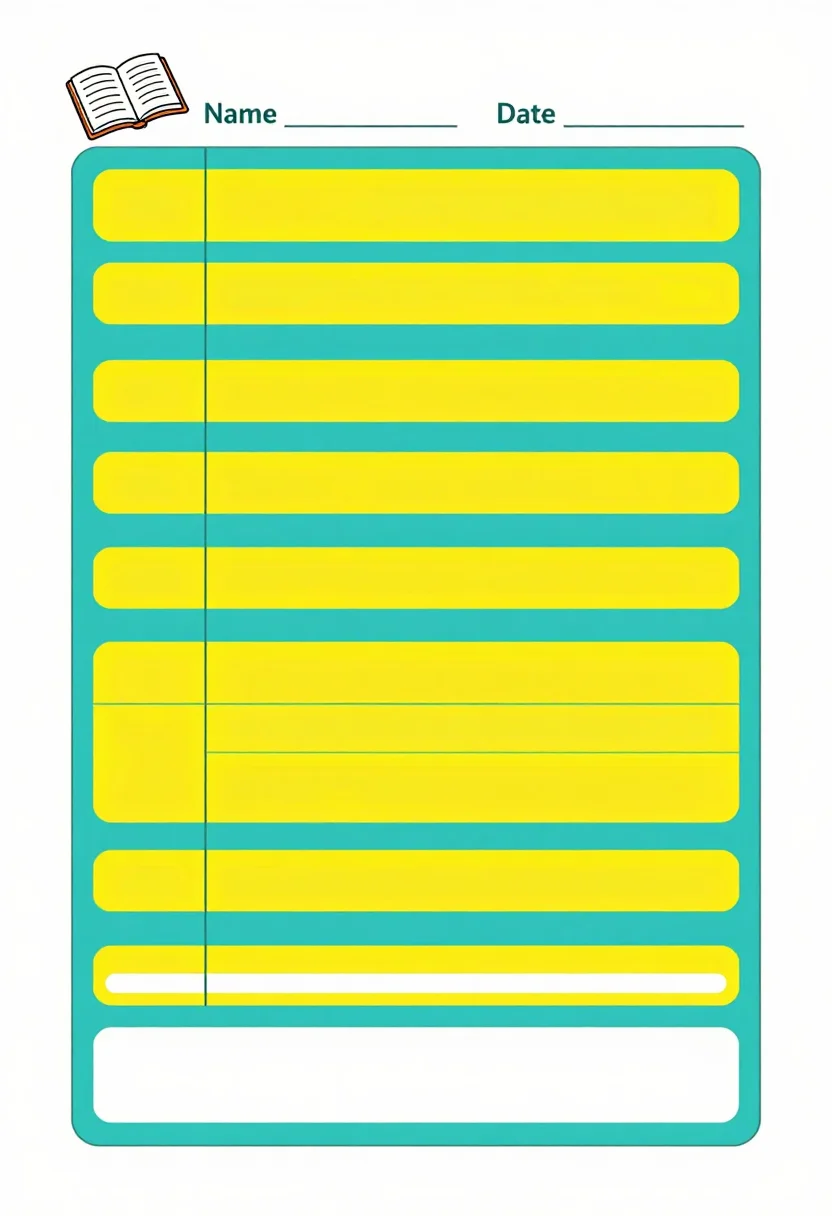

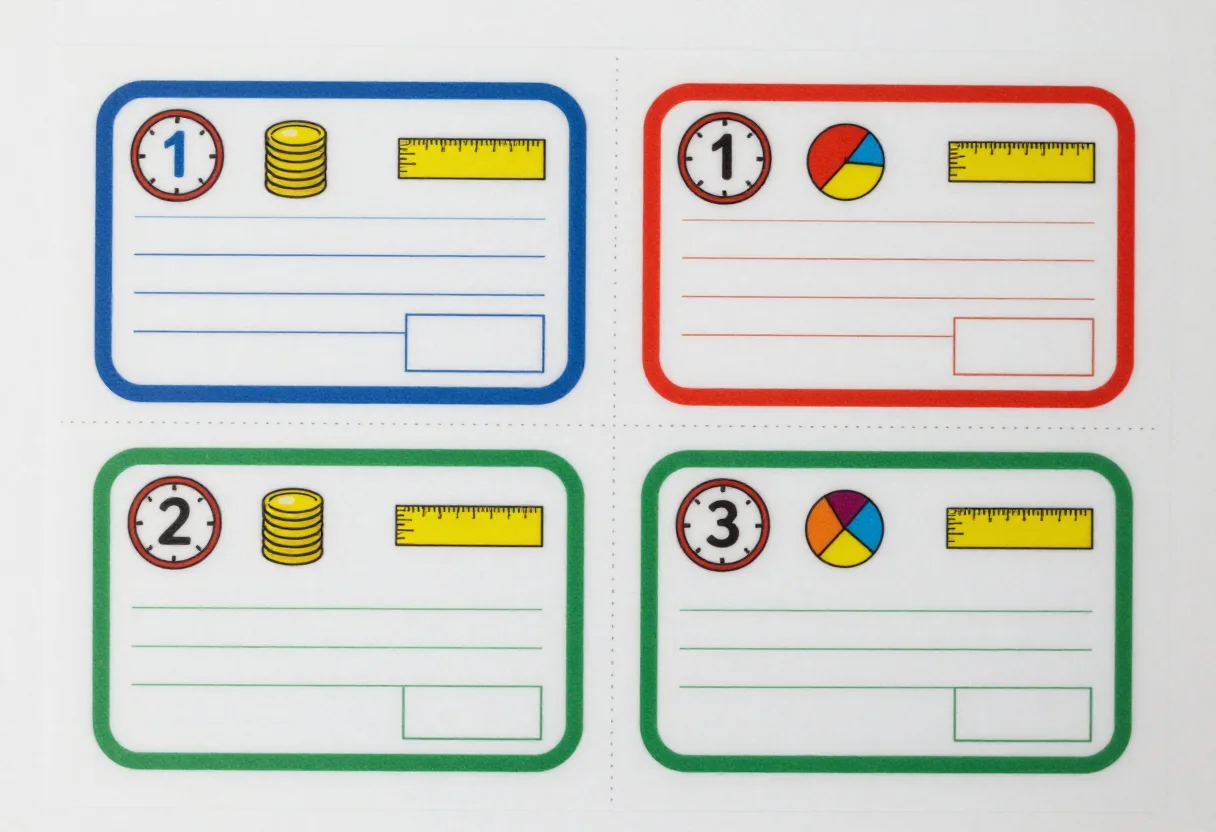
every sample — three subjects, three styles ↓
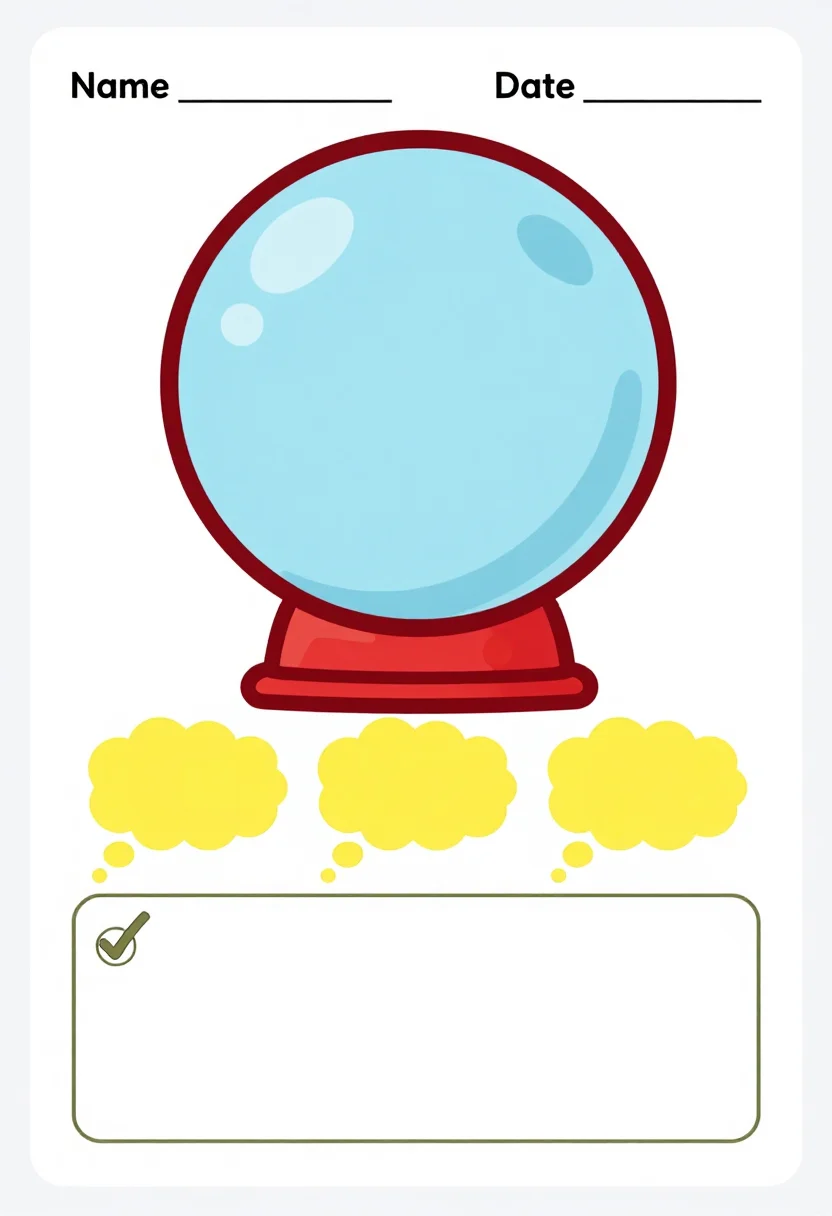
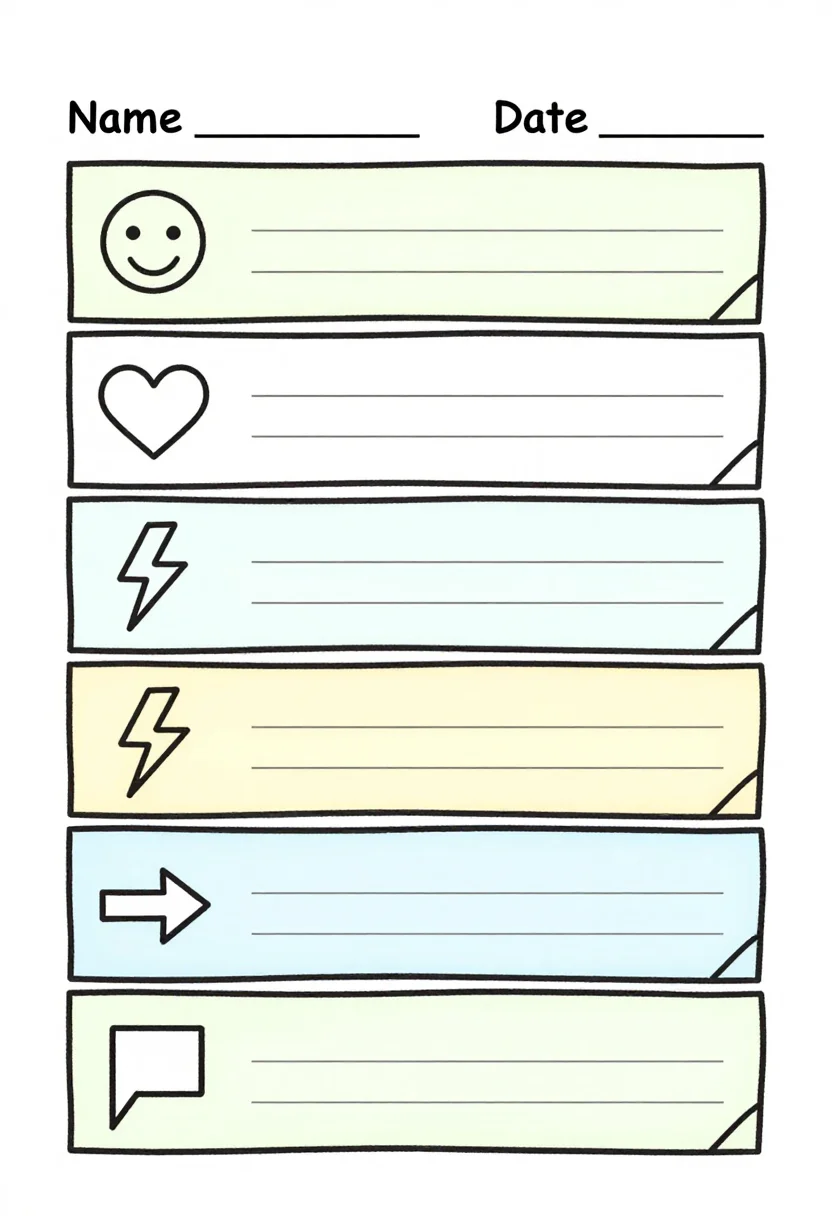
The reading-response page asks one thing of the reader — predict, connect, question, summarize — and gives a shape to answer in: a thought bubble, a chain of links, a sticky-note grid. These nine cover three strategies, each drawn as its own shape, with the writing left blank. Type a different strategy or shape and the page redraws.
- a reading response journal page for independent reading
- a reading strategies worksheet for small groups
- a guided reading comprehension activity
- an interactive notebook insert
- a reading center response station
Frequently asked questions
- Is the response already written on the page?
- No — the thought bubble, chain, or sticky-note grid is blank. Students write their prediction, connection, question, or summary into the shape.
- What reading strategies are covered?
- Three readings: predict, connect, and question/summarize — each drawn with a different shape to answer in.
- Can this be used with any book?
- Yes — the response shapes are general-purpose and pair with whatever book or passage the class is reading.
- How is this different from a plain reading response worksheet?
- A plain worksheet is usually a lined page with a prompt at top; these draw a shape — a thought bubble, a chain, a grid — that makes the strategy visual, not just textual.
About toile
This page is a showcase and a starting point: nine samples already rendered, three readings of the pack crossed with three styles, each shown at the size and ratio it was made for. Take any of them further on the wall with a few words, or ask for all nine again under your own direction; a sign-in keeps what you make, and it is free while Toile is new. The recipe behind each sample — the subject, the style, the palette, the framing — travels with the image rather than staying private to the render: it is in the alt text of every sample and in the page's own structured data, so a search engine reads the same handles a person would.