/republic-day-drawings · faith
Republic Day drawings: flag, India Gate, the Constitution
Make your ownRepublic Day drawings
Describe yours. We'll remake the whole pack your way.
More like this
the whole catalog →


every sample — three subjects, three styles ↓
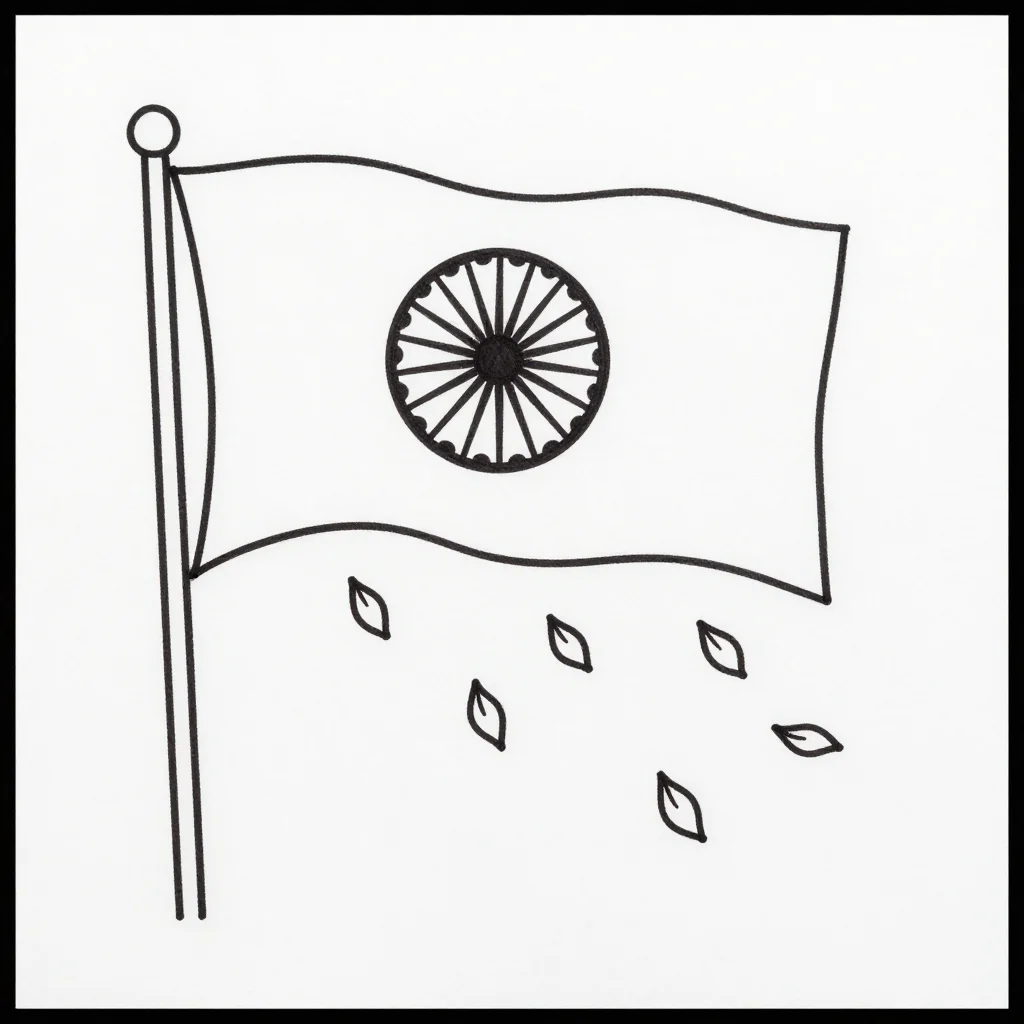
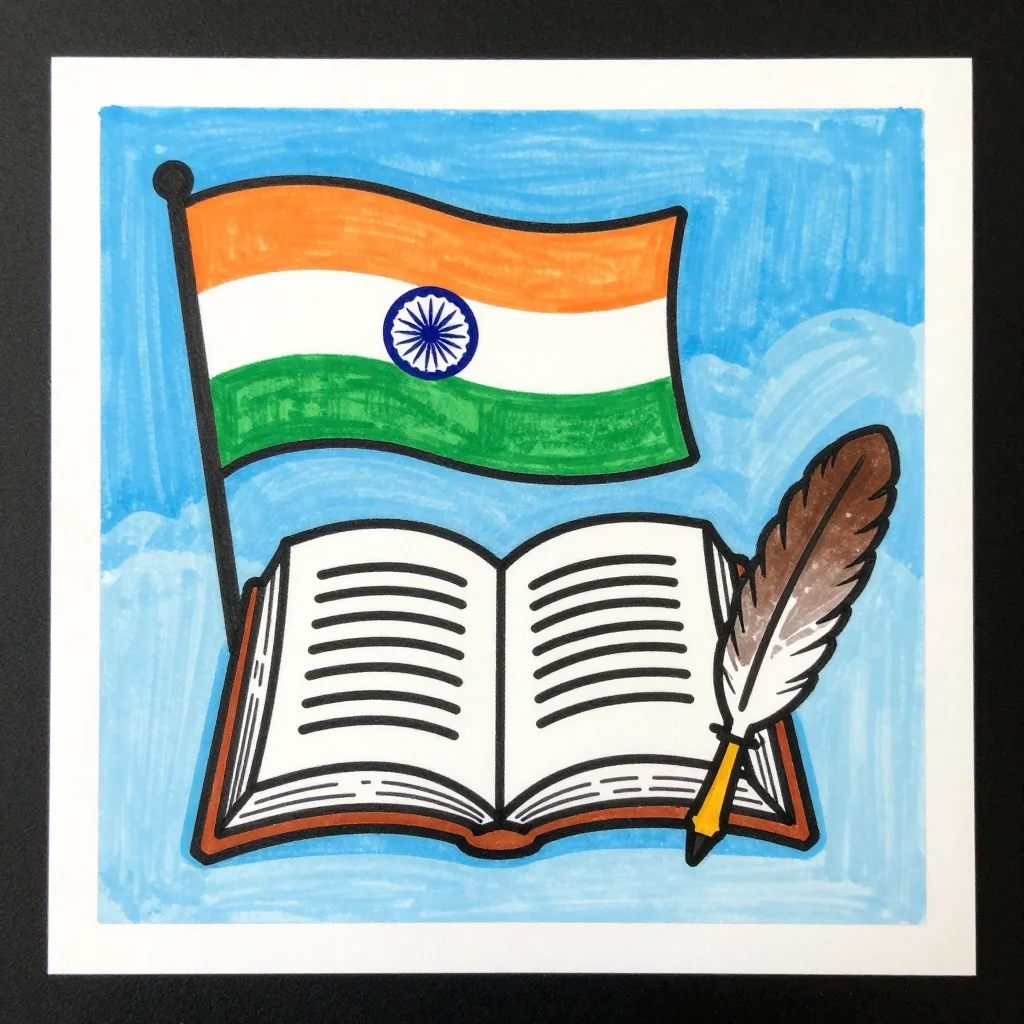
Drawings for 26 January, the day the Constitution of India came into force in 1950, for school drawing work. The nine show the flag on a tall pole with the Ashoka Chakra, India Gate on Kartavya Path, and an open Constitution with a quill. Each is a drawing a student can copy and colour in saffron, white and green. Type a different subject and the drawing is made to that request.
- a drawing for a school competition
- a notebook cover for 26 January
- a display board in a classroom
- a copy-and-colour sheet at home
Frequently asked questions
- Which style suits a young child?
- The line drawing is black outline with no shading, so a child can colour it in; the colour pencil and poster colour styles are already coloured.
- Why 26 January?
- On 26 January 1950 the Constitution of India came into force, and the drawings mark that day.
- What is the difference between the three styles?
- Line drawing is black outline art; colour pencil uses saffron, green and navy with the white band left as paper; poster colour uses flat paint inside thick black outlines on a sky-blue ground.
- Can I change the subject?
- Yes. Type a different subject or twist and the drawing is made to that request; the nine samples stay as shown.
About toile
This page is a showcase and a starting point: nine samples already rendered, three readings of the pack crossed with three styles, each shown at the size and ratio it was made for. Take any of them further on the wall with a few words, or ask for all nine again under your own direction; a sign-in keeps what you make, and it is free while Toile is new. The recipe behind each sample — the subject, the style, the palette, the framing — travels with the image rather than staying private to the render: it is in the alt text of every sample and in the page's own structured data, so a search engine reads the same handles a person would.