/retro-letters · illustration
Retro letters: a 70s groovy word, a 50s diner script, an 80s chrome title
Make your ownRetro letters
Describe yours. We'll remake the whole pack your way.
More like this
the whole catalog →
every sample — three subjects, three styles ↓
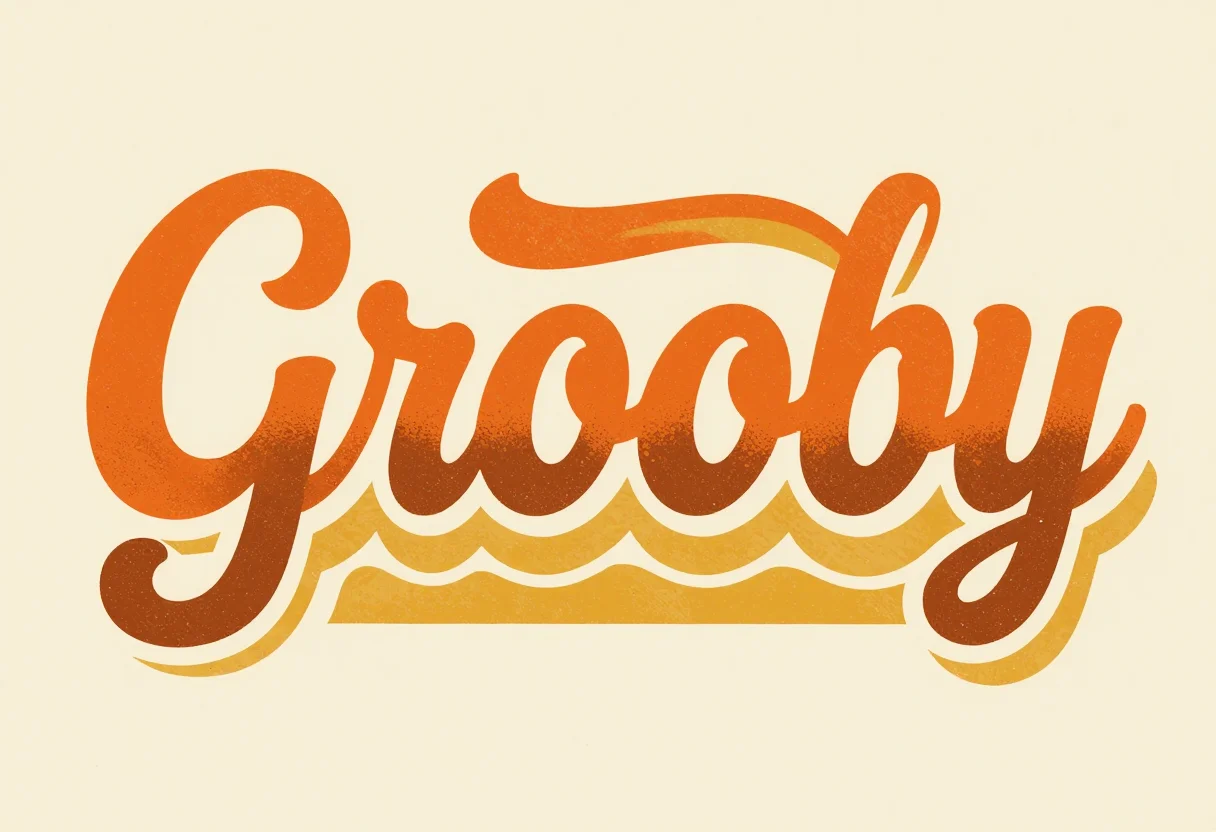
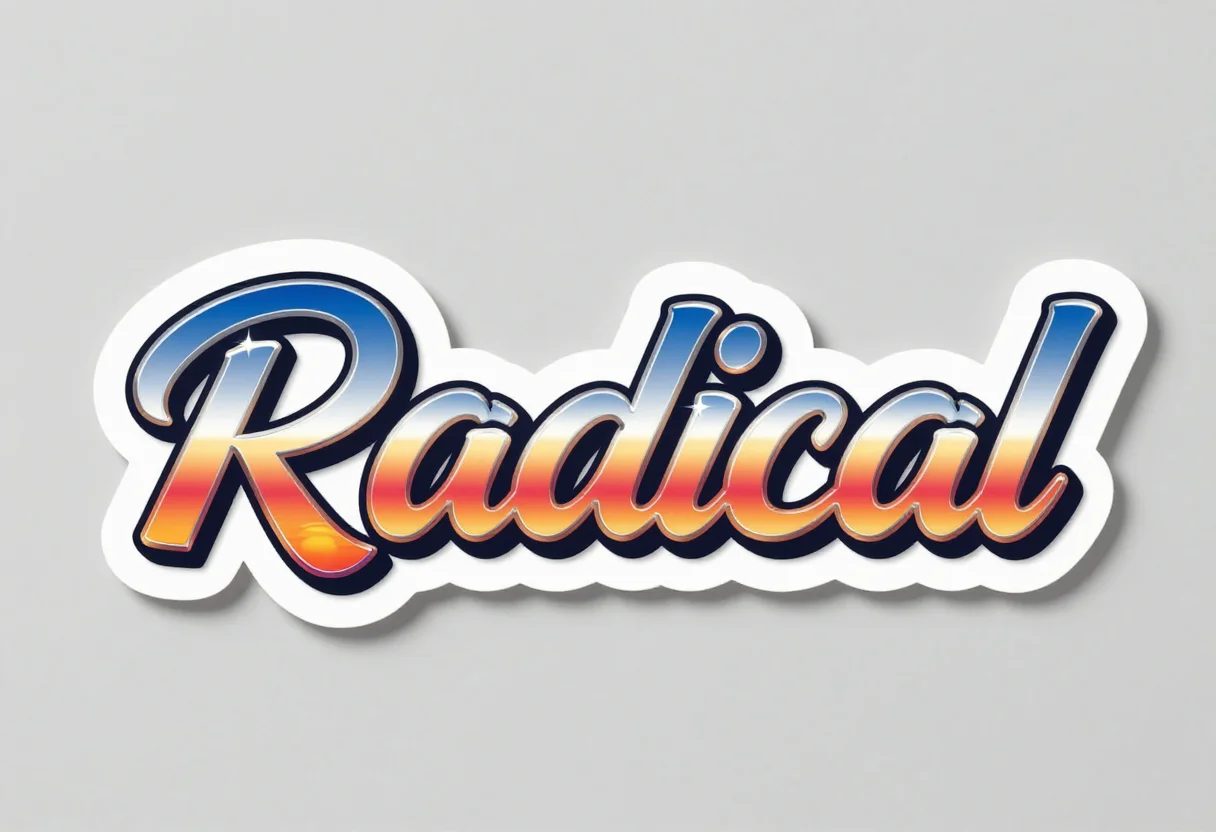
Retro letters are lettering from past decades for shirts, posters and party signs. The nine pieces give the word Groovy in fat wavy 70s letters, the words Open Late in a 50s diner script with a tail swash, and Radical in 80s chrome letters with a horizon line. Each era is shown as a two-pass screen print, a flat vector, or a die-cut sticker. Ask for psychedelic, neon pink or your name, and the era lettering is set that way.
- a party sign with a decade theme
- a t-shirt design
- a poster title
- a sticker for a party favor
Frequently asked questions
- Which words are used?
- Groovy for the 70s, Open Late for the 50s diner and Radical for the 80s.
- What does the screen print look like?
- Two passes of ink with slight misregistration and a soft halftone texture, like a worn print.
- Can I get a different word?
- Yes. Ask for your name, psychedelic or neon pink, and the era lettering is set to that.
- Are these only for shirts?
- No. The sheets also suit posters and party signs.
About toile
This page is a showcase and a starting point: nine samples already rendered, three readings of the pack crossed with three styles, each shown at the size and ratio it was made for. Take any of them further on the wall with a few words, or ask for all nine again under your own direction; a sign-in keeps what you make, and it is free while Toile is new. The recipe behind each sample — the subject, the style, the palette, the framing — travels with the image rather than staying private to the render: it is in the alt text of every sample and in the page's own structured data, so a search engine reads the same handles a person would.