/rickshaw-art · ornament
Rickshaw art: painted tin plate, decorated hood
Make your ownRickshaw art
Describe yours. We'll remake the whole pack your way.
More like this
the whole catalog →
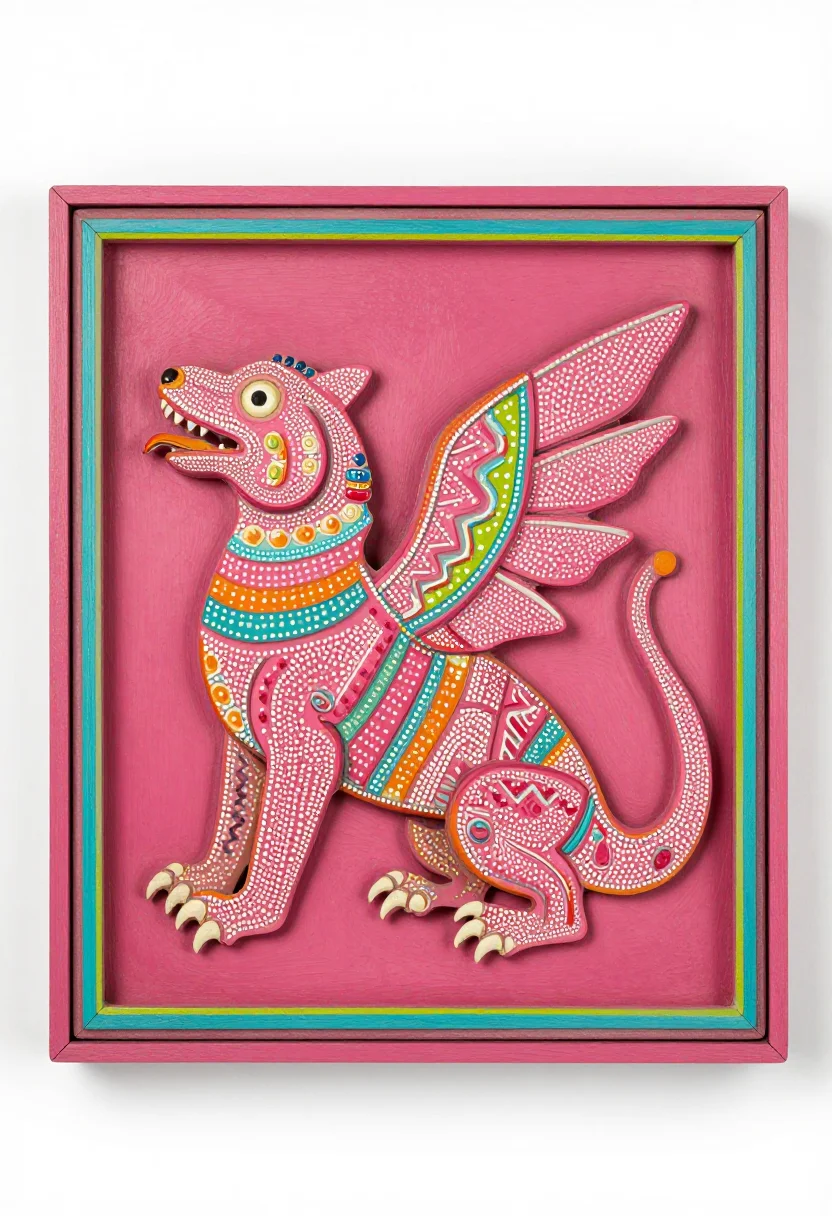
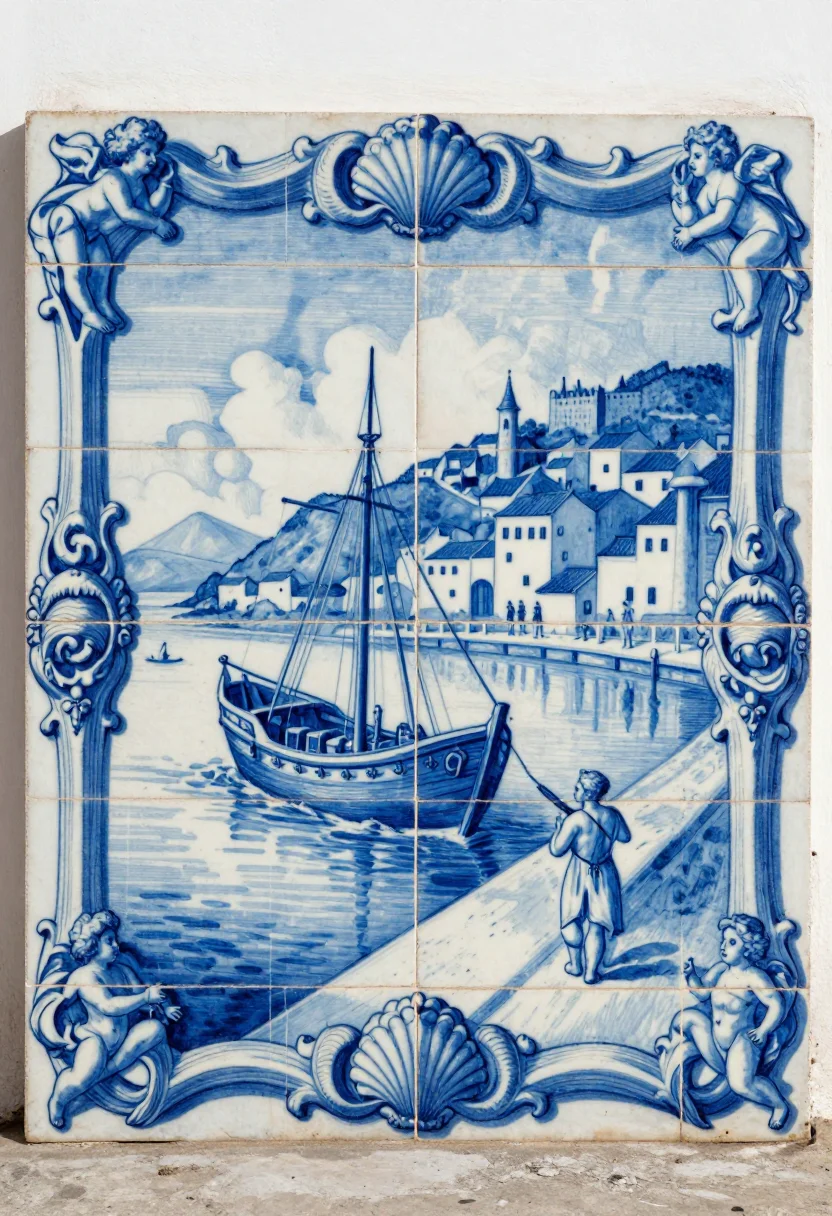
every sample — three subjects, three styles ↓
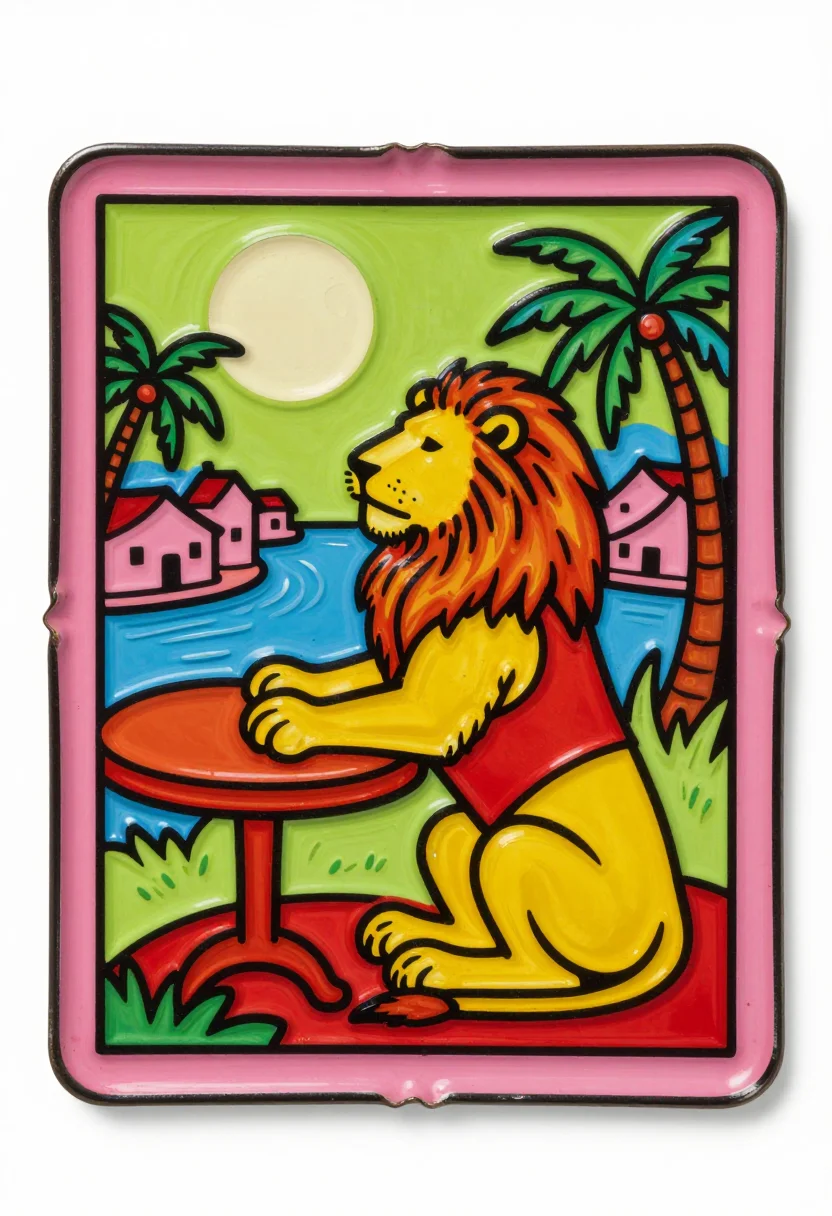
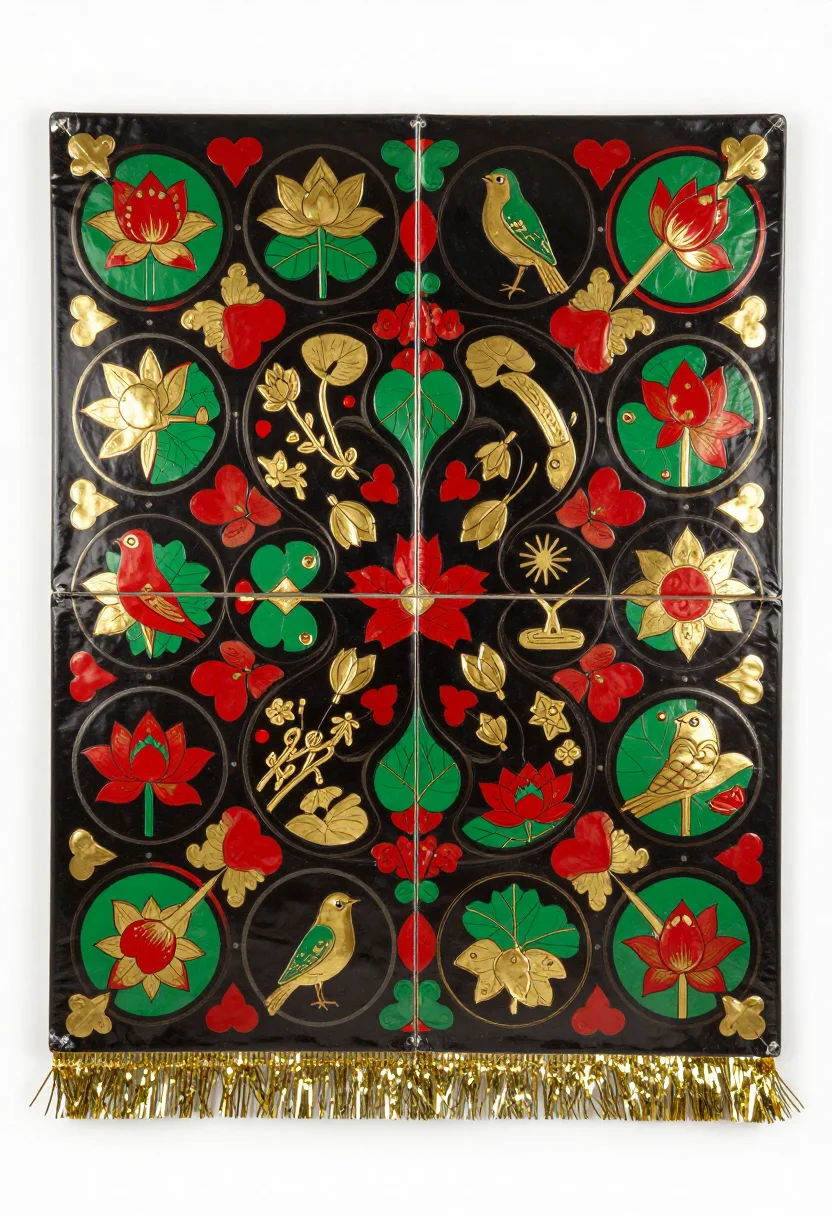
Dhaka cycle rickshaws carry a painted tin plate at the back and a decorated hood above it: film stars, animals in waistcoats, a rural idyll, a city that does not exist yet. Enamel or tin, thick black outlines, plastic flowers and tinsel over everything. These nine render a plate scene across three treatments. Ask for a different scene — a river landscape, a folk tale, a floral border — and the same painted-plate structure carries it.
- a home decor accent piece
- a gift print for a heritage-conscious buyer
- a cultural studies handout
- a poster or wall art print
Frequently asked questions
- What size do these print at?
- Each render is composed at a proportion suited to standard paper sizes, printing clean at A3 or scaling to A4.
- Can I get a different scene, like a river landscape or a folk tale?
- Yes — the direction field takes any scene, and the same painted-plate structure renders it.
- Why does it show a 'city that doesn't exist'?
- Rickshaw plate painters often invent idealised, imagined scenery rather than depicting a real place — this set keeps that invented, idyllic quality rather than a documentary one.
- Is this respectful of real rickshaw art traditions?
- The set draws on the Bangladeshi rickshaw art tradition's visual technique — enamel-on-tin plates with thick outline and applied ornament — as a style reference for a generated print, not a reproduction of any specific decorated rickshaw.
About toile
This page is a showcase and a starting point: nine samples already rendered, three readings of the pack crossed with three styles, each shown at the size and ratio it was made for. Take any of them further on the wall with a few words, or ask for all nine again under your own direction; a sign-in keeps what you make, and it is free while Toile is new. The recipe behind each sample — the subject, the style, the palette, the framing — travels with the image rather than staying private to the render: it is in the alt text of every sample and in the page's own structured data, so a search engine reads the same handles a person would.