/rock-cycle-diagrams · classroom
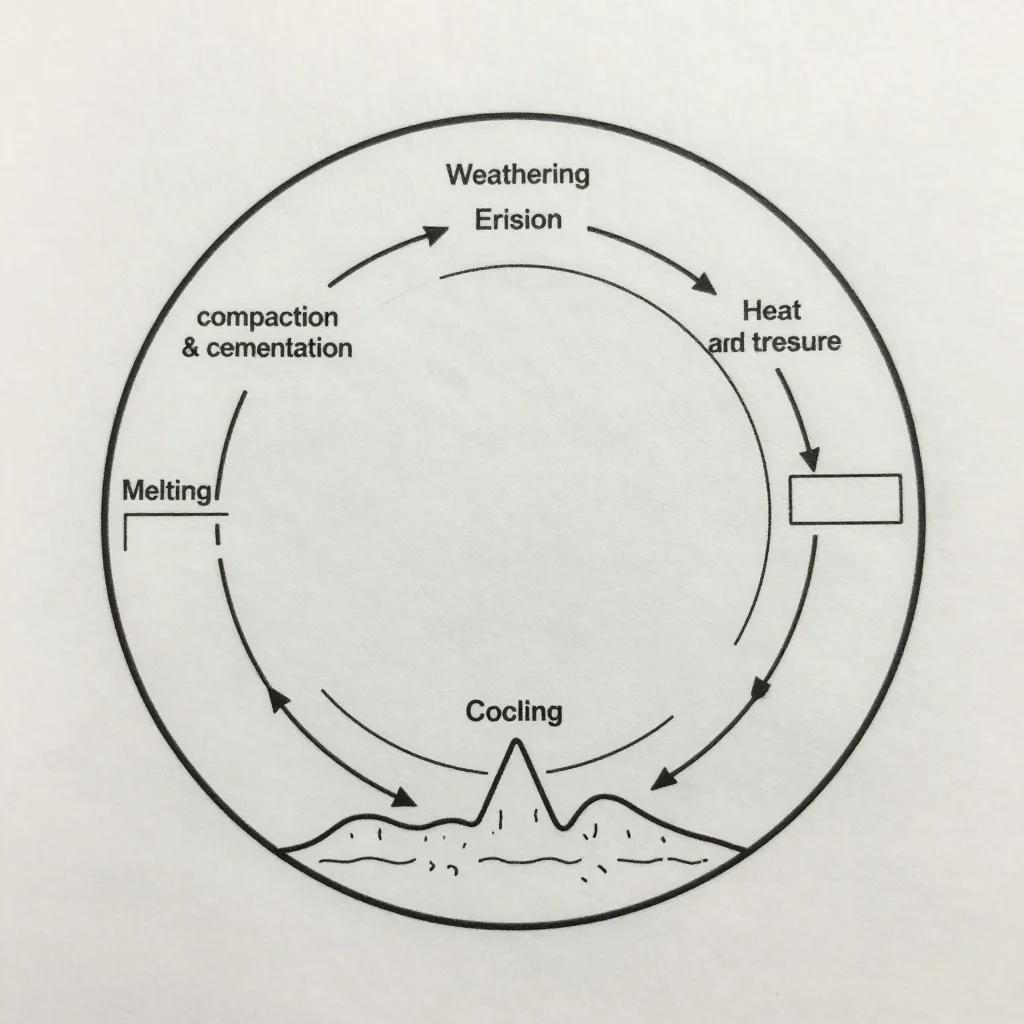
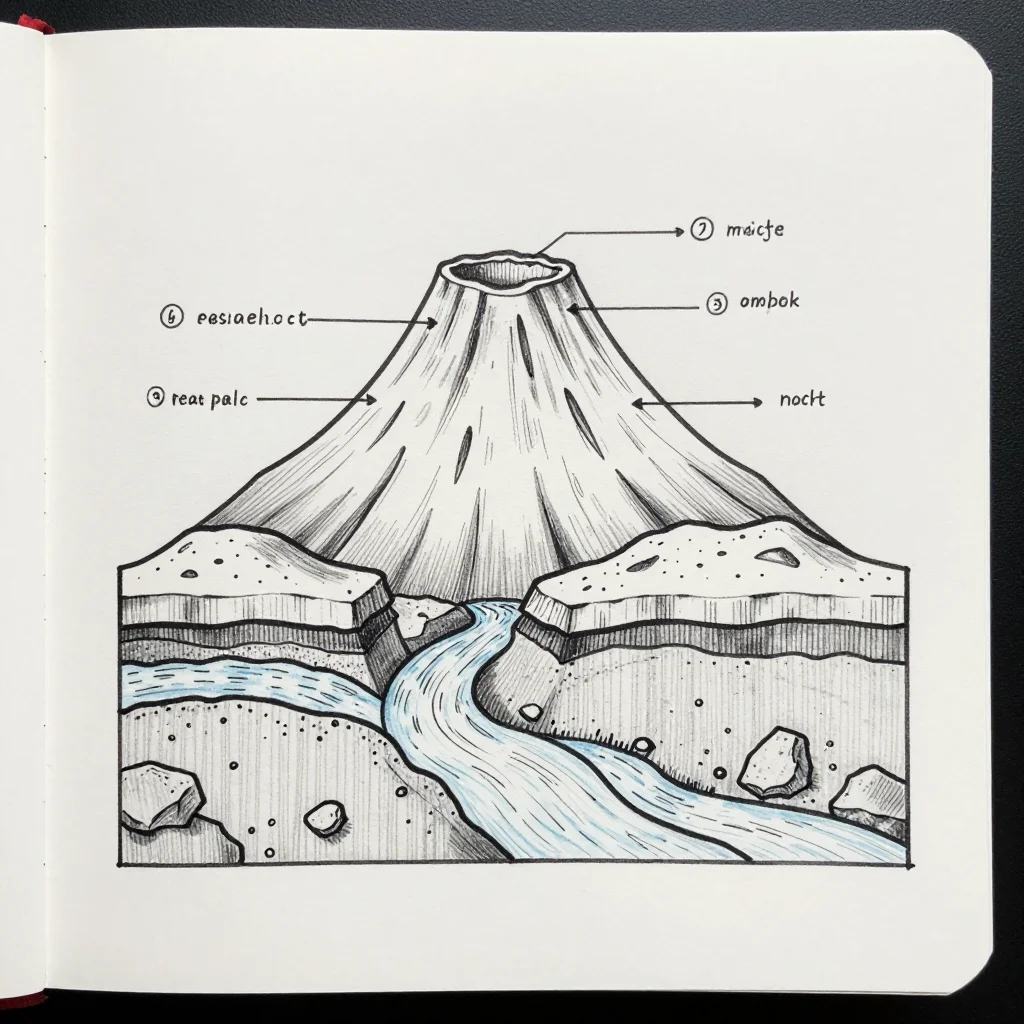
Rock cycle diagram: labeled circle, blank labels, landscape cut-away
Make your ownRock cycle diagrams
Describe yours. We'll remake the whole pack your way.
More like this
the whole catalog →
every sample — three subjects, three styles ↓
A rock cycle diagram for earth science students learning how rocks change from one kind to another. The labeled circle joins igneous, sedimentary and metamorphic rock and magma, with each process named. The second picture has empty label boxes. The third is a landscape cut-away showing where each step happens. Type a direction, such as volcano, and the picture will try it.
- an earth science lesson or exam sheet
- a worksheet to label the rock types
- a classroom poster on the rock cycle
- a study card for where each step happens
Frequently asked questions
- What do the nine pictures show?
- Three diagrams in three styles: the rock cycle as a labeled circle, the same circle with blank label boxes, and a landscape cut-away with numbered steps.
- Which rock types are on the circle?
- Igneous, sedimentary and metamorphic rock, joined to magma, with each arrow named for the process that links them.
- What is the difference between the three styles?
- The textbook style is a fine black line drawing with no fill, the color-coded style has a soft pastel fill in each part, and the pen sketch has varied line weight and light hatching.
- Can I ask for a different scene, such as a volcano?
- Yes. A direction such as volcano is a request the picture will try to follow, not a guaranteed result.
About toile
This page is a showcase and a starting point: nine samples already rendered, three readings of the pack crossed with three styles, each shown at the size and ratio it was made for. Take any of them further on the wall with a few words, or ask for all nine again under your own direction; a sign-in keeps what you make, and it is free while Toile is new. The recipe behind each sample — the subject, the style, the palette, the framing — travels with the image rather than staying private to the render: it is in the alt text of every sample and in the page's own structured data, so a search engine reads the same handles a person would.