/rug-hooking-patterns · craft
Rug hooking patterns: sheep, basket and saltbox house
Make your ownRug-hooking patterns
Describe yours. We'll remake the whole pack your way.
More like this
the whole catalog →
every sample — three subjects, three styles ↓
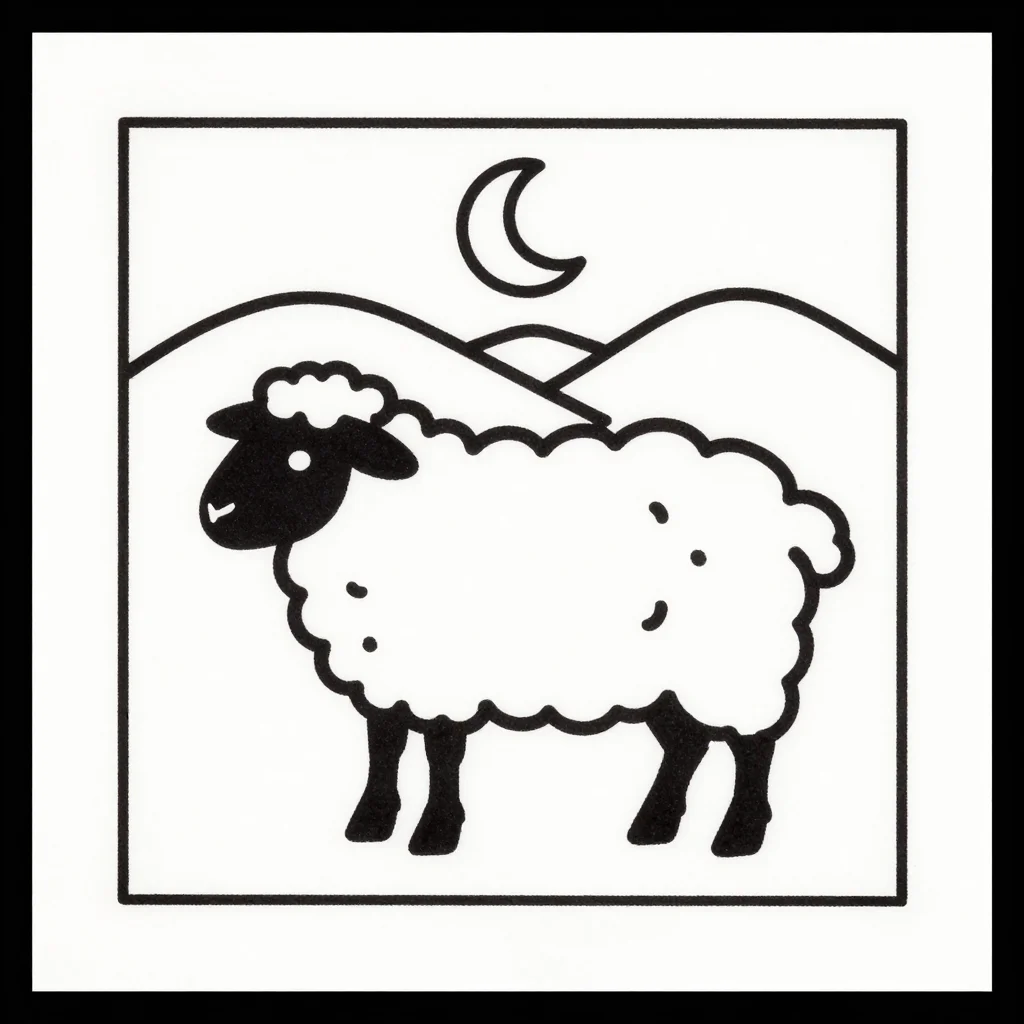
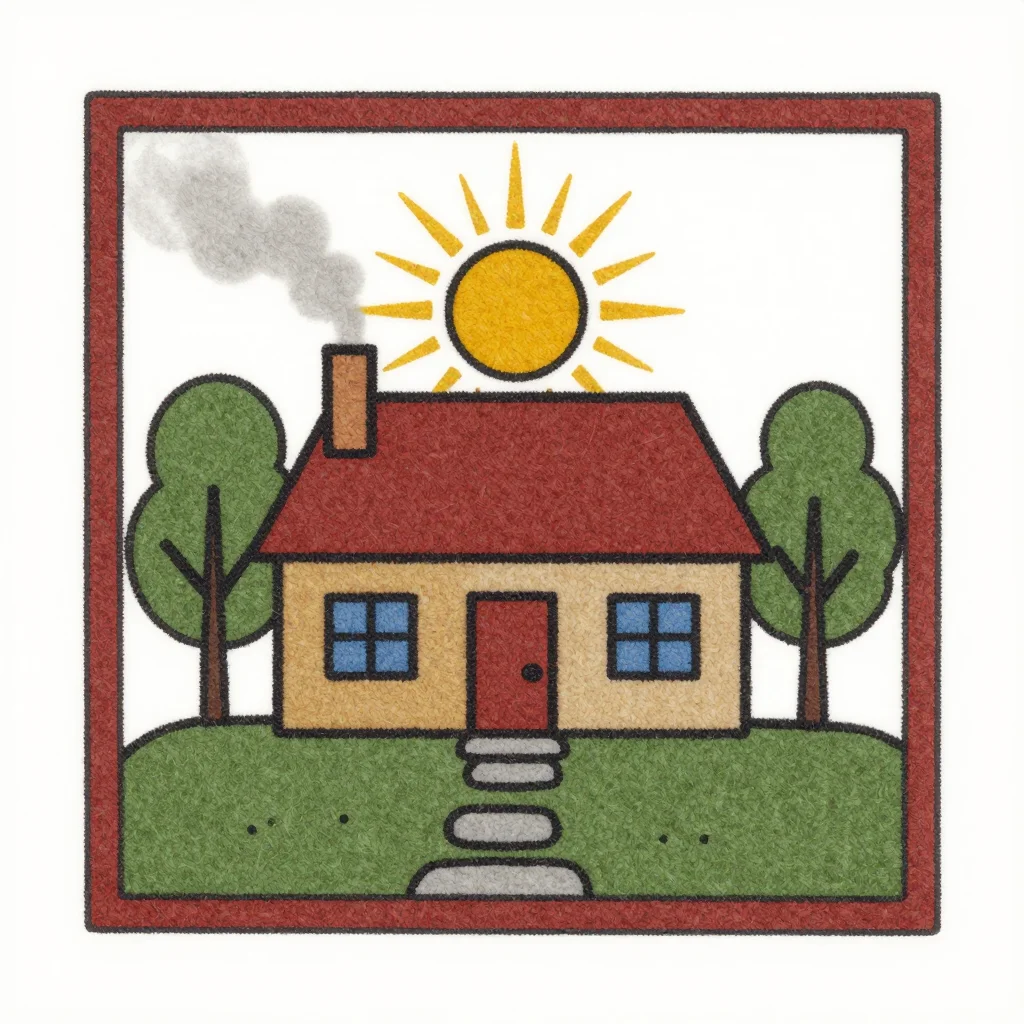
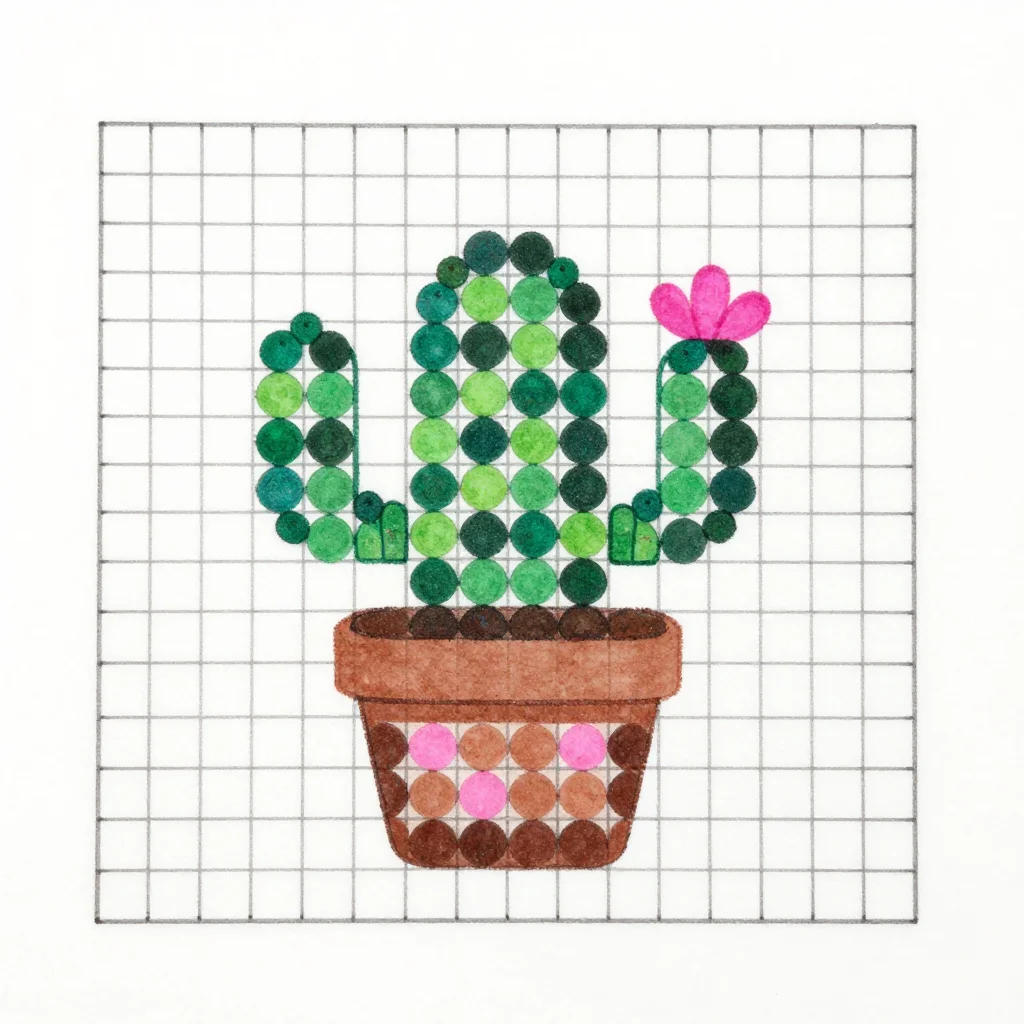
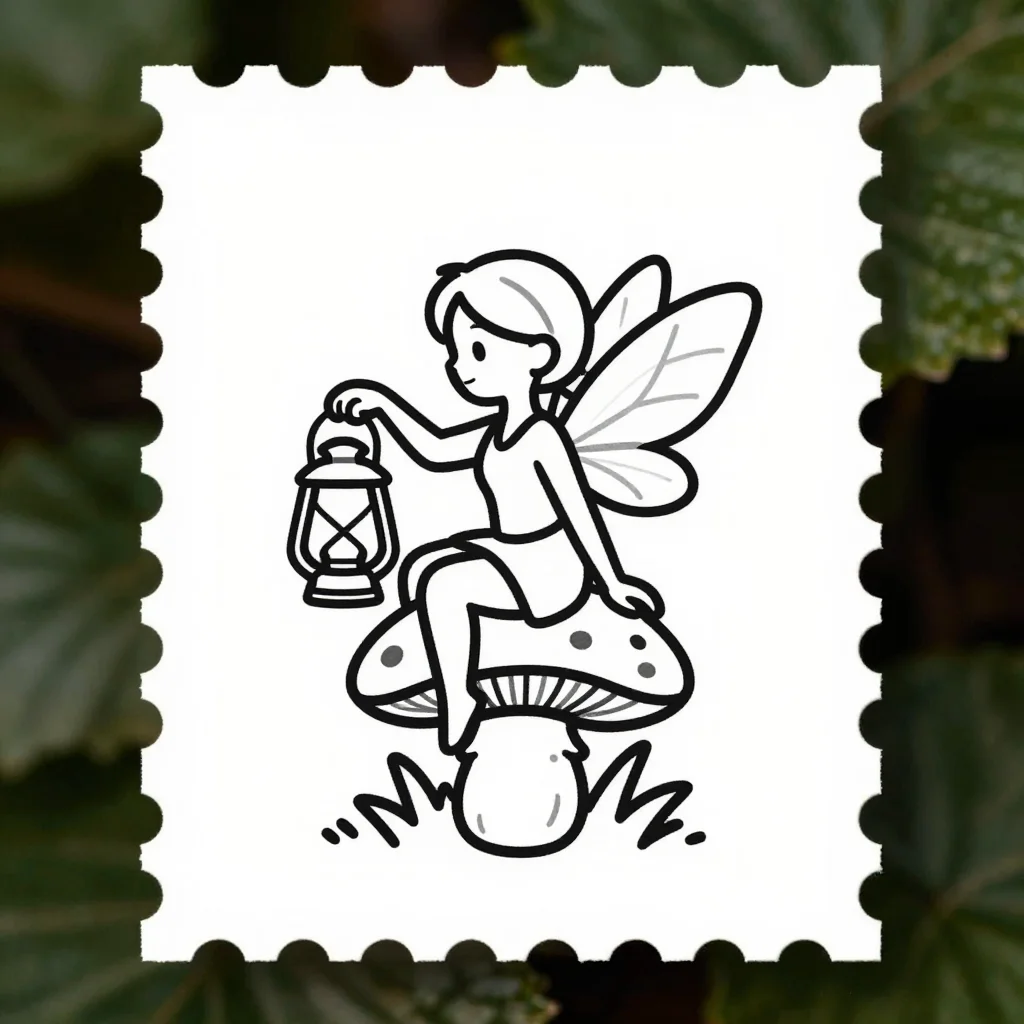
A rug-hooking pattern works in the American-primitive folk-art register: bold, simple, large open regions. These nine pattern a folk-art sheep under a crescent moon, a woven basket of flowers and a crooked saltbox house, each drawn three ways — the bare pattern draft, the same design with hooking loop strokes worked in, and a finished colour plan.
- a pattern traced onto backing
- a long hallway runner
- a colour-plan reference before hooking
- an autumn-colour variation
Frequently asked questions
- What size does the pattern print at?
- A square sheet with a margin, the design centred inside a simple ruled border.
- Does this include a colour guide?
- The colour-plan style floods each region with a flat wool shade; the draft and worked-rows styles are line-only for tracing.
- Can I get a different design?
- Yes — use the direction field to ask for a rooster or another design, drawn the same three ways.
About toile
This page is a showcase and a starting point: nine samples already rendered, three readings of the pack crossed with three styles, each shown at the size and ratio it was made for. Take any of them further on the wall with a few words, or ask for all nine again under your own direction; a sign-in keeps what you make, and it is free while Toile is new. The recipe behind each sample — the subject, the style, the palette, the framing — travels with the image rather than staying private to the render: it is in the alt text of every sample and in the page's own structured data, so a search engine reads the same handles a person would.