/sak-yant-tattoos · tattoo
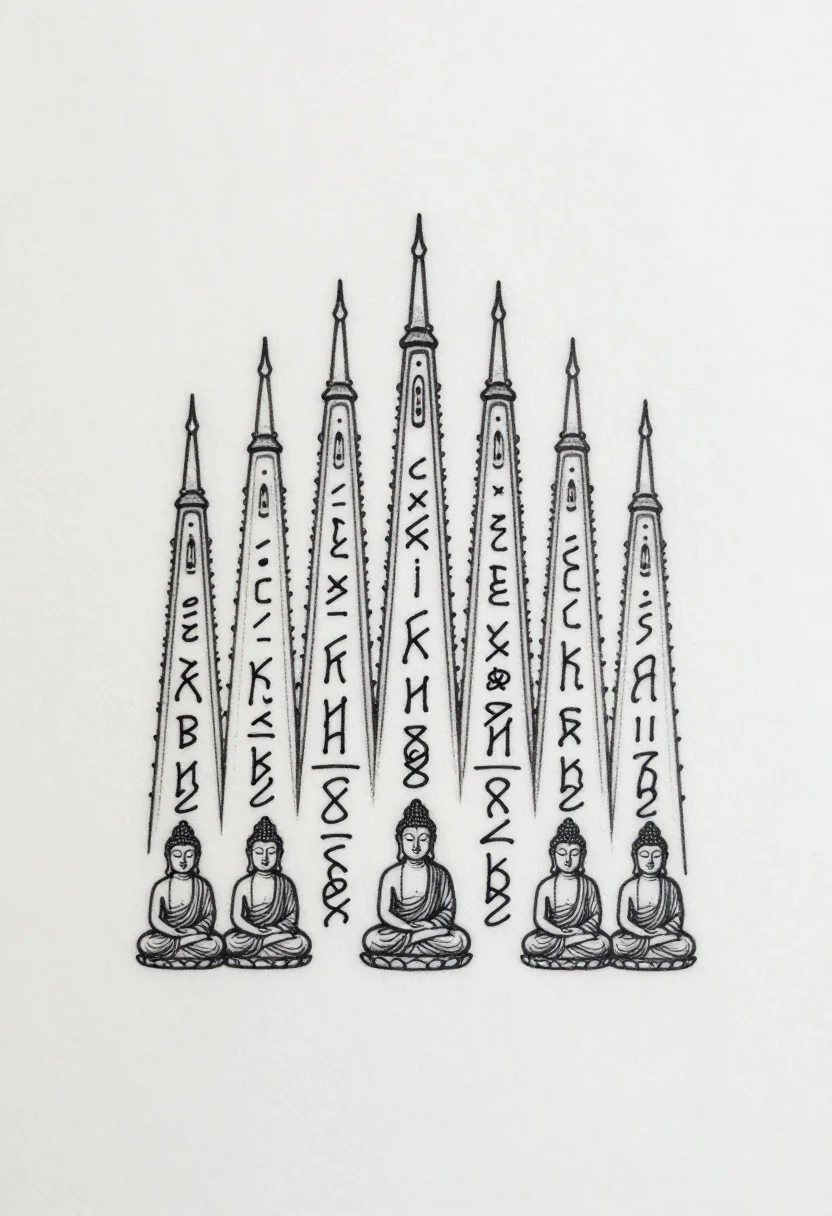
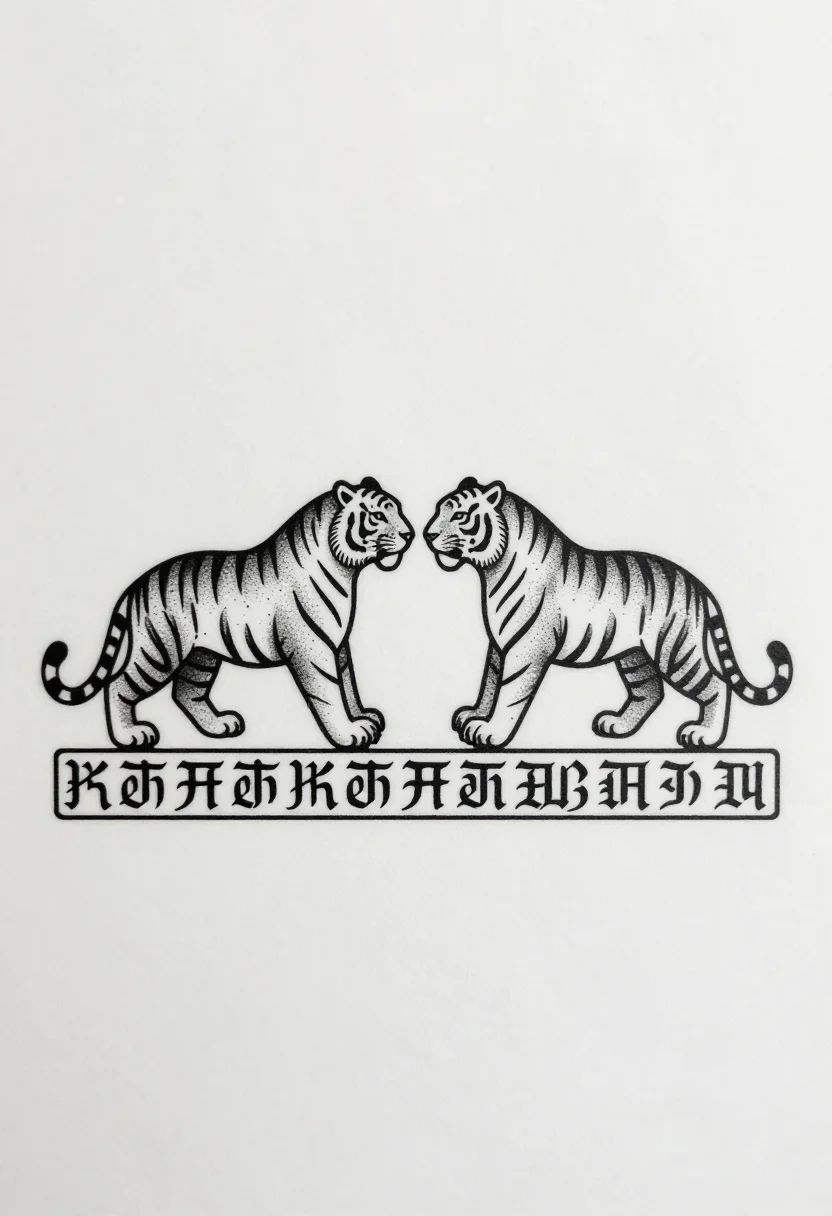
Sak yant designs: Gao Yord, Hah Taew, Suea Koo
Make your ownSak yant tattoos
Describe yours. We'll remake the whole pack your way.
More like this
the whole catalog →
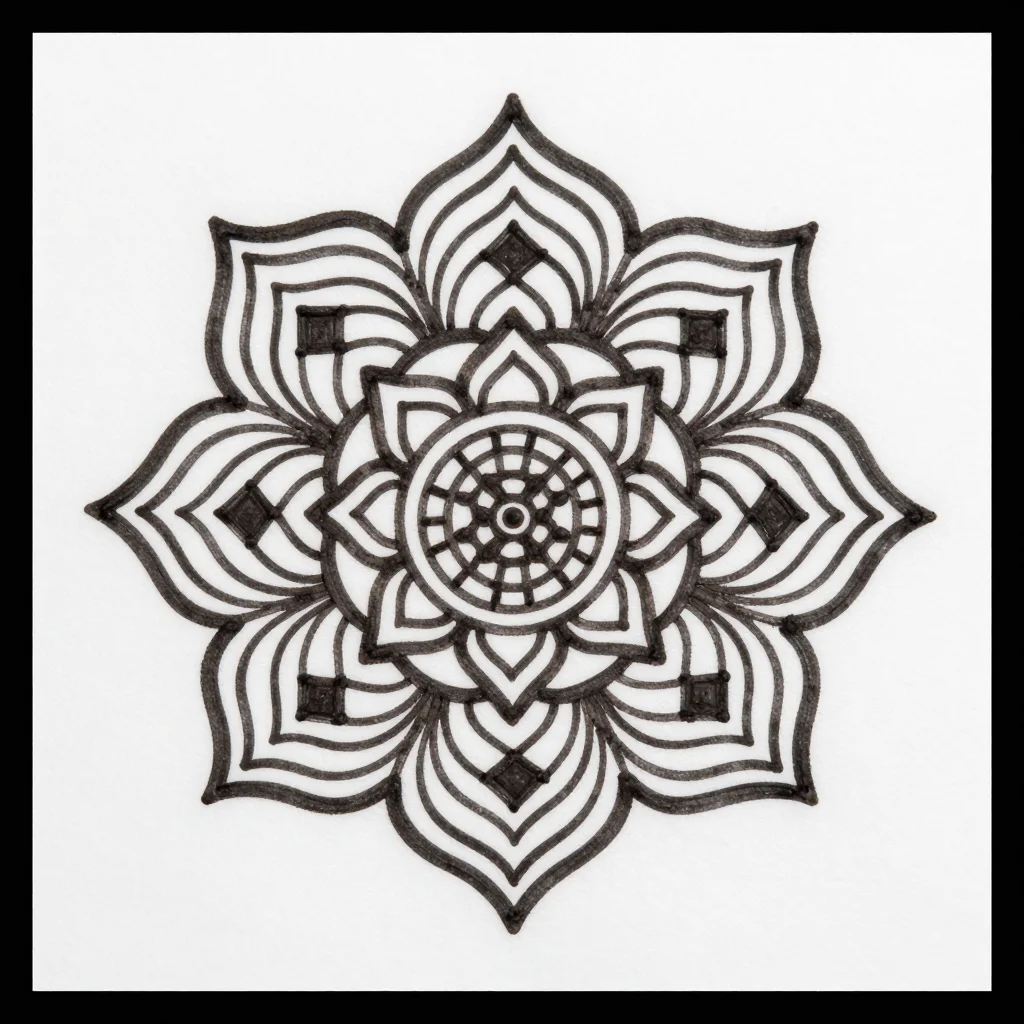
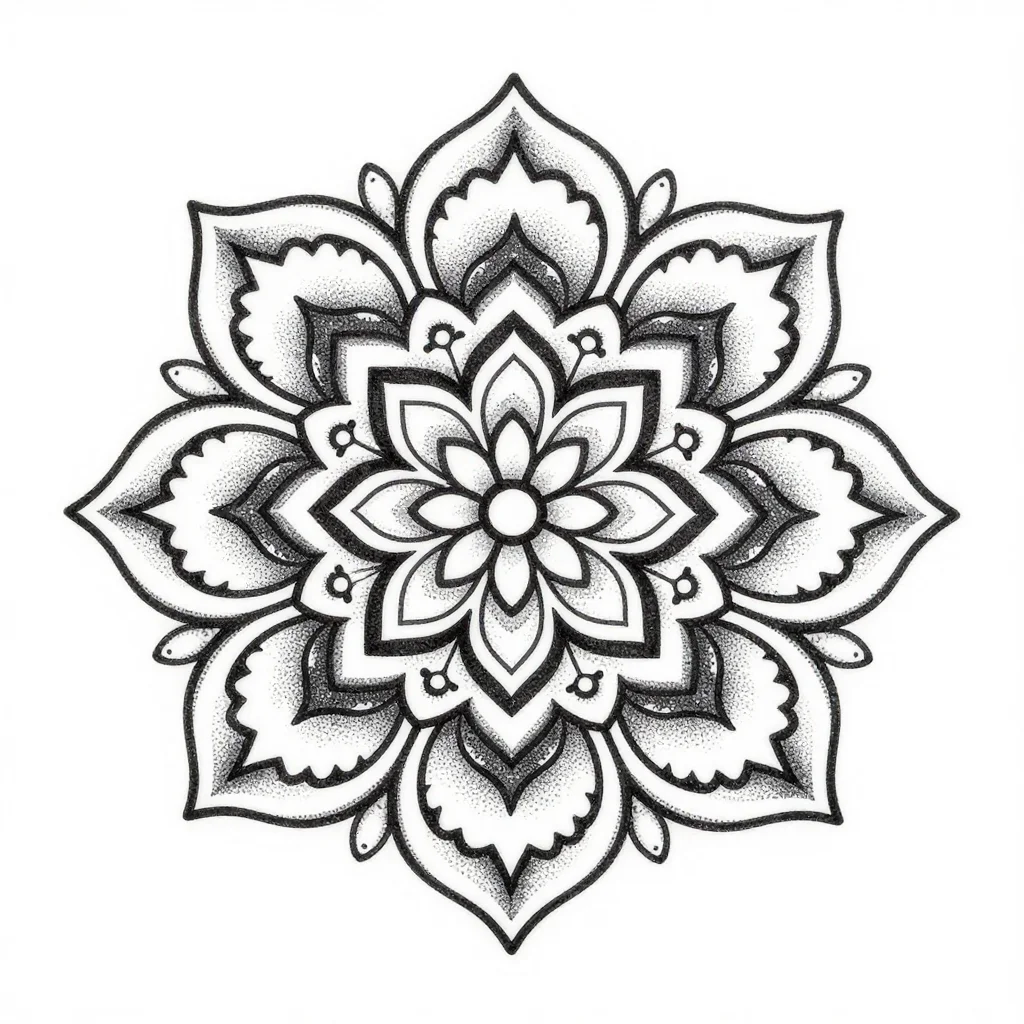
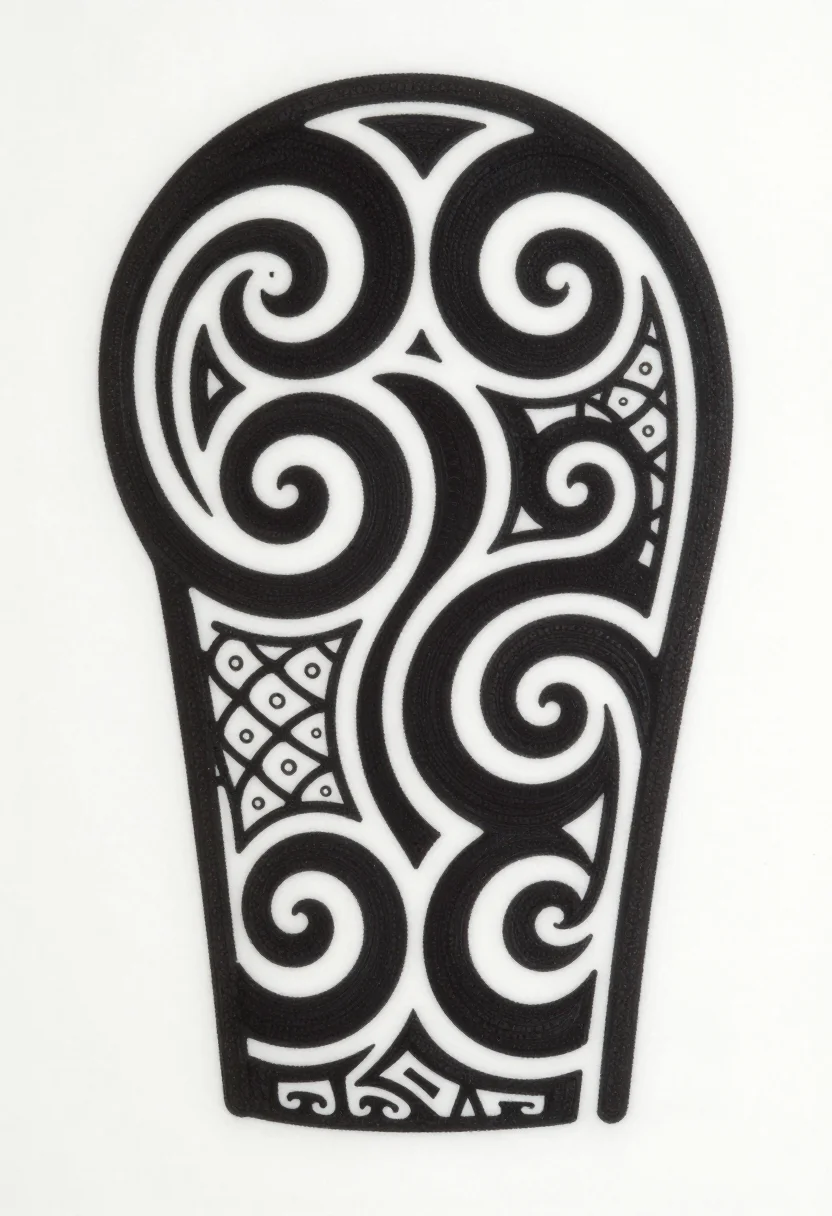
every sample — three subjects, three styles ↓
Sak yant are the sacred tattoos of Thailand, drawn from yantra patterns lined with Khom script and traditionally given by a monk or an ajarn. These sheets are reference drawings of three: the Gao Yord, the Hah Taew and the Suea Koo. Each is drawn as fine line, blackwork and dotwork. A sak yant is given by a teacher; these drawings are for study and for talk with an artist.
- a reference sheet for study of Thai yantra
- a discussion piece to take to a sak yant teacher
- a printed sheet of the three designs
- a comparison of three yantra in three styles
Frequently asked questions
- What is on the page?
- Nine reference drawings of three sak yant: the Gao Yord, the Hah Taew and the Suea Koo, each in three styles.
- Is this a design on skin?
- No. Each design is a drawing on white paper, for study or printing.
- Can I ask for a different yant or a twist?
- Yes. Type a different yant or twist, such as a lion; the result is a new drawing, not a guaranteed match, and it is not a yant given by a teacher.
- What is the difference between the styles?
- Fine line is one uniform hairline with little shading. Blackwork uses heavy solid black masses. Dotwork builds the shadows from dots.
About toile
This page is a showcase and a starting point: nine samples already rendered, three readings of the pack crossed with three styles, each shown at the size and ratio it was made for. Take any of them further on the wall with a few words, or ask for all nine again under your own direction; a sign-in keeps what you make, and it is free while Toile is new. The recipe behind each sample — the subject, the style, the palette, the framing — travels with the image rather than staying private to the render: it is in the alt text of every sample and in the page's own structured data, so a search engine reads the same handles a person would.