/seollal-cards · season
Seollal cards: Korean New Year greeting, lucky pouch, tteokguk
Make your ownSeollal cards
Describe yours. We'll remake the whole pack your way.
More like this
the whole catalog →
every sample — three subjects, three styles ↓
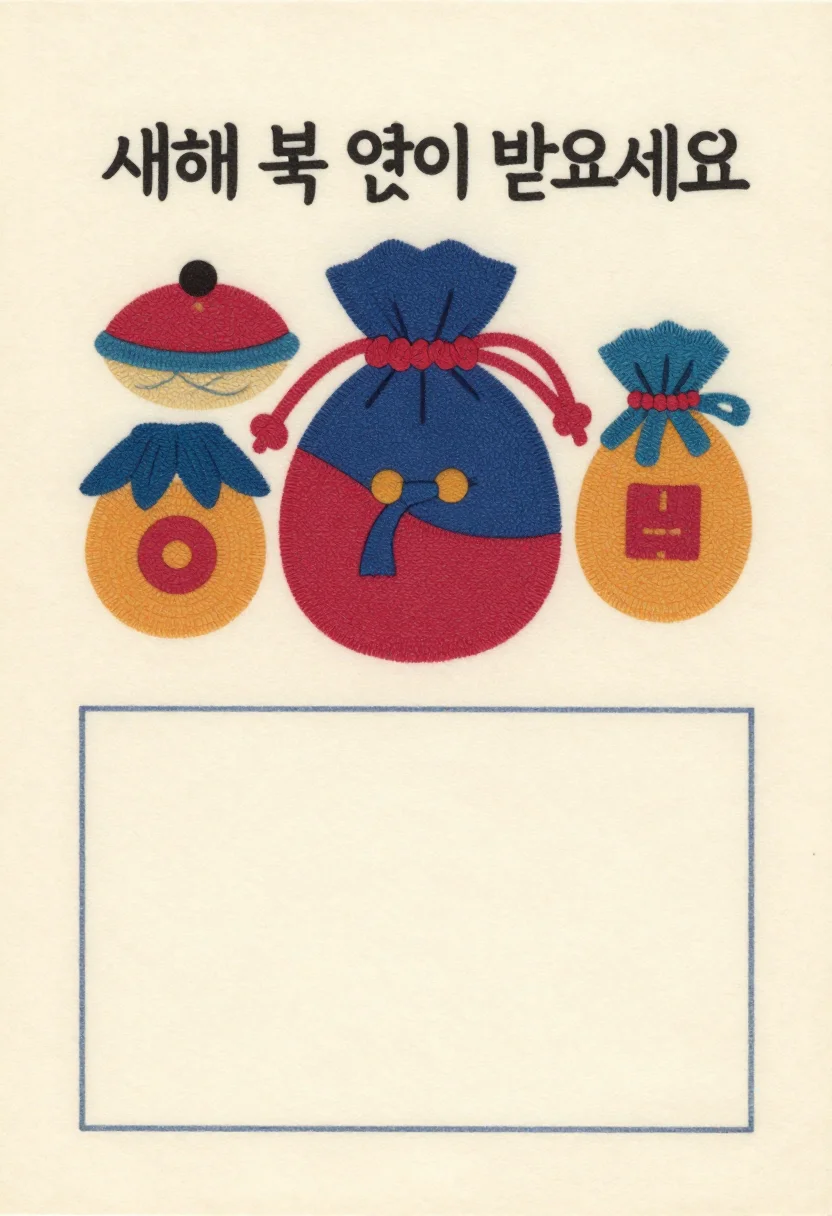
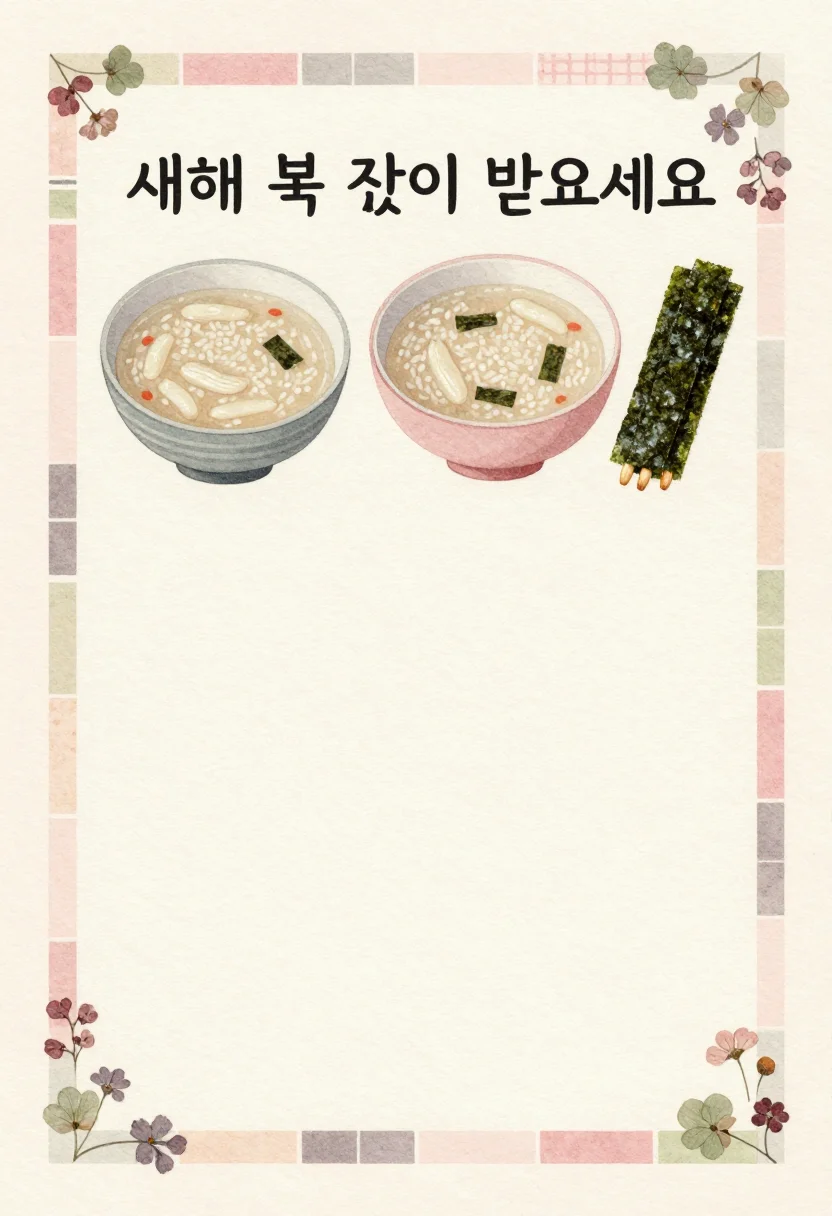
Cards for Seollal, the Korean Lunar New Year, to send to family, teachers and friends. Each card carries the greeting in Hangul, 새해 복 많이 받으세요, with Korean motifs and an open panel for your own message. The three motifs are an embroidered lucky pouch, a magpie and tiger folk painting, and a bowl of tteokguk rice-cake soup. Type a different motif, such as hanbok, and the same card layout carries it.
- A card to family for Seollal
- A thank-you card to a teacher
- A greeting for friends
- A card to a colleague
Frequently asked questions
- What does the greeting say?
- Saehae bok mani badeuseyo means roughly may you receive much luck in the new year.
- Can I write my own message?
- Yes. The panel is left empty, with no sample text, so you can write in it.
- What is the difference between the three styles?
- Minhwa uses flat mineral colours and ink outlines on cream paper, obangsaek uses the five traditional colours with patchwork borders, and hanji uses soft watercolour on mulberry paper.
- Can I change the motif?
- Yes. Type a different motif; the result may differ from the sample.
About toile
This page is a showcase and a starting point: nine samples already rendered, three readings of the pack crossed with three styles, each shown at the size and ratio it was made for. Take any of them further on the wall with a few words, or ask for all nine again under your own direction; a sign-in keeps what you make, and it is free while Toile is new. The recipe behind each sample — the subject, the style, the palette, the framing — travels with the image rather than staying private to the render: it is in the alt text of every sample and in the page's own structured data, so a search engine reads the same handles a person would.