/sewing-patterns · craft
Sewing patterns: bucket hat, tote bag and apron
Make your ownSimple sewing patterns
Describe yours. We'll remake the whole pack your way.
More like this
the whole catalog →
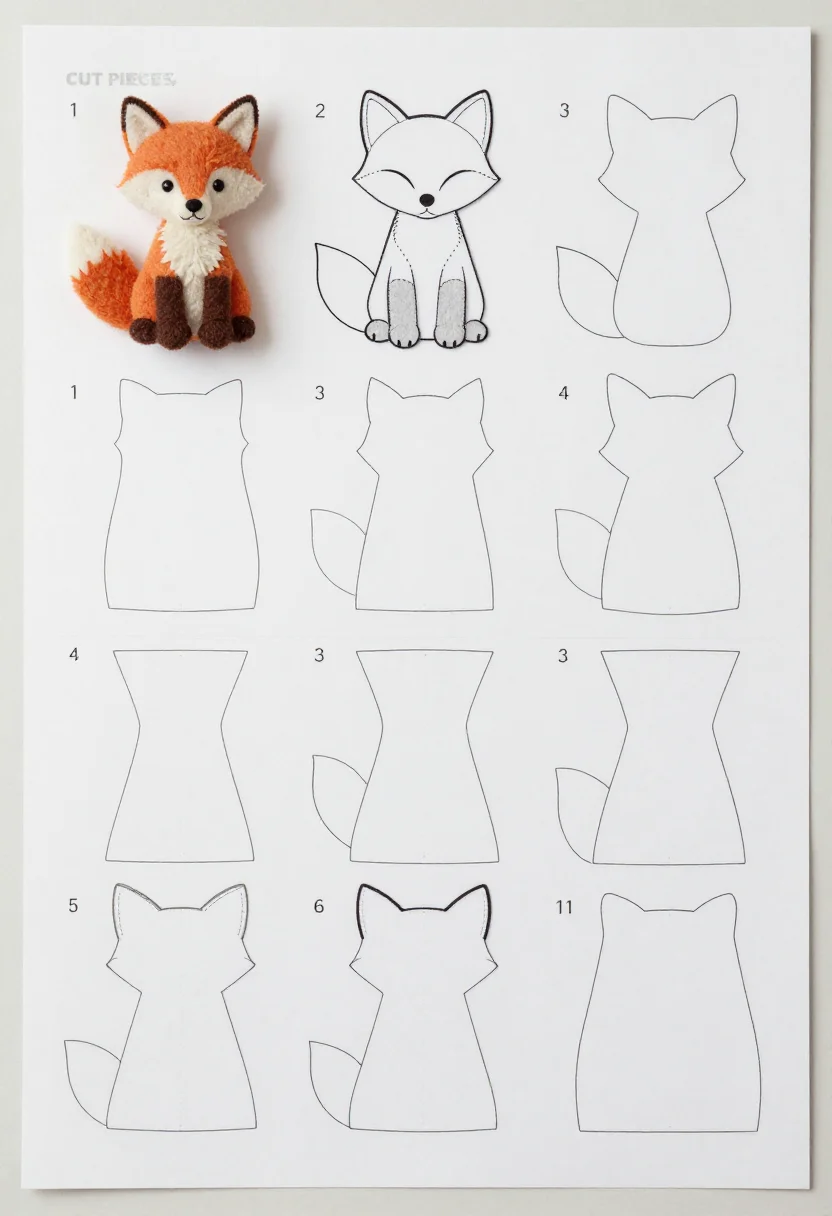
every sample — three subjects, three styles ↓
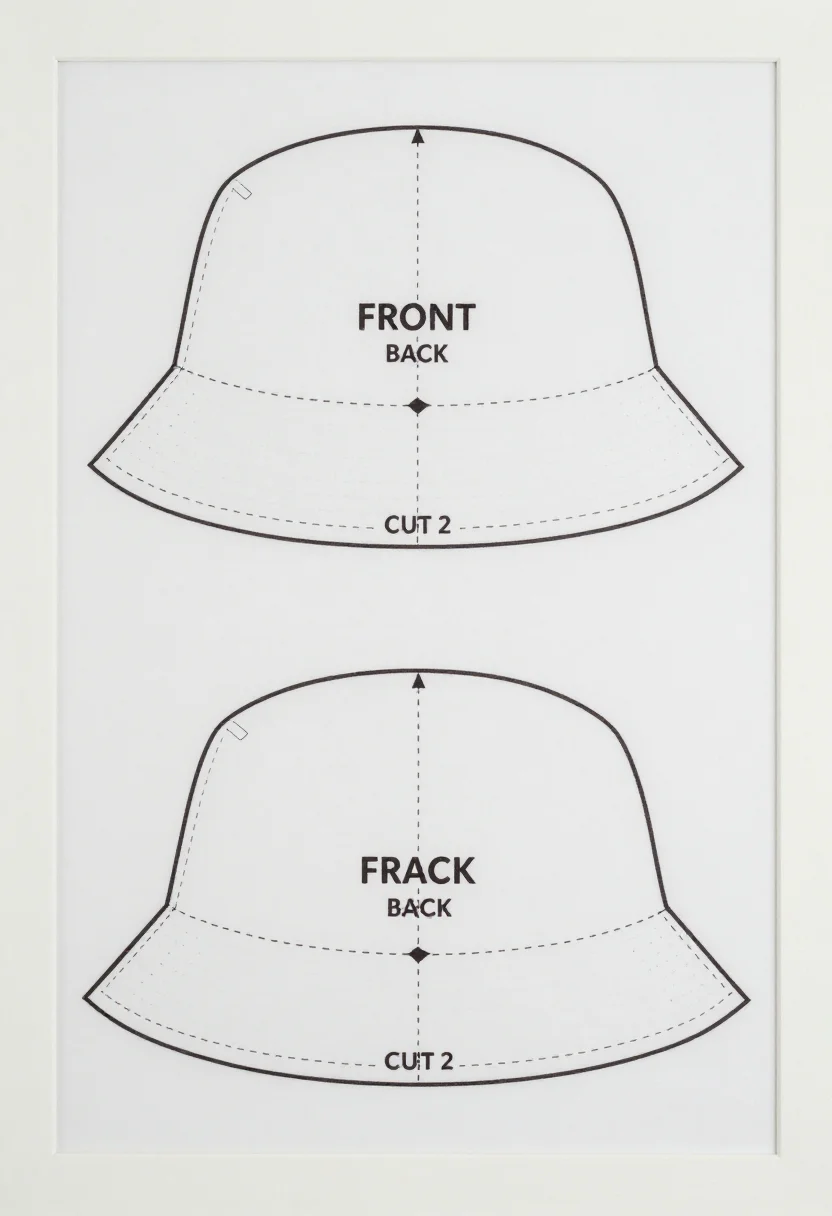
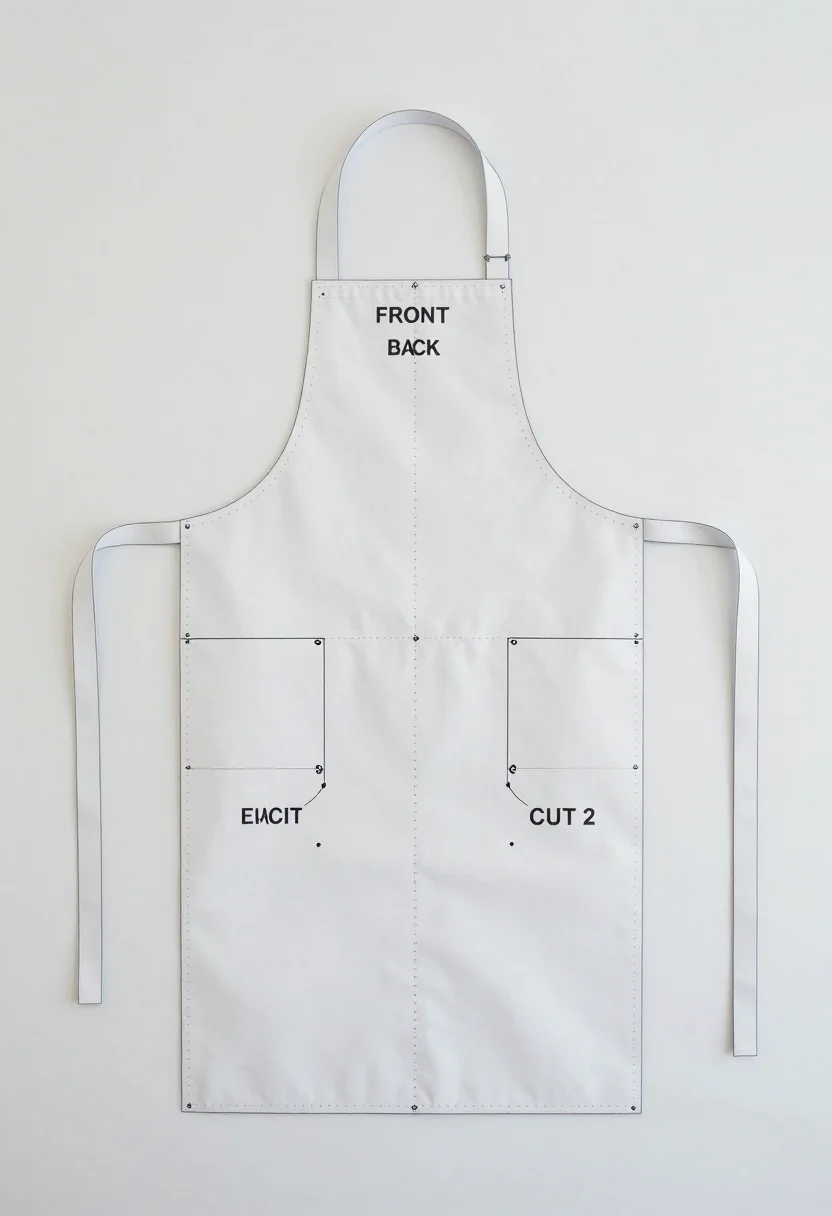
A sewing pattern is the tissue you cut around, not a picture of the finished make. These nine pattern a bucket hat, a tote bag and a simple apron, each drawn three ways — the tissue sheet straight off the printer, an A4-tiled layout for printing at home, and a beginner's assembly sketch showing which piece joins which. Grain lines, notches and seam allowance throughout.
- a beginner's first garment make
- a print-at-home A4 pattern
- a child-size variation
- a pouch or tote with a front pocket
Frequently asked questions
- Does the pattern print on a home printer?
- The A4-tiled style is built for it — print each tile and match the alignment triangles at the corners.
- Does this include seam allowance?
- Yes — a dashed seam-allowance line runs inside the cutting line on every piece.
- Can I get a different size or piece?
- Yes — use the direction field to ask for a child's size, a zip pouch or another piece.
About toile
This page is a showcase and a starting point: nine samples already rendered, three readings of the pack crossed with three styles, each shown at the size and ratio it was made for. Take any of them further on the wall with a few words, or ask for all nine again under your own direction; a sign-in keeps what you make, and it is free while Toile is new. The recipe behind each sample — the subject, the style, the palette, the framing — travels with the image rather than staying private to the render: it is in the alt text of every sample and in the page's own structured data, so a search engine reads the same handles a person would.