/sheep-art-prints · wall-art
Sheep art prints: woolly face, flock on a hill, ewe and lamb
Make your ownSheep art prints
Describe yours. We'll remake the whole pack your way.
More like this
the whole catalog →
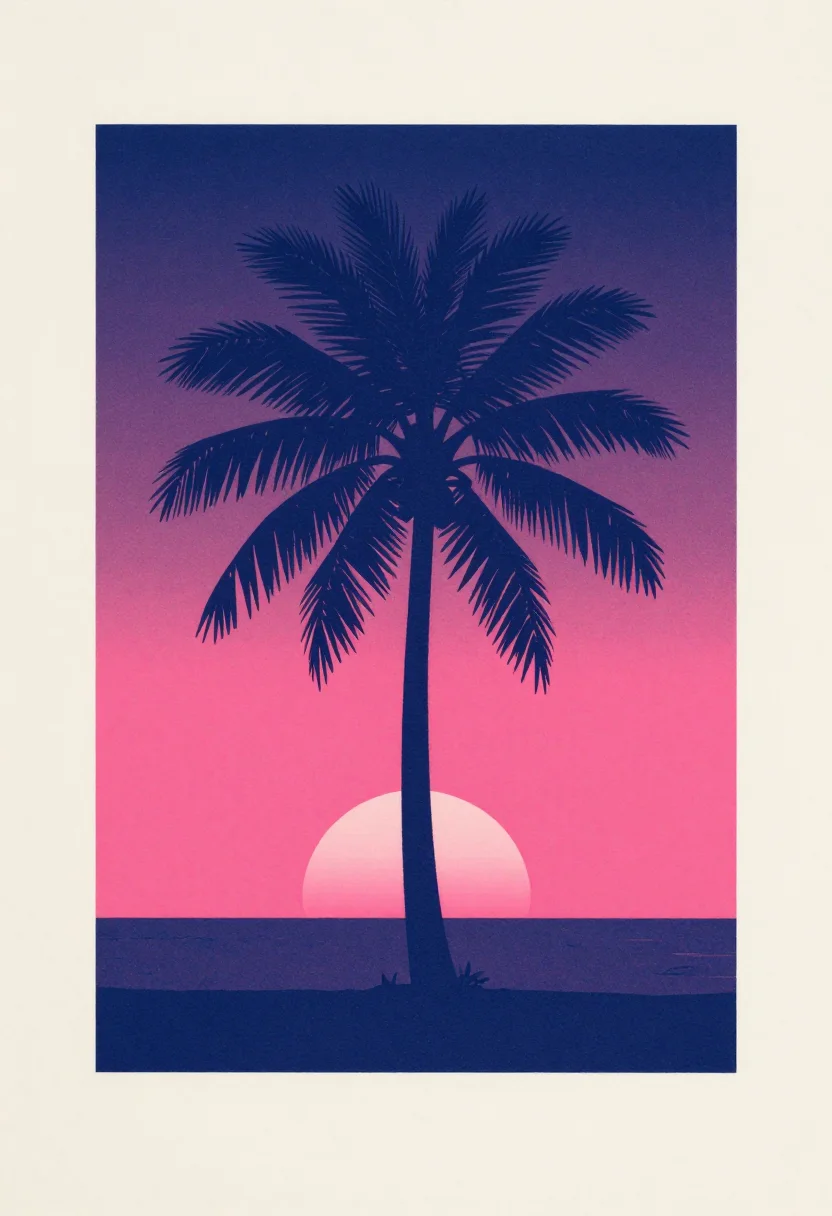
every sample — three subjects, three styles ↓
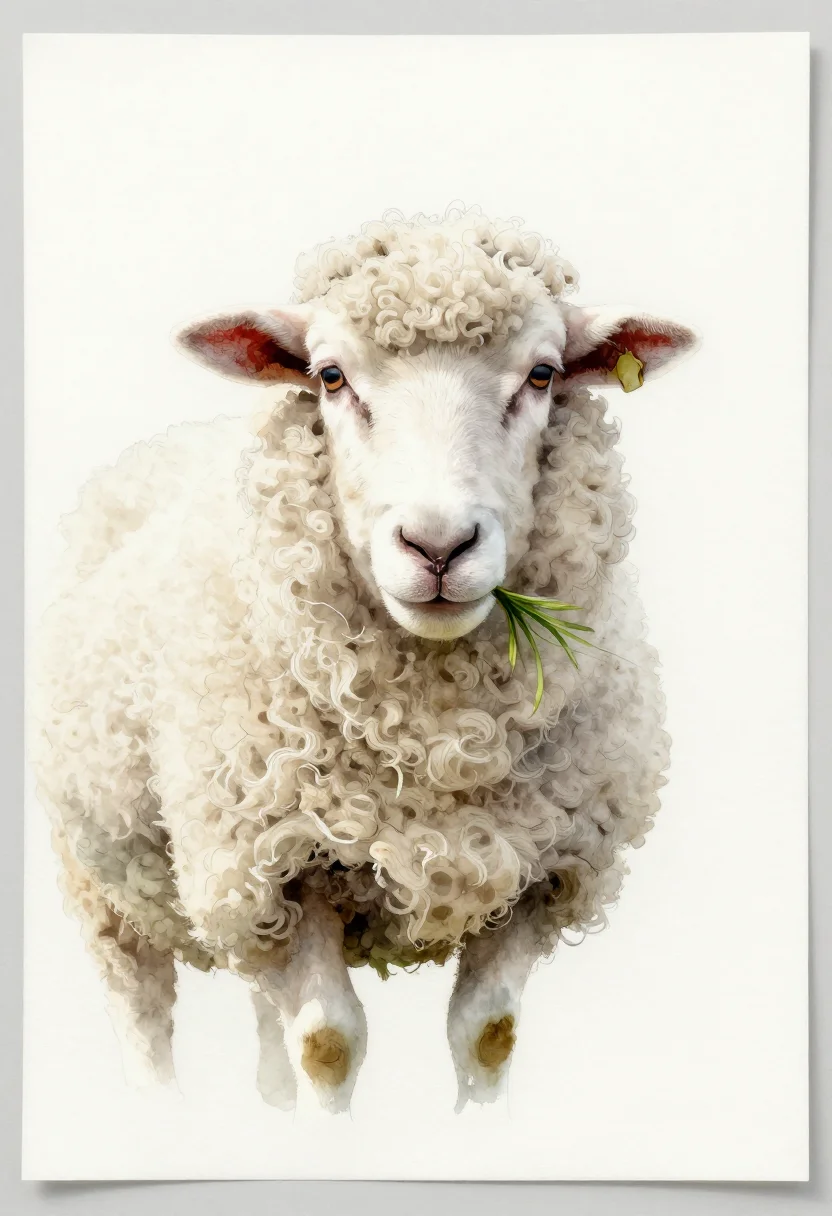
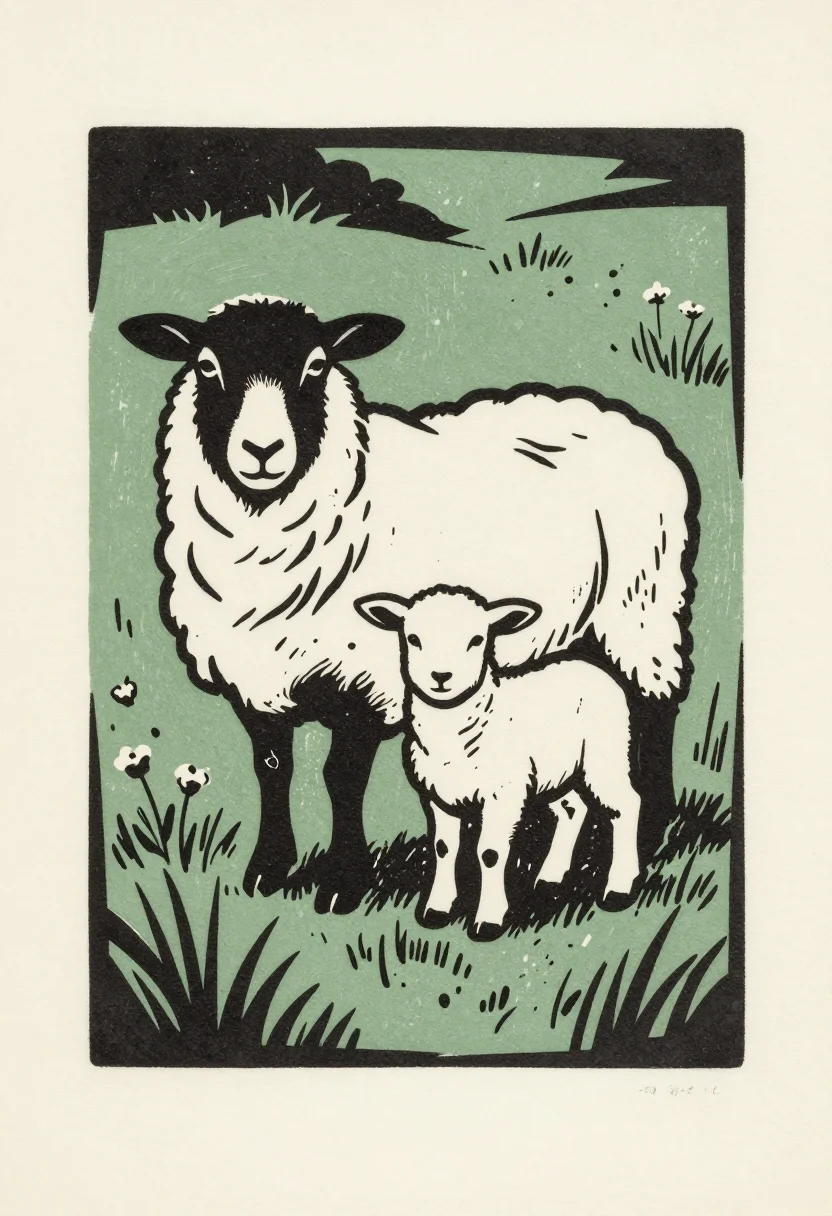
For a farmhouse kitchen or a nursery: a woolly sheep looking straight out with a sprig of grass in its mouth, a flock on a green hill beside dry-stone walls, and a black-faced ewe with her lamb in a meadow of wildflowers. Each is shown as a soft watercolour with lifted white fleece, as a needle-felted wool picture, and as a two-colour linocut. The direction field takes another animal, such as a goat or a cow, as a request.
- a farmhouse kitchen
- a nursery or a child's room
- a country cottage hallway
Frequently asked questions
- Which scenes are in the pack?
- A woolly sheep's face, a flock on a green hill, and a black-faced ewe with her lamb. Each is shown in three styles.
- What does the needle-felt style look like?
- Soft fibres and rounded forms with a tactile, fuzzy texture, in oatmeal, charcoal, moss green and mustard.
- Can I ask for a different animal?
- Yes. Type it in the direction field, such as a goat or a cow; it is a request, not a promised match.
- Are these photographs of sheep?
- No. They are rendered pictures in the three styles described, not photographs.
About toile
This page is a showcase and a starting point: nine samples already rendered, three readings of the pack crossed with three styles, each shown at the size and ratio it was made for. Take any of them further on the wall with a few words, or ask for all nine again under your own direction; a sign-in keeps what you make, and it is free while Toile is new. The recipe behind each sample — the subject, the style, the palette, the framing — travels with the image rather than staying private to the render: it is in the alt text of every sample and in the page's own structured data, so a search engine reads the same handles a person would.