/sign-language-charts · classroom
Sign language charts: alphabet, numbers and classroom signs in three styles
Make your ownSign language charts
Describe yours. We'll remake the whole pack your way.
More like this
the whole catalog →
every sample — three subjects, three styles ↓
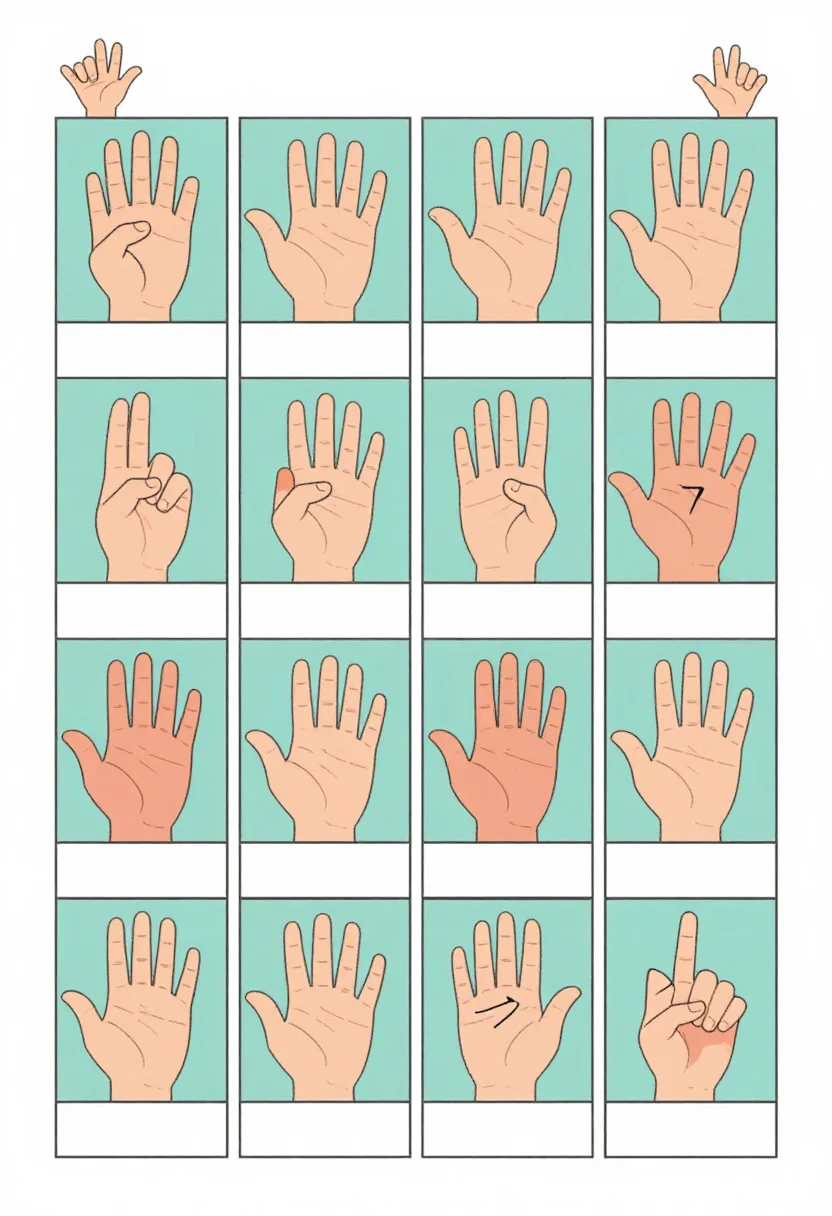
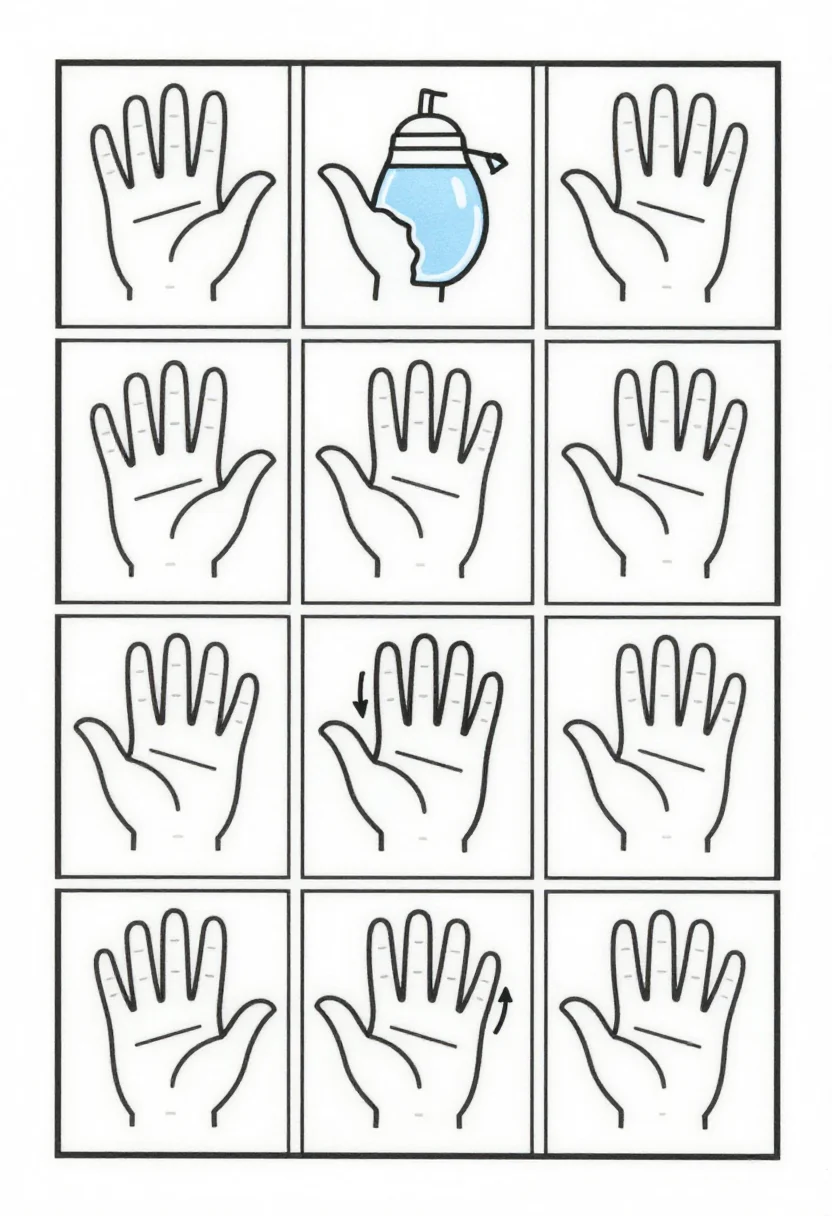
The fingerspelling alphabet poster that hangs in speech rooms and inclusive classrooms alike: twenty-six hands in a grid, drawn clean enough to copy. These nine cover the alphabet, numbers one to ten, and classroom signs, in flat colour, pastel and blackline. Ask for a twist — flashcards, feelings signs — and the same hand-drawing grammar redraws.
- a speech room or inclusive classroom wall chart
- an ASL alphabet reference poster
- a classroom-signs activity for nonverbal communication
- a homeschool sign language introduction
Frequently asked questions
- What size do these posters print at?
- Each poster is drawn at portrait A4 proportions (832 by 1216) with a printing margin, ready to print or scale up for a wall.
- Are the letters and signs labeled?
- The label bands are left blank, so a teacher fills in the letter or sign name as part of the lesson.
- Can I get a version with feelings signs?
- Yes — type a twist like feelings signs or flashcards and the same hand-drawing format redraws around it.
- What's the difference between the three styles?
- Flat colour uses one warm skin tone against a limited palette, pastel is softer, and blackline is outline-only for low-ink printing.
About toile
This page is a showcase and a starting point: nine samples already rendered, three readings of the pack crossed with three styles, each shown at the size and ratio it was made for. Take any of them further on the wall with a few words, or ask for all nine again under your own direction; a sign-in keeps what you make, and it is free while Toile is new. The recipe behind each sample — the subject, the style, the palette, the framing — travels with the image rather than staying private to the render: it is in the alt text of every sample and in the page's own structured data, so a search engine reads the same handles a person would.