/skincare-layering-charts · beauty
Skincare layering charts: morning and night order, thin to thick, a weekly routine
Make your ownSkincare layering charts
Describe yours. We'll remake the whole pack your way.
More like this
the whole catalog →
every sample — three subjects, three styles ↓
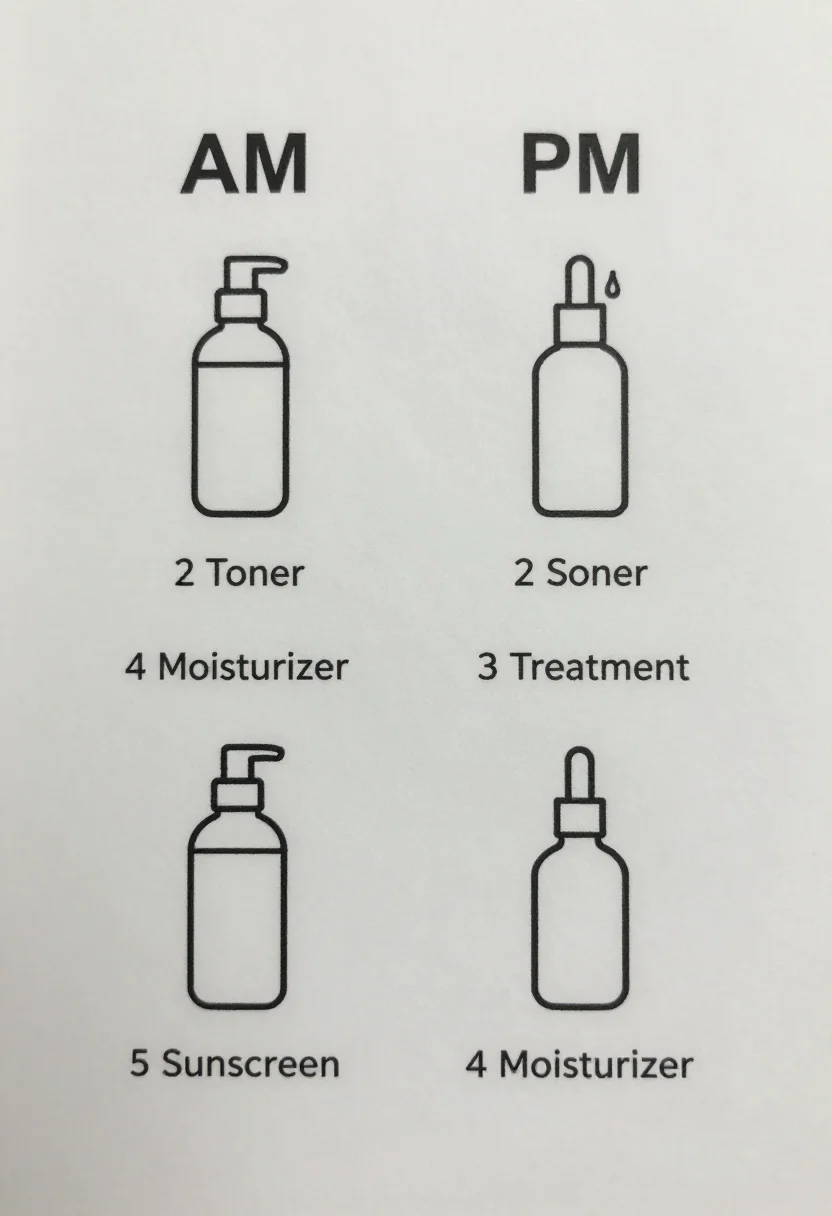
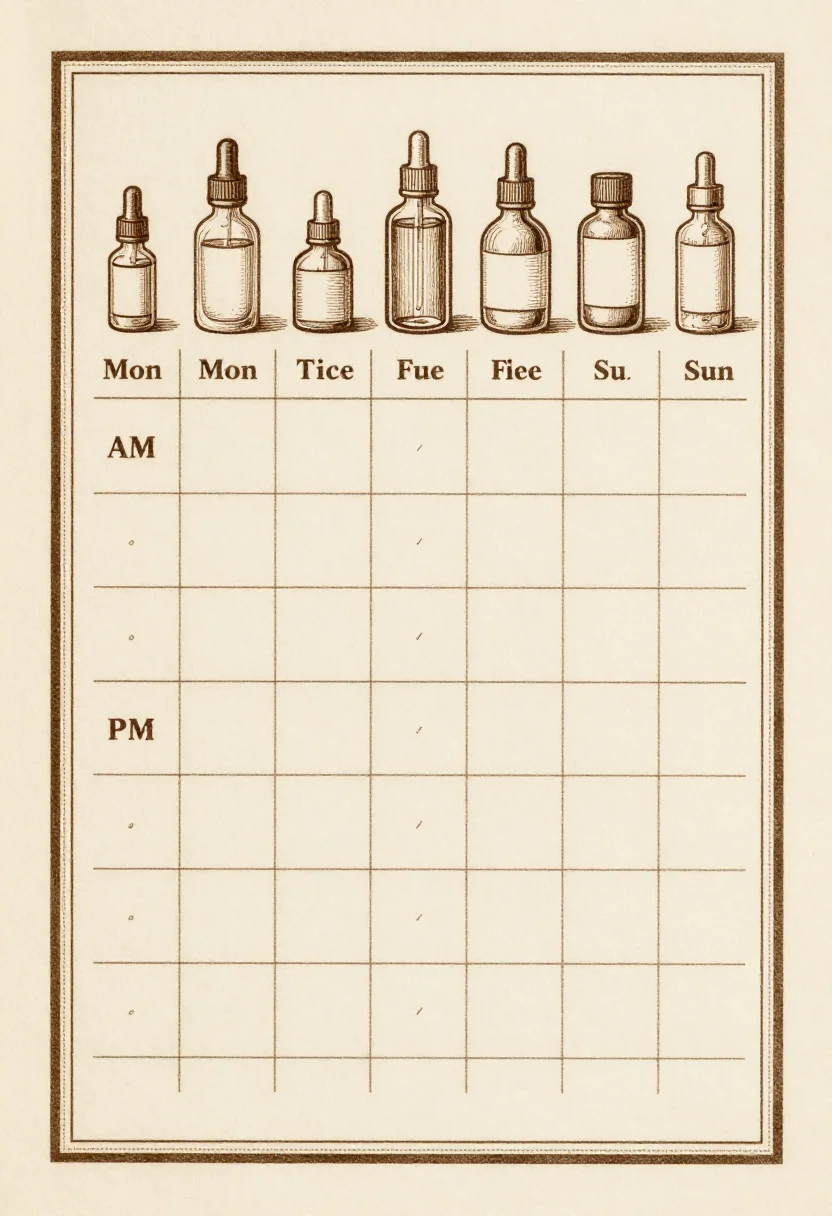
A skincare layering chart puts your products in order, morning and night. One picture has two columns, AM and PM, with numbered bottles: Cleanser to Sunscreen in the morning, Cleanser to Moisturizer at night. Another shows five textures from Water to Cream, thinnest to thickest. A third is a blank weekly grid. Type a routine, such as Korean routine, and the chart is drawn for it.
- ordering products for a morning routine
- a weekly log of what you used
- a rule of thumb when adding a product
- a routine to show a skin care professional
Frequently asked questions
- What is the thinnest to thickest rule?
- Apply products from the thinnest texture to the thickest, so water-based products go on before creams. The second picture shows the order from Water to Cream.
- Which product goes last in the morning?
- The morning column ends with Sunscreen, after the moisturizer. Check the label on your own product for its directions.
- Can I type a different routine?
- Yes. Type the routine you want, such as acne skin, and the chart is drawn for it in place of the one shown.
- What do the three styles look like?
- The line icons are plain black outline with no fills, the pastel version uses soft flat bottles in sage, peach, lilac and butter yellow, and the apothecary version is a sepia engraving.
About toile
This page is a showcase and a starting point: nine samples already rendered, three readings of the pack crossed with three styles, each shown at the size and ratio it was made for. Take any of them further on the wall with a few words, or ask for all nine again under your own direction; a sign-in keeps what you make, and it is free while Toile is new. The recipe behind each sample — the subject, the style, the palette, the framing — travels with the image rather than staying private to the render: it is in the alt text of every sample and in the page's own structured data, so a search engine reads the same handles a person would.