/spell-books · divination
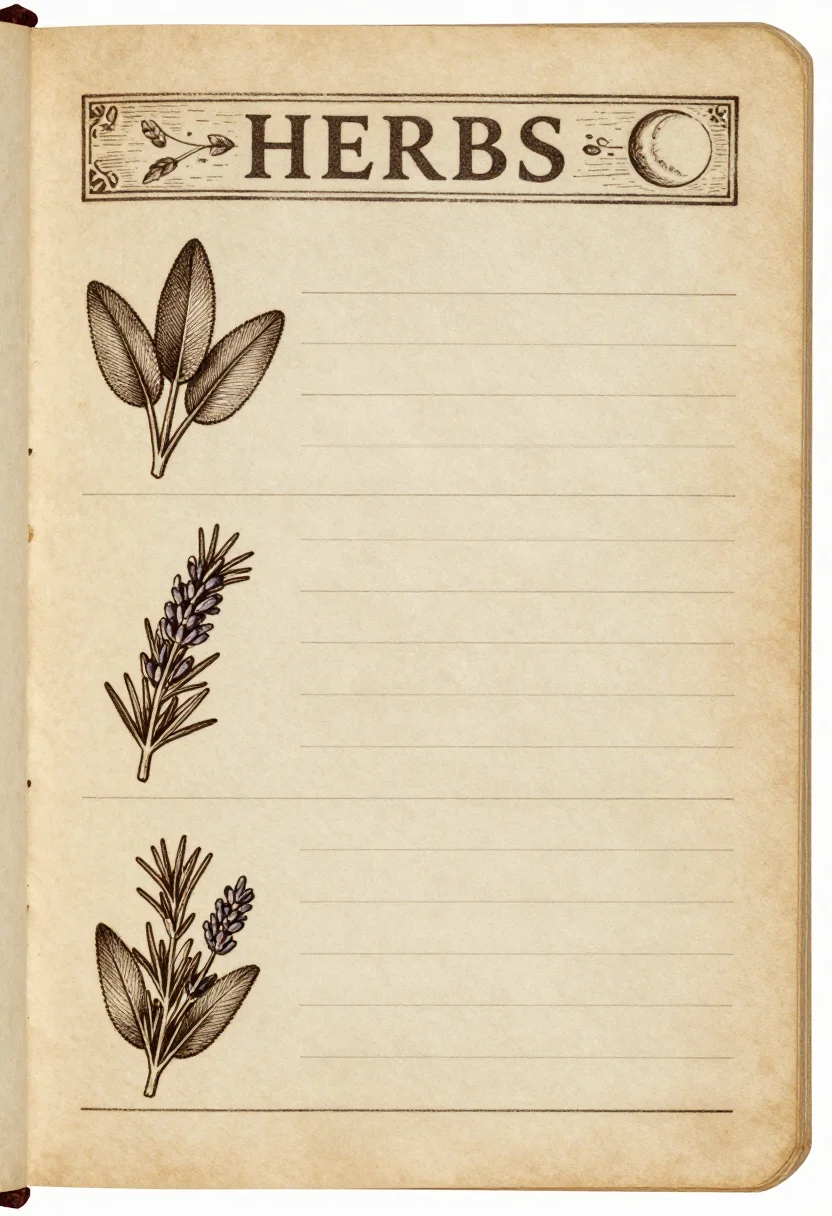
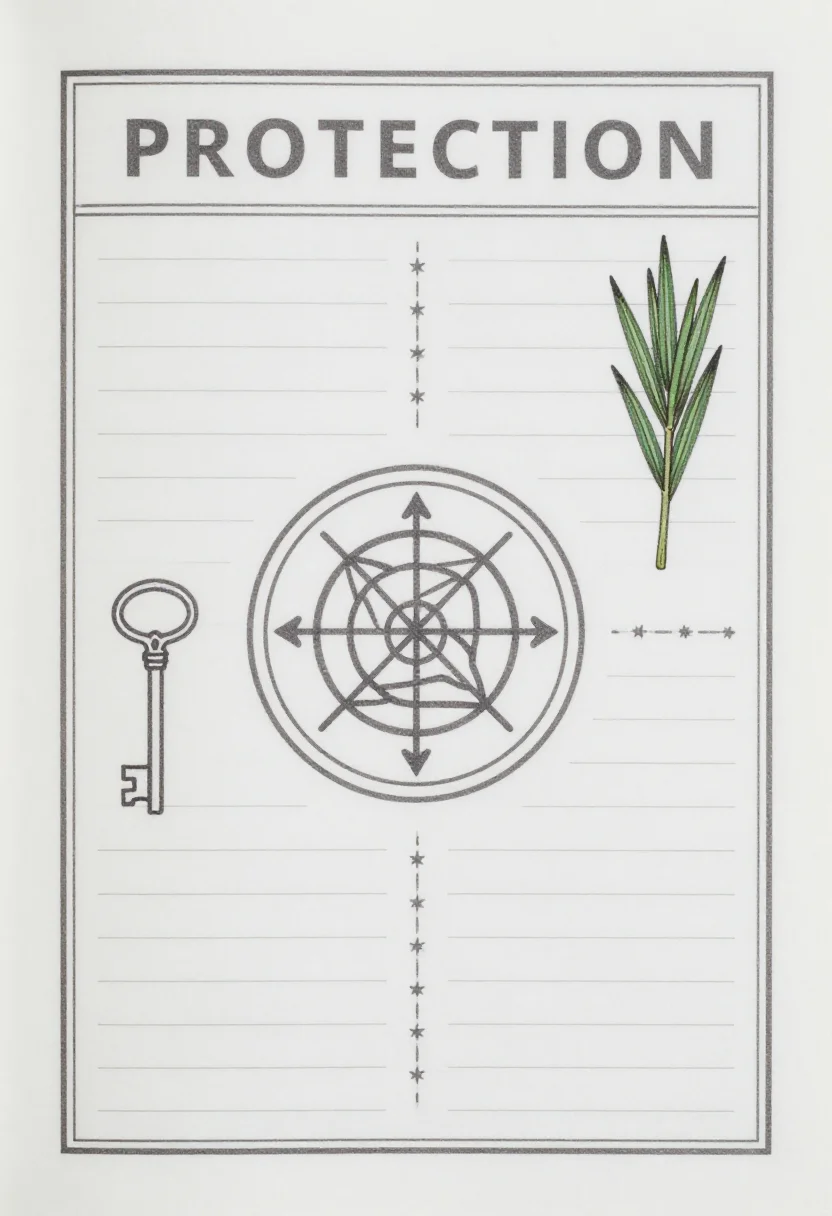
Grimoire pages: herb-correspondence, moon-ritual, protection-spell
Make your ownGrimoire pages
Describe yours. We'll remake the whole pack your way.
More like this
the whole catalog →

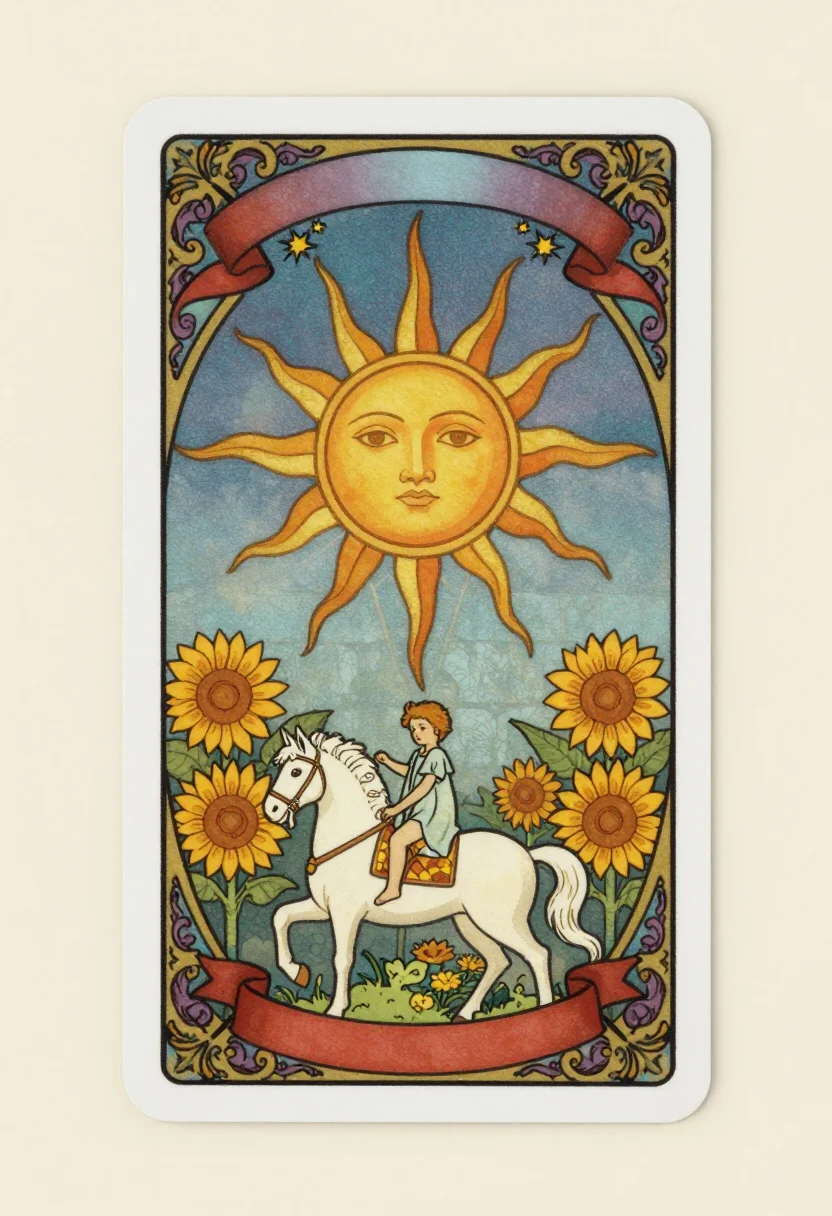
every sample — three subjects, three styles ↓
Grimoire pages render three ways: a herb-correspondence page, a moon-ritual page, and a protection-spell page. Each keeps ruled areas and blank text blocks, with herbs, moons and candles as the drawn elements. Aged parchment, ink and modern minimal carry all three — fill the blank areas in your own hand.
- a book of shadows page
- a witchy altar binder
- a journal or planner insert
- a gift print for a practitioner
- a printable to hand-fill
Frequently asked questions
- What size do these print at?
- Each page is drawn at A3 proportions with an even margin, so it prints clean at A3 or scales down to A4.
- Can I get a different page topic, like a full-moon or protection theme?
- Yes — the direction field takes any grimoire topic, and the same three readings and styles render it.
- What's the difference between the three styles?
- Aged parchment renders the page as worn, textured antique paper; ink keeps a bold single-weight linework page; modern minimal strips the page to clean flat shape and simple color.
- Are the ruled areas and text blocks meant to be filled in?
- Yes — they're left blank by design so you can write your own notes, correspondences or ritual text after printing.
- Do these come as a full spell book?
- Each print is a single standalone page; combine several pages from your own direction requests to build a set.
About toile
This page is a showcase and a starting point: nine samples already rendered, three readings of the pack crossed with three styles, each shown at the size and ratio it was made for. Take any of them further on the wall with a few words, or ask for all nine again under your own direction; a sign-in keeps what you make, and it is free while Toile is new. The recipe behind each sample — the subject, the style, the palette, the framing — travels with the image rather than staying private to the render: it is in the alt text of every sample and in the page's own structured data, so a search engine reads the same handles a person would.