/spelling-lists · classroom
Spelling list templates: weekly list, practice sheet and test sheet
Make your ownSpelling lists
Describe yours. We'll remake the whole pack your way.
More like this
the whole catalog →
every sample — three subjects, three styles ↓
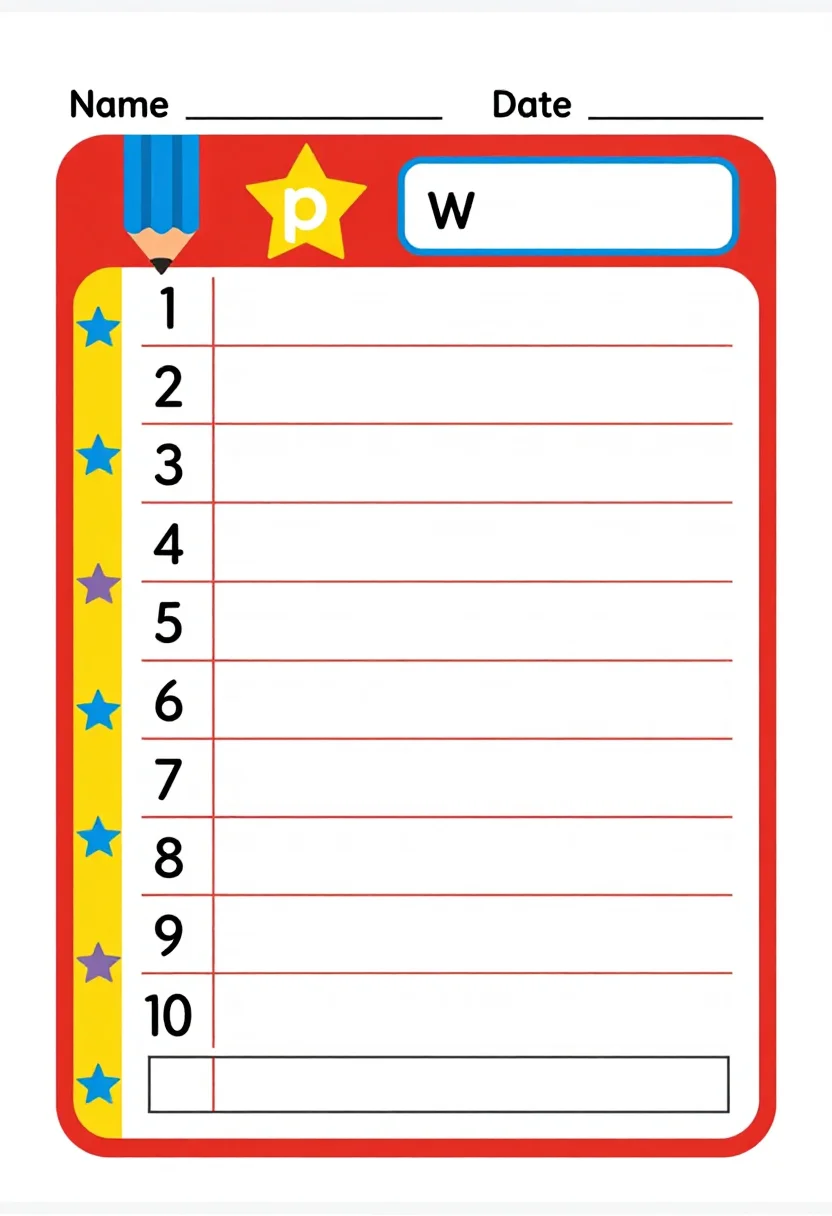
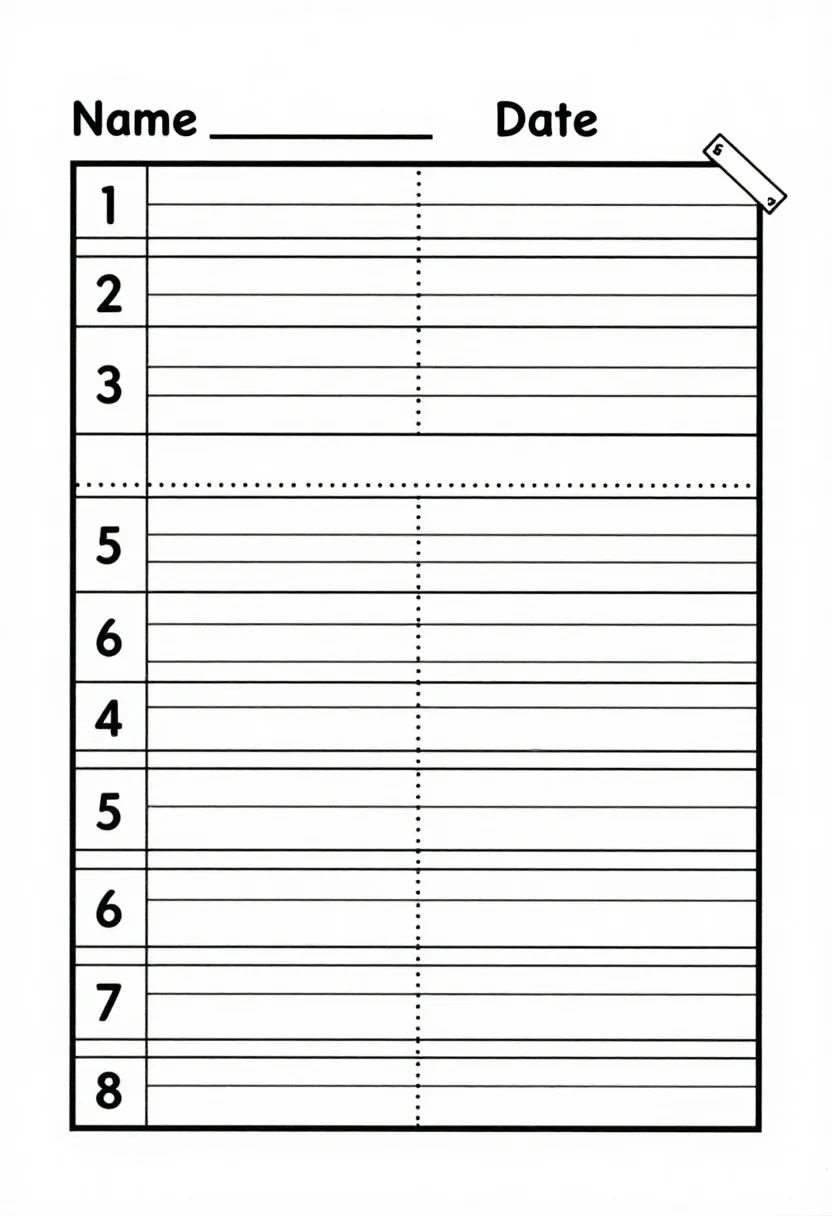
The weekly spelling list goes home every Friday in every primary classroom: a numbered column of blank lines, a title band, a practice grid on the right, and a small theme drawing. These nine cover the three formats a spelling routine actually needs — the list itself, a practice sheet, and a test sheet — each with the words left blank so any week's list drops in. Type a different theme and the drawing redraws.
- a weekly spelling list to send home
- a spelling practice worksheet for morning work
- a Friday spelling test template
- a word-work station activity
- a parent-signature homework sheet
Frequently asked questions
- Are the spelling words already filled in?
- No — the numbered lines and grid cells are blank. You write in this week's word list; the template supplies the layout and illustration.
- What's the difference between the list, practice, and test formats?
- The list is a plain numbered column to send home; the practice sheet adds a grid for writing each word multiple times; the test sheet is formatted for a teacher-dictated quiz.
- Can I match the theme drawing to my classroom topic?
- Yes — ask through the direction field for a different theme and the small illustration redraws.
- How many words does each template hold?
- The numbered column and grid are sized for a typical weekly list of ten to fifteen words.
About toile
This page is a showcase and a starting point: nine samples already rendered, three readings of the pack crossed with three styles, each shown at the size and ratio it was made for. Take any of them further on the wall with a few words, or ask for all nine again under your own direction; a sign-in keeps what you make, and it is free while Toile is new. The recipe behind each sample — the subject, the style, the palette, the framing — travels with the image rather than staying private to the render: it is in the alt text of every sample and in the page's own structured data, so a search engine reads the same handles a person would.