/stencil-numbers · illustration
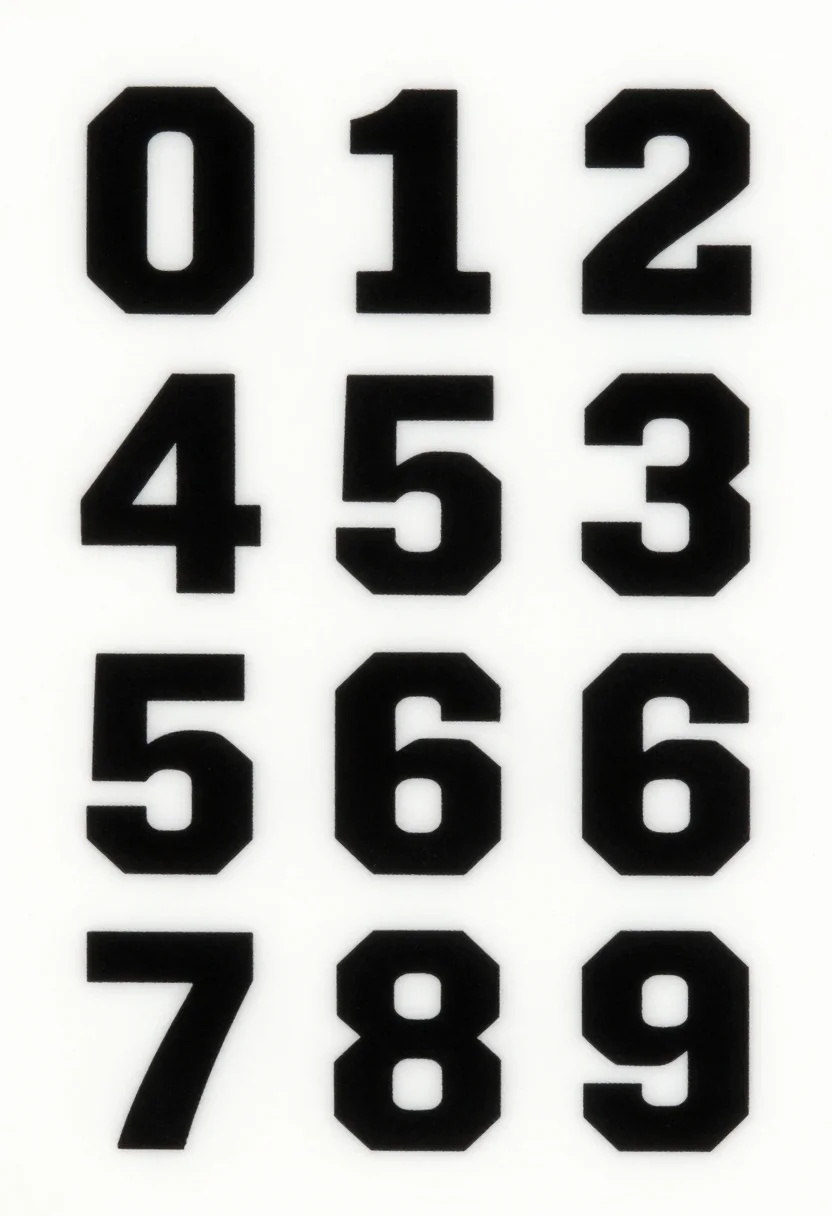
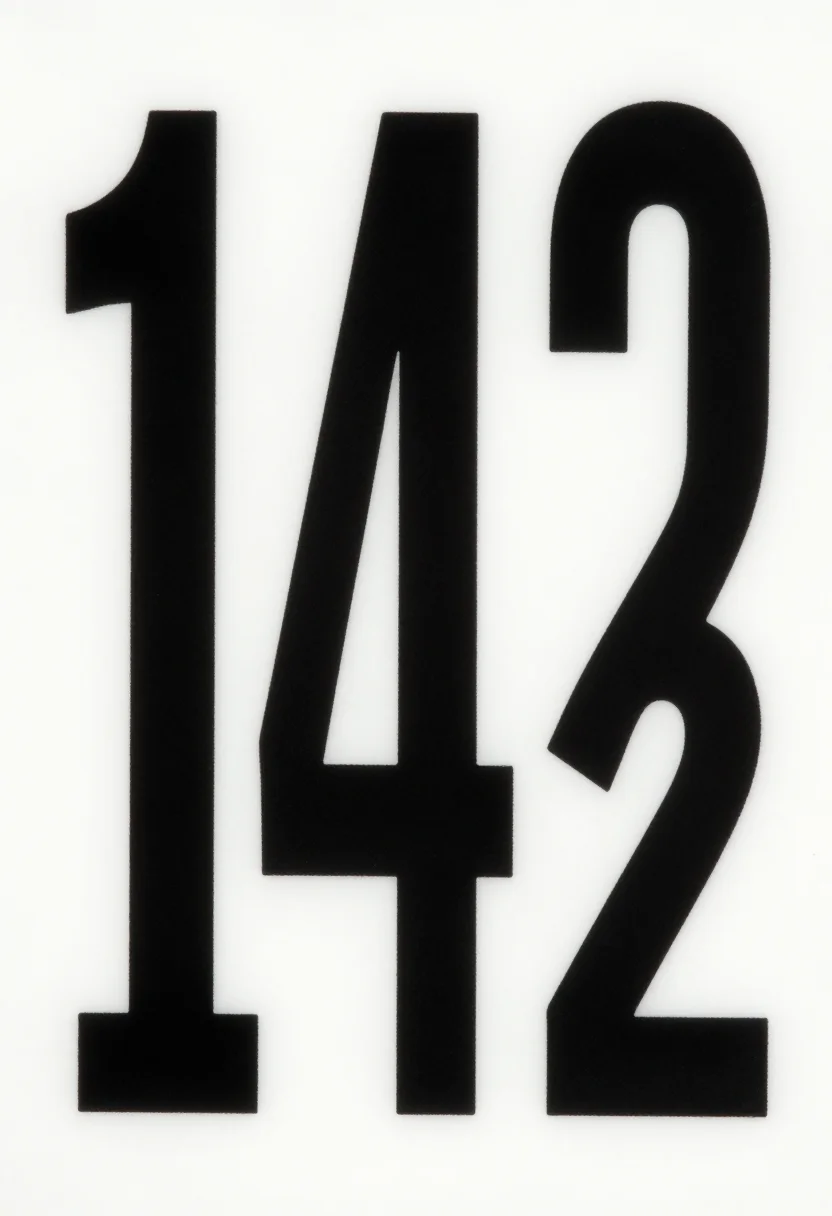
Stencil numbers: digits 0 to 9, one large digit, a house number
Make your ownStencil numbers
Describe yours. We'll remake the whole pack your way.
More like this
the whole catalog →


every sample — three subjects, three styles ↓
Number stencils are printed, cut out and painted through for house numbers, parking spots, crates and sports gear. The nine sheets show the ten stencil digits 0 to 9 in two rows with bridges holding the closed shapes, a single large 8 filling the page, and the house number 142 as one stencil strip. Each comes as a military cut, a rounded cut with wide bridges, or a slim sign-painter cut. Ask for a name, letters or a date.
- a house number on a door or a curb
- a parking spot
- a crate or box number
- a jersey number stencil
Frequently asked questions
- Why are there bridges?
- Closed shapes such as the inside of an 8 or a 0 would fall out once cut. The small bridges hold them in place.
- Is the single digit big enough to cut?
- Yes. The large 8 fills the page and is set for a craft knife.
- What is the difference between the three cuts?
- Military is heavy and squared. Rounded has soft shapes and wide bridges. Slim is tall and thin, with neat bridges.
- Which digits are shown?
- All ten digits, 0 to 9, on the first sheet.
About toile
This page is a showcase and a starting point: nine samples already rendered, three readings of the pack crossed with three styles, each shown at the size and ratio it was made for. Take any of them further on the wall with a few words, or ask for all nine again under your own direction; a sign-in keeps what you make, and it is free while Toile is new. The recipe behind each sample — the subject, the style, the palette, the framing — travels with the image rather than staying private to the render: it is in the alt text of every sample and in the page's own structured data, so a search engine reads the same handles a person would.