/table-numbers · occasions
Table numbers: wedding table card, bold numeral, fold-up tent cards
Make your ownTable numbers
Describe yours. We'll remake the whole pack your way.
More like this
the whole catalog →
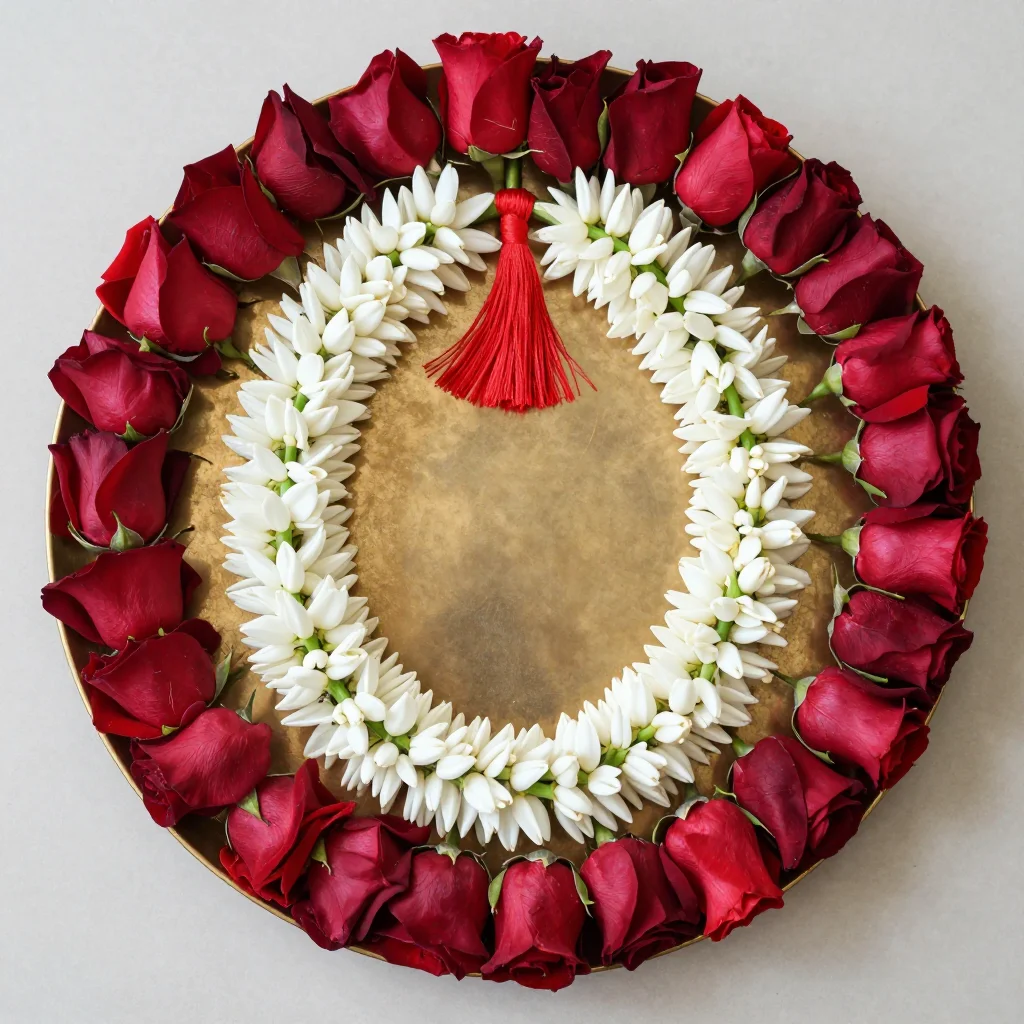
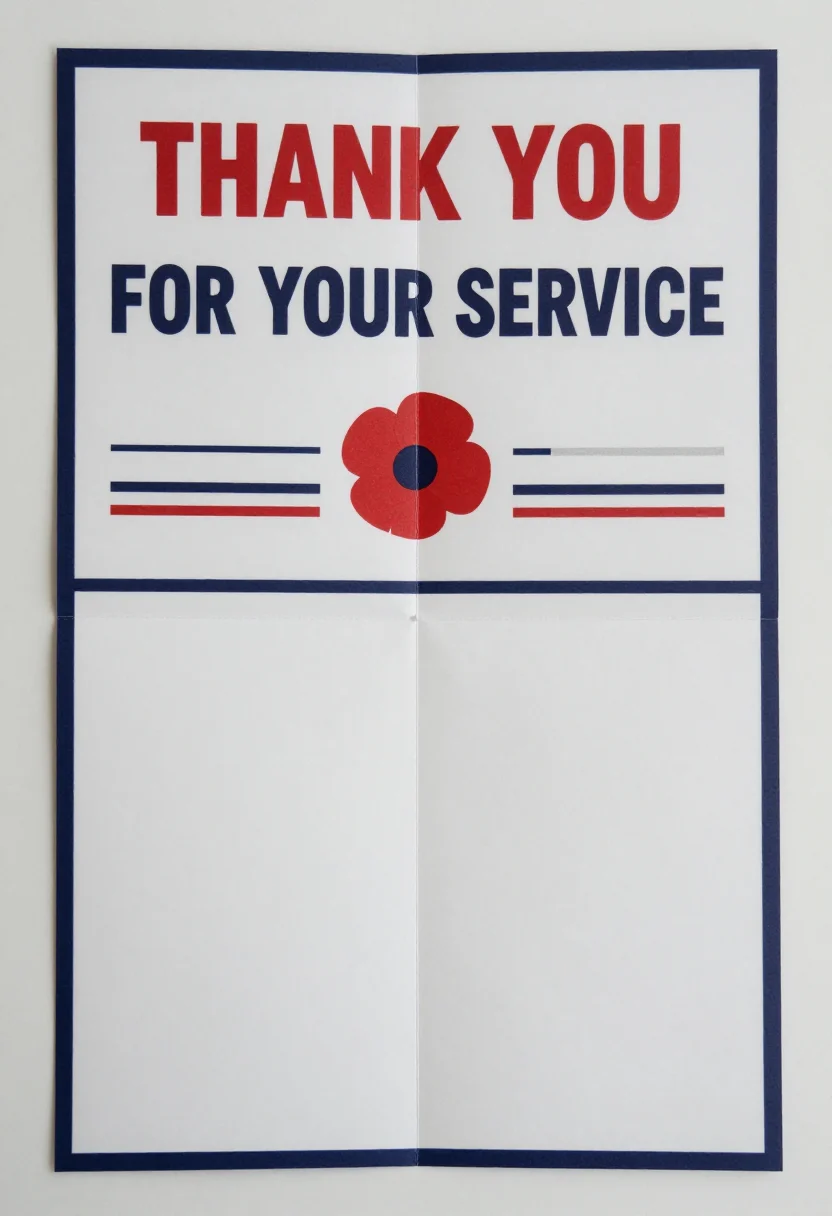
every sample — three subjects, three styles ↓
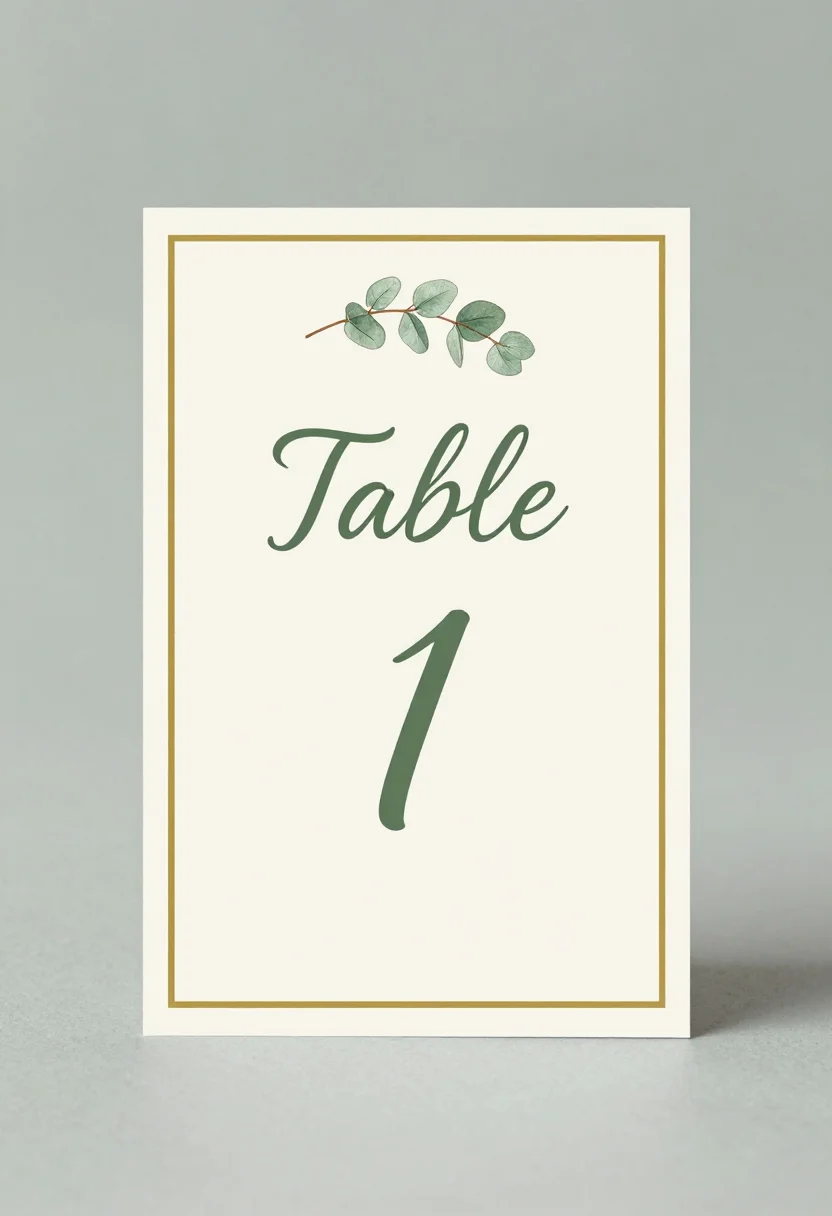
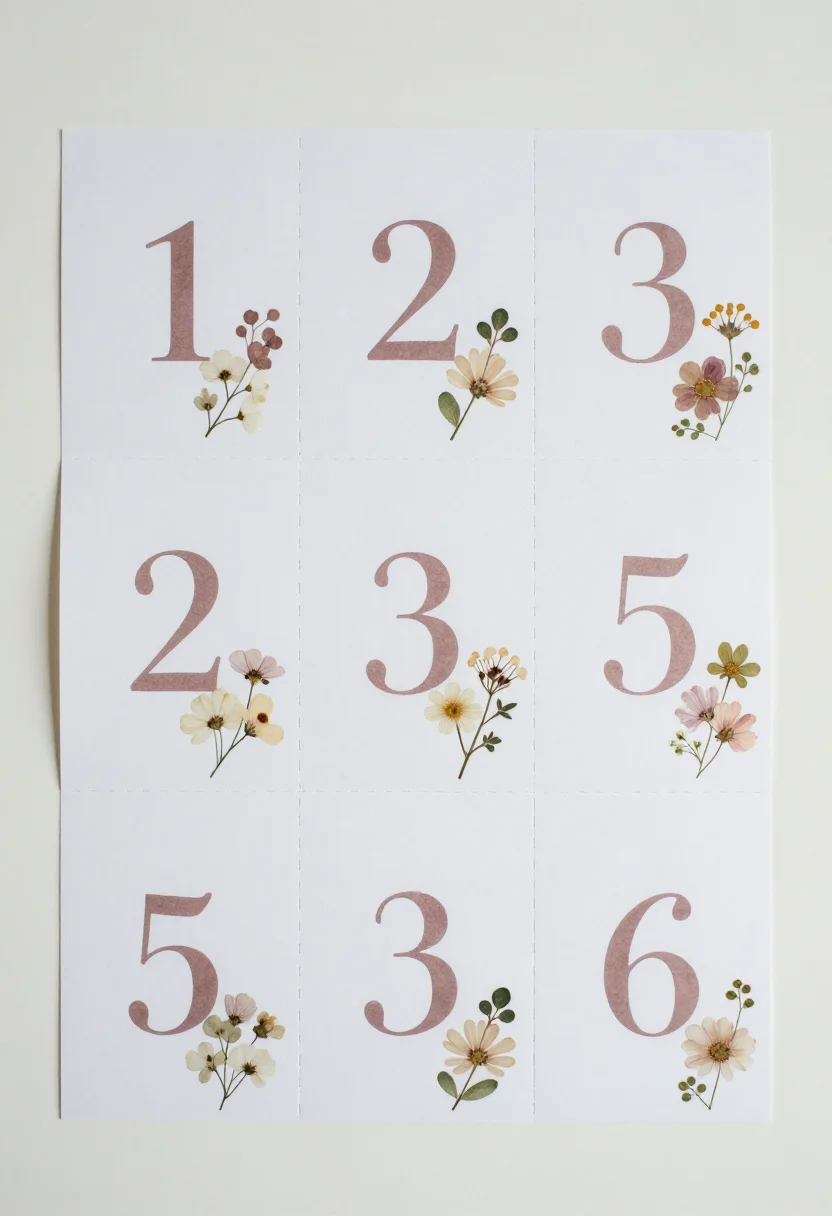
Couples and event hosts print these to set on each table so guests can find their seats. The three sheets are a single wedding table card reading Table 1 in script, a bold numeral card with a very large 5, and a print-and-fold sheet of six numbered tent cards. The nine samples are three sheets in three finishes: eucalyptus, bold modern and dried floral. Type a look, such as navy and gold, and the layout takes it.
- seating at a wedding reception
- a birthday or anniversary dinner
- a school or church hall event with numbered tables
- a set of tent cards for a long table
Frequently asked questions
- How many tables do the sheets cover?
- The wedding card is one table, the bold numeral is one large number, and the tent sheet gives six numbered cards.
- How do I fold the tent cards?
- The tent sheet has a dashed fold line through the middle of each card. Fold along it to make a standing tent.
- What is the difference between the finishes?
- Eucalyptus has fine sprig drawings and a thin gold rule, bold modern is terracotta and cream with black numerals, and dried floral is pressed-flower watercolor.
- Can I type different numbers?
- Yes. Type a request such as numbers 7 to 12 and the layout is drawn with those numbers; a request is not a promised result.
About toile
This page is a showcase and a starting point: nine samples already rendered, three readings of the pack crossed with three styles, each shown at the size and ratio it was made for. Take any of them further on the wall with a few words, or ask for all nine again under your own direction; a sign-in keeps what you make, and it is free while Toile is new. The recipe behind each sample — the subject, the style, the palette, the framing — travels with the image rather than staying private to the render: it is in the alt text of every sample and in the page's own structured data, so a search engine reads the same handles a person would.