/tangle-tiles · coloring
Tangle tiles: finished tile, step-out sheet, blank string tile
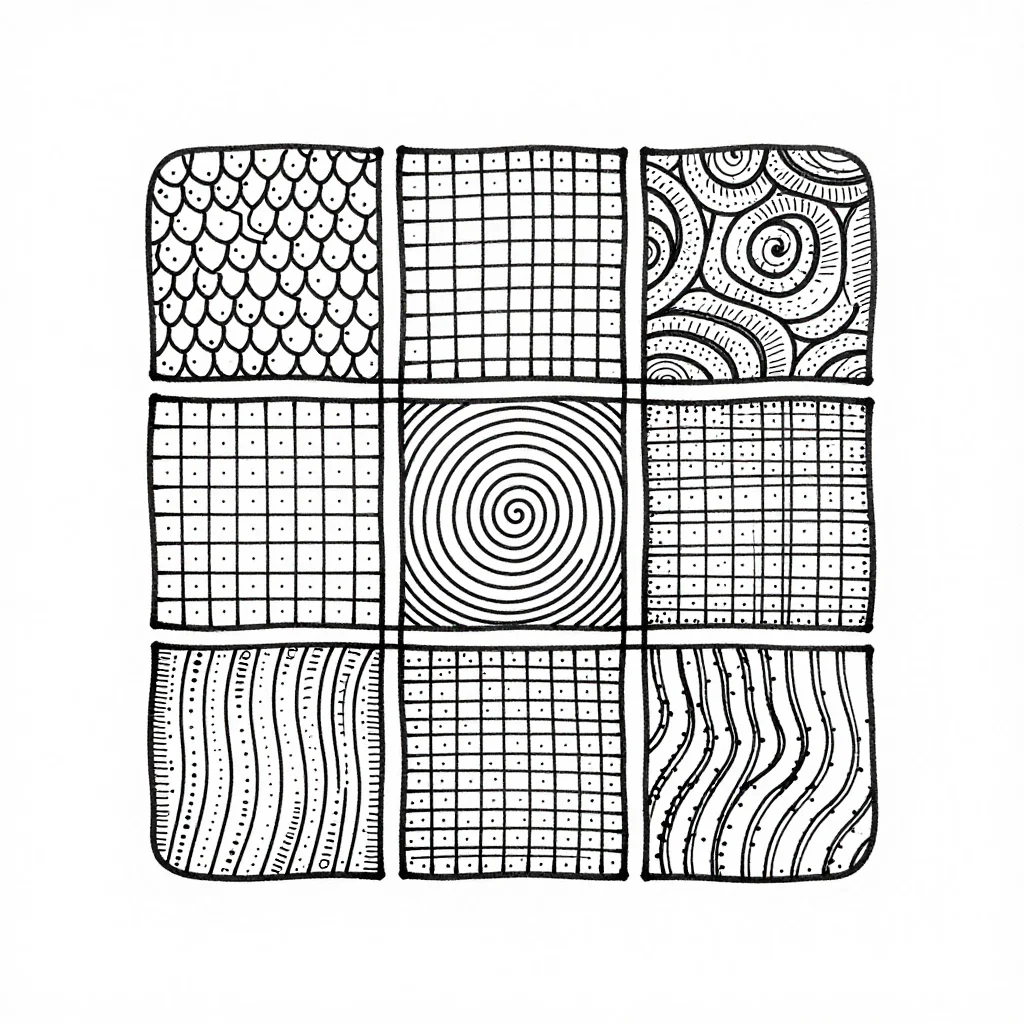
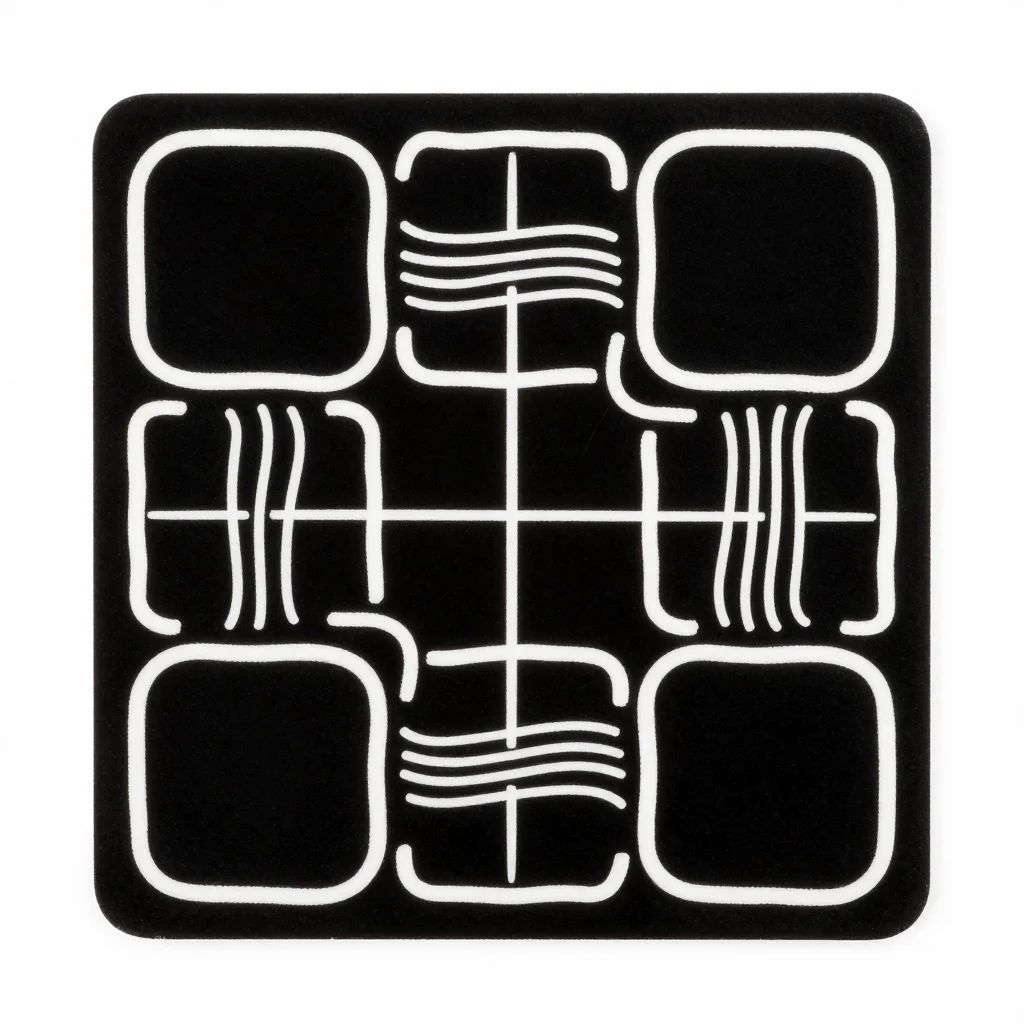
Make your ownTangle tiles
Describe yours. We'll remake the whole pack your way.
More like this
the whole catalog →
every sample — three subjects, three styles ↓
Tangle tiles are small square tiles filled with repeated pen patterns, drawn one stroke at a time as a calm practice. The nine pages show a finished tile, a step-out sheet that builds one pattern across six boxes, and a blank tile divided by a string line, ready to fill. Each comes in fine pen, shaded with dots and hatching, or as white gel on black. For another shape or pattern count, type it in the direction box.
- A daily drawing practice
- A pattern guide for a sketchbook
- A calm activity for a classroom
- A tile to fill for a card
Frequently asked questions
- What pen do I need?
- A fine black pen suits the fine pen style. The black ground style needs a white gel pen, since its lines are white on a black tile.
- How does the step-out sheet help?
- It shows one pattern in six boxes, each adding one more stroke, so the order of the strokes is visible.
- Can I ask for a different tile shape?
- Yes. Type the shape in the direction box, such as a round tile or a bookmark. A typed shape is a request, so the result may differ from the samples.
About toile
This page is a showcase and a starting point: nine samples already rendered, three readings of the pack crossed with three styles, each shown at the size and ratio it was made for. Take any of them further on the wall with a few words, or ask for all nine again under your own direction; a sign-in keeps what you make, and it is free while Toile is new. The recipe behind each sample — the subject, the style, the palette, the framing — travels with the image rather than staying private to the render: it is in the alt text of every sample and in the page's own structured data, so a search engine reads the same handles a person would.